
You are hosting a wonderful summer barbecue in your backyard, the sun is shining, and you have just laid out a beautiful spread of fresh food. Suddenly, an uninvited guest arrives. A single house fly begins buzzing around your potato salad, and before you know it, a whole swarm has joined the party. You swat them away, feeling frustrated, when you feel a sudden, sharp pinch on your arm. You look down, swat the culprit, and a surprising thought crosses your mind. Can house flies bite?
If you are currently wondering, “Can house flies bite?” and seeking a safe way to reclaim your space, this comprehensive guide has you completely covered. House flies are not just a minor nuisance; they are persistent invaders that can quickly turn a comfortable home into a stressful environment. In fact, health organizations like the CDC and WHO note that house flies infest nearly 90% of homes seasonally, posing a host of hygiene concerns.
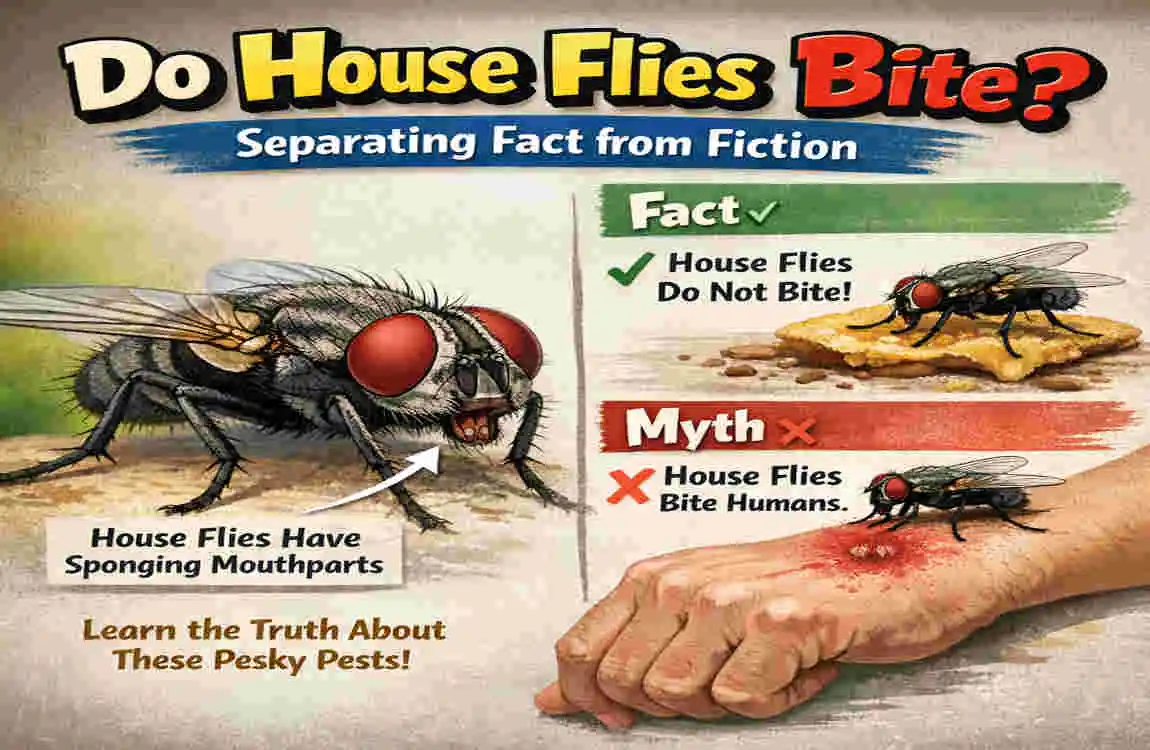
Do House Flies Bite? Separating Fact from Fiction
When it comes to the buzzing pests in our homes, there is a lot of misinformation floating around. Let’s break down the biology of the common house fly and find out what they are truly capable of doing when they land on your skin.
Common Myths About House Flies Biting
There is a very common myth that flies only land on you to rest and that they are physically incapable of biting. For the standard house fly, scientifically known as Musca domestica, this is mostly true regarding their anatomy. Unlike mosquitoes or horse flies, the common house fly does not have piercing mouthparts designed to suck blood.
Instead, they have sponging mouthparts. They essentially spit special enzymes onto their food to dissolve it into a liquid, and then they use their sponge-like mouths to lap it up. Because of this specific biological makeup, many people assume you are completely safe from any physical pain when a house fly lands on you. However, nature is rarely that simple.
The Truth: Can House Flies Bite Humans?
So, can house flies bite humans? The answer is: rarely, but yes, it can happen. While they do not “bite” in the traditional sense of piercing the skin to draw blood, their rough proboscis (their feeding tube) can scrape and nibble at your skin. If your skin is already irritated, sweaty, or has a tiny open scratch, a house fly trying to feed on the salt and moisture of your skin can cause a sharp, pinching sensation that feels exactly like a bite.
Furthermore, people often confuse the common house fly with its aggressive cousin, the stable fly. Stable flies look almost identical to house flies to the untrained eye, but they possess sharp, biting mouthparts that absolutely will pierce human skin. If you are experiencing painful bites indoors, a stable fly might have slipped through your window.
House Fly Bites Symptoms and Risks
If you do experience a nibble from a house fly or a bite from a lookalike stable fly, you need to know the house fly bite symptoms. Typically, you will feel immediate itching and notice mild swelling or a raised red welt in the affected area.
However, the real danger of a house fly is not the bite itself—it is what they carry. House flies are notorious disease carriers. A single house fly can carry up to 6 million bacteria on its tiny feet and body. Because they frequently land on garbage, animal waste, and decaying matter before landing on your kitchen counters, they can easily transmit harmful pathogens like Salmonella and E. coli. This makes understanding home remedies for house flies not just a matter of comfort, but a crucial part of your family’s health and safety.
Why House Flies Invade Your Home (And Why It Matters)
Before we can effectively banish these pests, you have to understand exactly why they are choosing your home in the first place. House flies do not just wander indoors by accident; they are actively drawn to specific environmental triggers.
What Attracts House Flies?
- Accessible Food Waste: Overripe fruits on the counter, unsealed pantry items, and crumbs left on the dining table are massive beacons for flies.
- Excess Moisture: Leaky faucets, damp dish sponges, and standing water in your houseplants provide the perfect drinking fountains for thirsty flies.
- Garbage and Pet Waste: The strong odors of fermenting trash and untreated pet waste in the yard or litter box are irresistible breeding grounds.
The Hidden Health Hazards Beyond the annoyance and the rare chance of a bite, house flies matter because they are silent spreaders of filth. According to environmental protection guidelines, house flies can spread over 100 different pathogens. Every single time a fly lands on your kitchen island, it leaves behind microscopic traces of whatever it was walking on previously.
If you start noticing signs of a house fly infestation in your kitchen—such as tiny dark specks (fly droppings) on your walls, or worse, maggots in your trash can—it is time to take immediate action.
Now that we know exactly if house flies bite and why they invade, let’s banish them with natural cleaning tips. You do not need harsh, eye-watering chemical sprays to get the job done.
7 Natural Cleaning Tips to Get Rid of House Flies
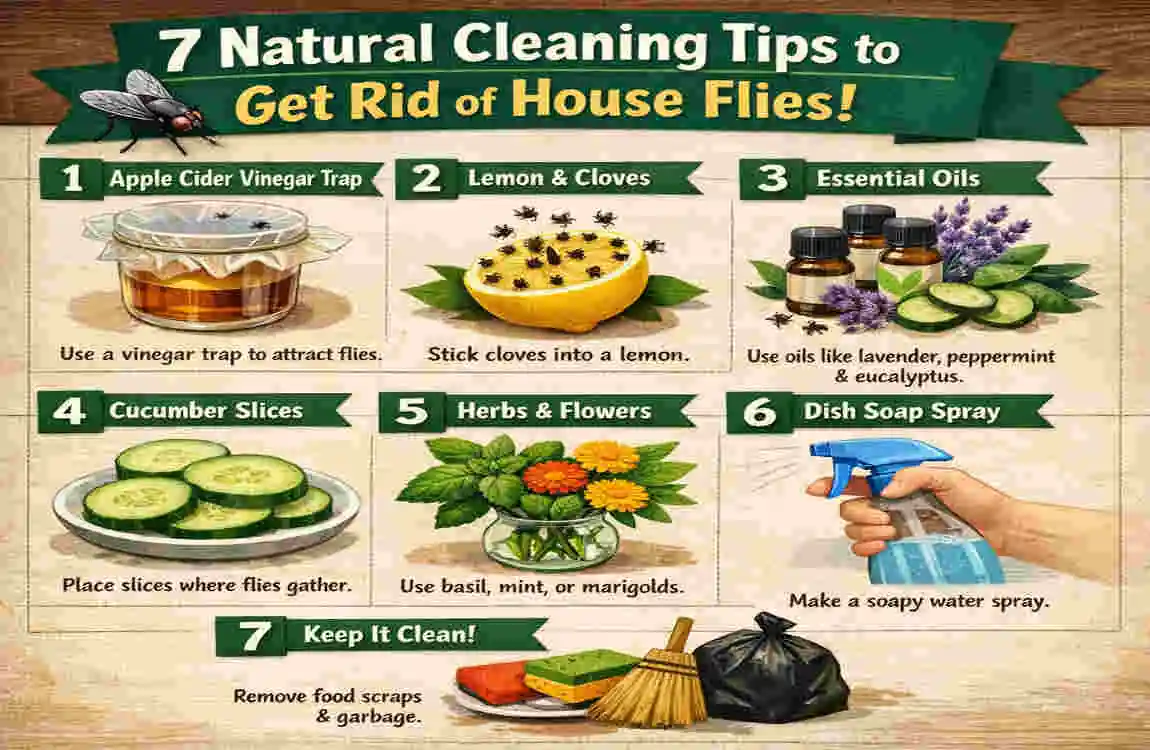
If you are tired of swatting and ready to take back your space, you are in the right place. Here are seven highly effective, totally natural ways to get rid of house flies. We will walk you through exactly how to use these everyday household items to create a fortress against flying pests.
Vinegar Traps: Lure and Drown Flies Instantly
The Problem It Solves: You have flies actively flying around your kitchen, specifically targeting your fruit bowls and trash cans, and you need to eliminate them immediately.
Step-by-Step How-To:
- Grab a small mason jar or a shallow bowl.
- Fill it halfway with raw, unfiltered apple cider vinegar.
- Add a generous few drops of liquid dish soap into the vinegar.
- Do not stir it too vigorously; just let the soap spread across the top.
- Place the jar right next to your fruit bowl or near the kitchen sink.
Why It Works (The Science): House flies have an incredibly strong sense of smell, and they are highly attracted to the sweet, fermenting scent of apple cider vinegar. They fly into the jar expecting a sugary meal. However, the dish soap is the secret weapon here. It breaks the surface tension of the liquid. Instead of landing safely on top to drink, the flies immediately sink and drown.
Essential Oil Sprays: Natural Fly Repellent Cleaners
The Problem It Solves: Flies are landing on your clean countertops and dining tables, and you want to wipe down these surfaces while simultaneously repelling pests.
Step-by-Step How-To:
- Get a clean, empty glass spray bottle.
- Add one cup of distilled water and one cup of witch hazel (or rubbing alcohol).
- Add 20 drops of peppermint essential oil and 20 drops of eucalyptus essential oil.
- Shake the bottle well to combine the ingredients.
- Spray this mixture directly onto your kitchen counters, windowsills, and dining tables, then wipe it clean with a microfiber cloth.
Why It Works (The Science): While humans love the fresh, clean scent of peppermint and eucalyptus, house flies absolutely despise it. Studies show that strong essential oil scents overwhelm a fly’s delicate olfactory receptors (their sense of smell). It disorients them and forces them to flee the area.
Herbal Sachets: Long-Term Fly Deterrent Pouches
The Problem It Solves: You want a passive, long-term solution to keep flies from entering through open windows and doorways without having to actively spray or clean.
Step-by-Step How-To:
- Purchase or make a few small, breathable cotton or organza drawstring bags.
- Fill the bags with dried, strongly scented herbs. The best options are dried lavender buds, crushed mint leaves, sweet basil, and bay leaves.
- Tie the bags securely closed.
- Hang these herbal sachets from your window latches, place them on your window sills, or hang them near your front and back doors.
Why It Works (The Science): Just like essential oils, the natural oils trapped inside these dried herbs slowly release into the air over time. Flies rely heavily on scent to navigate and find food. When they approach an entryway guarded by a wall of herbal scents, their instincts tell them to turn back.
Diatomaceous Earth Dusting: Dehydrates Flies Naturally
The Problem It Solves: Flies are sneaking in through tiny cracks around your floorboards, doorways, and garbage storage areas, and you need a barrier that kills them upon contact.
Step-by-Step How-To:
- Purchase a bag of Food-Grade Diatomaceous Earth (DE). It must be food-grade so it is safe for your pets and children.
- Clean and dry the areas where you notice flies congregating (like the bottom of the trash can or the threshold of the back door).
- Using a small duster or a spoon, lightly sprinkle a very thin, barely visible layer of DE dust along these entry points.
- Leave the dust undisturbed.
Why It Works (The Science): Diatomaceous Earth is made from the fossilized remains of microscopic aquatic organisms called diatoms. To us, it feels like soft baby powder. But on a microscopic level, DE is incredibly sharp. When a fly lands on or walks through the dust, it cuts through their protective waxy exoskeleton. This causes the fly to rapidly lose moisture and dehydrate naturally.
Citrus Peels and Lemon Cleansers: Fresh-Smelling Fly Banisher
The Problem It Solves: You want an incredibly cheap, zero-waste solution to keep flies away from your kitchen sink and garbage disposal areas.
Step-by-Step How-To:
- Do not throw away your orange, lemon, or grapefruit peels after eating them!
- Take fresh citrus peels and rub the fleshy inside directly along your window frames and door thresholds.
- Alternatively, boil a pot of water, add several handfuls of lemon peels and a tablespoon of whole cloves. Let it simmer for 20 minutes.
- Once cooled, strain the liquid into a spray bottle and use it as a fresh-smelling room spray.
Why It Works (The Science): Citrus fruits contain a compound called d-limonene, which is a natural insecticide and repellent. When combined with the strong, spicy scent of cloves, it creates a hostile environment for the respiratory systems of flies and other insects.
Apple Cider Rinse for Drains: Stops Breeding Grounds
The Problem It Solves: You have tiny fruit flies or drain flies emerging directly from your kitchen or bathroom sinks, making you feel like your plumbing is dirty.
Step-by-Step How-To:
- Boil a kettle of water.
- Pour the boiling water directly down the affected drain to loosen any organic buildup and grease.
- Follow it immediately with 1 cup of baking soda, then pour 1 cup of raw apple cider vinegar down the drain.
- Let the mixture fizz and work its magic for about 15 minutes.
- Flush the drain with another pot of boiling water.
Why It Works (The Science): Flies love to lay their eggs in the dark, damp, and slimy organic matter that builds up inside your pipes. The baking soda and vinegar combination creates an abrasive chemical reaction that scrubs the pipes clean, destroying any eggs or larvae hidden inside.
Screen and Seal Audit: Prevent Re-Infestation
The Problem It Solves: You clean perfectly, but flies keep getting inside. You need to physically block their entry points to ensure long-term peace of mind.
Step-by-Step How-To:
- Wait for a bright, sunny day. Turn off the lights inside your house and look at your doors and windows from the inside. If you see daylight peeking through the edges, a fly can get in.
- Inspect every single window screen for small tears or holes.
- Use a simple silicone caulk gun to seal up cracks around window frames and baseboards.
- Purchase cheap adhesive screen-repair tape to patch up any holes in your window mesh.
Why It Works (The Science): The most effective pest control is exclusion. If a fly cannot physically enter your home, you will never have to worry about answering the question “can house flies bite” ever again.
Pro Tip: Pay special attention to the weatherstripping at the bottom of your front and back doors. Replacing worn-out weatherstripping is incredibly cheap, takes five minutes, and drastically reduces insect entry.
Supporting Prevention Strategies for a Fly-Free Home
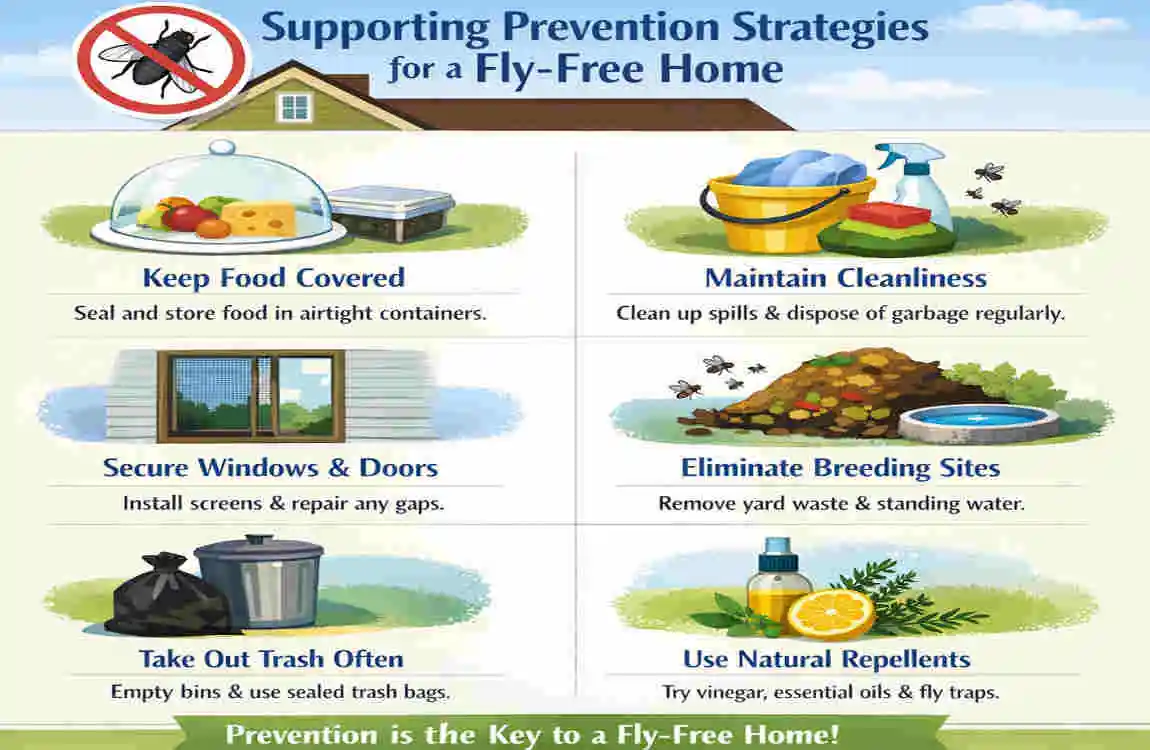
Using our seven natural cleaning tips is the best way to handle an active fly issue. However, maintaining a fly-free home requires consistent, ongoing effort. The secret to long-term success lies in adopting a few simple lifestyle habits that make your house unappealing to pests.
Your Weekly Deep Clean Routine: Incorporate these habits into your weekly cleaning schedule to guarantee flies stay far away:
- Empty bins daily: Never let organic food waste sit in your kitchen trash can overnight.
- Wipe up spills immediately: Even a tiny drop of spilled juice on the floor is a feast for a housefly.
- Manage pet areas: If you have dogs or cats, clean litter boxes daily and pick up yard waste frequently.
- Store food properly: Keep all pantry items in airtight glass or plastic containers. Never leave fully ripe fruit exposed on the counter.
Seasonal Adaptations for Humidity: Depending on where you live, you might notice massive surges in fly populations during specific times of the year. For instance, areas that experience heavy summer humidity or intense monsoon seasons (such as the monsoon surges in Punjab) create the perfect breeding ground for flies. During these highly humid months, you must be extra vigilant. Run a dehumidifier indoors and ensure there is no standing water in your yard.
When to Call the Professionals: Natural remedies are incredibly effective for mild to moderate fly issues. However, if you are experiencing a severe infestation—where hundreds of flies are appearing daily despite your best cleaning efforts—you might have a dead animal in your walls or a broken sewage pipe. At this point, it is safest to call in professional pest control experts.
Natural vs. Chemical Fly Control Methods
To help you understand why we strongly advocate for natural remedies, check out this quick comparison table:
Method Type Effectiveness Cost Safety Level
Natural Tips (Vinegar, Oils) High (Takes slightly longer to act) Very Low (Uses household items) Very High (Safe for kids and pets)
Chemical Bug Sprays Very High (Instant kill) Moderate to High Low (Contains toxic fumes and poisons)
Physical Barriers (Screens) Excellent (Prevents entry completely) Moderate (One-time investment) Maximum (Zero health risk)
Frequently Asked Questions
Can house flies bite humans? While common house flies (Musca domestica) do not have piercing mouthparts, they can use their rough feeding tubes to scrape and nibble at irritated or sweaty skin, causing a pinching sensation. Additionally, they are frequently confused with stable flies, which look identical and absolutely do bite humans to draw blood.
What do house fly bites look like? If a house fly nibbles you, or a stable fly bites you, it typically looks like a small, raised red welt. You will likely experience immediate, mild to moderate itching and minor swelling around the affected area. Always wash the area with soap and water to prevent bacterial infection.
Are natural cleaning tips effective against house flies? Yes, natural cleaning tips are highly effective. Methods like essential oil sprays overwhelm the flies’ sensitive scent receptors, while vinegar traps use their natural attraction to fermenting odors against them. Consistent natural cleaning removes their food sources, forcing them to leave.
How long do natural remedies last? The lifespan of natural remedies varies. Vinegar traps should be emptied and refilled every three to four days for maximum potency. Essential oil sprays should be used daily as a surface wipe. Herbal sachets can last for several weeks; just give them a gentle squeeze occasionally to release fresh oils.