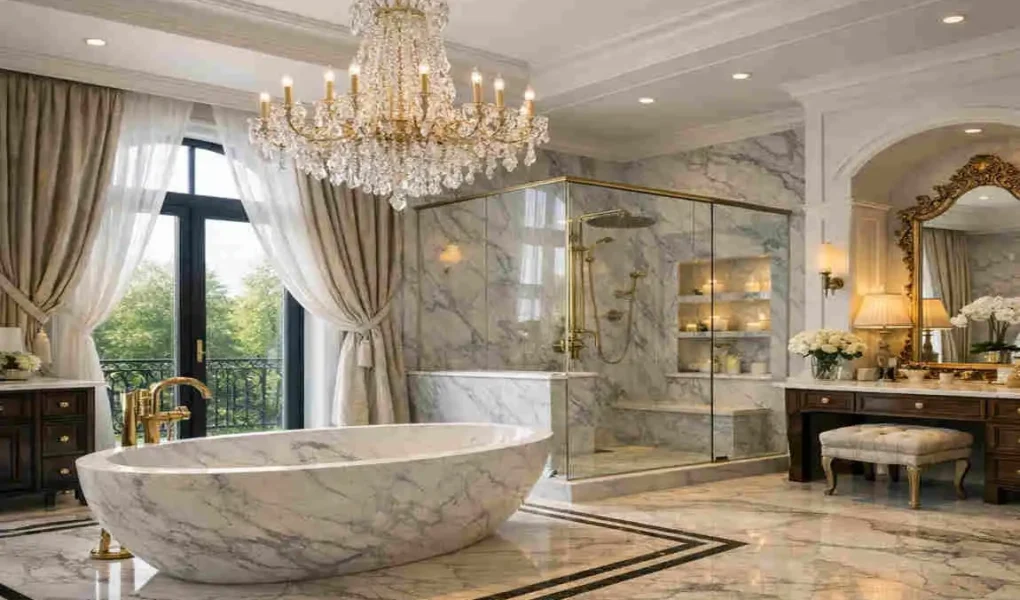
Today, a bathroom is no longer just a practical room. In 2026, homeowners want more than a sink, toilet, and shower. They want comfort. They want beauty. They want a space that supports wellness, adds value to the home, and still looks elegant years from now.
That is why luxury bathroom design has become one of the most meaningful upgrades in modern homes. It combines timeless style with everyday ease. It also supports better living. You use this room every single day, so every finish, layout choice, and fixture matters more than you may think.
There is also a strong financial reason to invest here. Recent housing market reports suggest that upscale bathroom renovations can return 60% to 70% of their cost, depending on the market, layout, and quality of materials. So while this kind of project is about beauty, it is also about smart planning.
Why Luxury Bathroom Design Matters in 2026
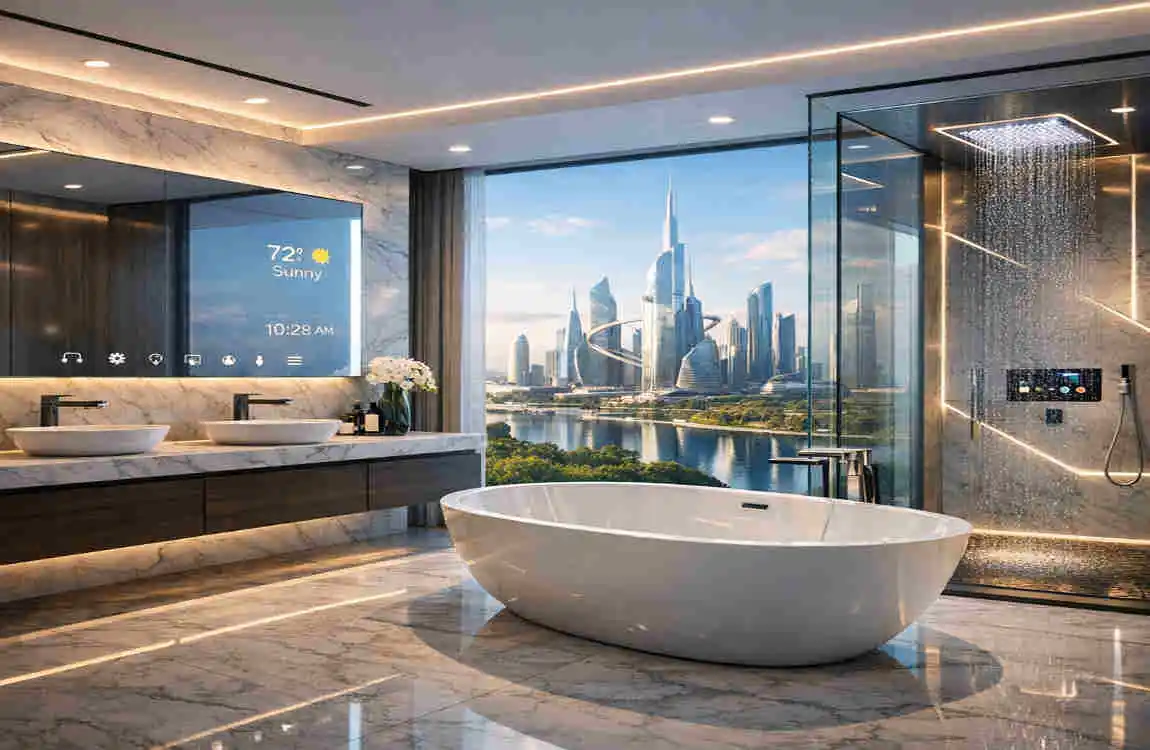
The role of the bathroom has changed. People now see it as a place to reset, not just a place to get ready. That shift started years ago, but in 2026 it has become a major design priority.
A well-planned luxury bathroom design supports both your routine and your well-being. It can help you slow down in the morning and recharge at night. Heated floors, better lighting, natural materials, and improved storage are not just “extras.” They improve how the room feels and how you move through it every day.
There is also the lifestyle factor. Homeowners are paying more attention to personal comfort. They want spaces that reflect their taste. They want rooms that feel custom, not copied. This is why personalization matters so much in luxury bathroom design today. The best bathrooms do not just look expensive; they are. They feel deeply connected to the people who use them.
From an investment perspective, luxury bathrooms remain one of the strongest upgrade categories in residential design. Buyers respond to spa-like bathrooms because they see them as both practical and aspirational. A dated bathroom can drag down a beautiful home. A polished one can elevate the whole property.
Key Benefits of Luxury Bathroom Design
- Better wellness: A calm and comfortable bathroom supports stress relief and relaxation.
- Higher property appeal: Premium bathrooms often improve resale value and buyer interest.
- Daily enjoyment: You use this room constantly, so thoughtful design pays off every day.
- Timeless style: When done well, luxury feels elegant for years, not just one season.
- Personalization: The room can be tailored to your habits, storage needs, and design preferences.
Luxury vs. Standard Bathroom ROI Comparison
FeatureStandard Bathroom UpgradeLuxury Bathroom UpgradePotential Value Added
Vanity Basic prefab unit Custom vanity with stone top Moderate to high
Shower Standard enclosure Frameless glass walk-in shower with body jets High
Tub Built-in tub Freestanding soaking tub High
Flooring Ceramic tile Large-format porcelain, stone, or heated floors Moderate to high
Lighting Single ceiling fixture Layered ambient, task, and accent lighting High
Overall buyer appeal Functional Emotional and aspirational Much higher
A beautiful bathroom does more than impress guests. It changes how your home feels to you. That is why luxury bathroom design benefits go well beyond appearance.
Core Principles of Timeless Luxury Bathroom Design
Trends come and go, but some design principles always hold up. If you want timeless bathroom elegance, you need a foundation that can outlast trend cycles. The most successful luxury bathroom design projects are built on restraint, quality, and smart planning.
Balance Form and Function
A luxury bathroom should look beautiful, but it should also work smoothly. Good design starts with flow. Can you move comfortably from the vanity to the shower? Does the tub have enough breathing room around it? Is storage close to where you actually need it?
This is where balance matters.
Symmetry often creates a sense of calm. Double vanities, centered mirrors, matching sconces, and aligned finishes all help the room feel ordered. But symmetry should not become rigid. You still need a layout that suits real life.
Multi-use zones are especially important in modern homes. One person may want a makeup station, while another wants more sink space. One family may need linen storage, while another wants an open, minimal look. Great luxury bathroom design solves these needs without making the space feel crowded.
A room that is hard to use will never feel truly luxurious, no matter how expensive it looks.
Prioritize Natural Harmony
If you want your bathroom to feel calming, bring nature into the design. This is one of the strongest directions in luxury bathroom trends for 2026 and also supports timelessness.
Natural harmony can come from many places:
- Stone with soft veining
- Wood accents with warm grain
- Plant life near windows or vanities
- Soft daylight
- Water-inspired textures and tones
Biophilic design is the practice of designing in ways that connect people to nature. In a bathroom, this works beautifully. A vase of fresh greenery, a warm oak vanity, or a stone basin can make the room feel grounded and peaceful.
You do not need a tropical indoor garden to get this effect. Even subtle choices matter. A muted palette, raw textures, and honest materials can transform the atmosphere.
Natural harmony also helps a bathroom age well. Trendy colors can feel dated quickly. Stone, wood, daylight, and greenery rarely do.
Invest in Quality Over Quantity
Luxury is not about filling a room with expensive things. It is about choosing the right things and choosing them well.
A single showpiece tub can do more for a bathroom than five decorative accessories. A beautifully made vanity can elevate the entire room. Solid brass hardware, durable stone, and quality lighting will hold up longer and look better over time.
This is the heart of lasting luxury bathroom design. Buy fewer pieces, but make them count.
5 Timeless Principles Checklist
Before you commit to any design, ask yourself these questions:
- Does the layout support real daily use?
- Do the materials feel natural, durable, and refined?
- Will this look still feel elegant in five to ten years?
- Have I created enough storage to keep surfaces calm and clean?
- Are the statement pieces strong enough to carry the room without clutter?
If you can say yes to all five, you are on the right track.
Top Luxury Bathroom Design Trends for 2026
The best luxury bathroom trends 2026 are bringing forward a feel that’s fresh, but not flashy. They focus on warmth, calm, texture, and hidden innovation. Below are the trends shaping modern luxury right now.
Organic Materials and Textures
One of the biggest shifts in luxury bathroom design is the move toward organic finishes. People want rooms that feel less cold and polished in an artificial way. They want softness, depth, and visual warmth.
This is why materials like marble, quartzite, limestone, travertine, oak, walnut, and textured plaster are gaining attention. They bring a sense of age and authenticity. They also make the room feel more rooted and less generic.
Calacatta Gold marble remains a favorite because of its dramatic veining and rich tone. Quartzite is also popular because it offers natural beauty with more durability in many applications. Reclaimed wood or wood-look materials add warmth without sacrificing elegance.
Texture matters as much as material. Fluted vanities, ribbed glass, brushed metal, honed stone, and handmade-look tiles create depth without needing bold color.
This trend works because it appeals to the senses. You do not just see the beauty. You feel it.
If you want luxury bathroom design ideas for modern homes, start by mixing smooth and textured surfaces. Pair polished stone with matte wood. Combine clean walls with a hand-finished vanity. Use natural contrast to make the room feel layered and expensive.
Sculptural Fixtures and Hardware
Fixtures are no longer background details. In 2026, they are becoming focal points.
Sculptural faucets, curved tub fillers, oversized rain heads, and custom handles can give a bathroom a signature look. These pieces act like jewelry for the room. They add personality without overwhelming the space.
Warm metallics remain strong, especially brushed brass, champagne bronze, and aged nickel. Matte black still has its place, particularly in more modern or architectural interiors. We are also seeing interest in mixed-metal combinations, as long as they are used thoughtfully.
Some homeowners are even exploring custom or semi-custom hardware, including 3D-printed pulls and unique stone or leather-wrapped handles. These details can make a vanity or cabinet feel truly bespoke.
The key is restraint. One strong finish used consistently will usually feel more elegant than three competing finishes.
In high-end bathroom ideas, sculptural fixtures do not shout. They quietly elevate the whole room.
Spa-Inspired Wellness Zones
This is one of the most important directions in luxury bathroom design today. People want bathrooms that support wellness in a real, practical way.
A spa-inspired bathroom may include:
- A steam shower
- Body jets or rainfall shower systems
- Aromatherapy integration
- Heated floors
- Towel warmers
- Deep soaking tubs
- Chromotherapy or mood lighting
- Quiet ventilation
- Built-in seating
These features make daily routines feel less rushed and more restorative. Even small additions can change the room’s experience. A bench in the shower, warm flooring in winter, or a dimmable light near the tub can make a bathroom feel completely different.
Smart technology often supports these wellness upgrades, but the best designs keep the tech hidden. You should feel the comfort without seeing too much gadgetry.
This trend also reflects a larger truth: luxury is becoming more personal. It is no longer just about appearance. It is about how the room helps you feel.
A successful wellness zone is not crowded with features. It is carefully edited. Think calm, clean, and deeply usable.
Earthy, Muted Palettes with Jewel Accents
Color in luxury bathroom trends 2026 is moving away from harsh contrast and all-white flatness. Homeowners still want light and serenity, but they also want warmth and character.
That is why earthy tones are taking center stage. Popular colors include:
- Sage green
- Soft taupe
- Clay and terracotta
- Warm beige
- Mushroom gray
- Dusty olive
- Sand and oat tones
These shades create a soft backdrop that feels grounded and elegant. They work beautifully with stone, wood, and warm metals.
To keep the palette from feeling too quiet, designers are adding jewel-toned accents. Deep sapphire, emerald, aubergine, and burgundy can appear through art, tile details, decorative glass, or upholstery on a vanity stool.
The goal is not a loud color story. It is a rich one.
If you want timeless bathroom elegance, build your palette around soft natural tones first. Then bring in deeper color in small, strategic ways.
Invisible Integration: Smart Hidden Tech
Technology is still shaping luxury bathroom design, but the trend is moving toward invisibility.
Homeowners want comfort and convenience without turning the bathroom into a tech showroom. That means features like:
- Underfloor heating
- Voice-activated mirrors
- Sensor lighting
- Hidden charging drawers
- Smart toilets
- Anti-fog mirrors
- Leak detection systems
- Integrated speakers
When these elements are built into the design, the room stays clean and calm. That is the real luxury. The space looks effortless, even though it is working hard behind the scenes.
This approach is especially useful in modern homes, where sleek lines and clutter-free surfaces matter.
Trend Snapshot Table
TrendBest MaterialsWhy It Feels TimelessTypical Cost Range
Organic materials and textures Marble, quartzite, oak, limestone Natural finishes age beautifully $$–$$$$
Sculptural fixtures Brass, bronze, matte black metal Strong shapes stay stylish $$–$$$
Spa-inspired wellness zones Glass, stone, steam systems, teak Wellness never feels outdated $$$–$$$$
Earthy muted palettes Mineral paint, stone tile, wood Soft neutrals remain versatile $–$$$
Hidden smart tech Heated flooring, smart mirrors, sensor systems Clean look avoids visual aging $$–$$$$
Layouts and Floor Plans for Luxury Bathroom Elegance
Even the most beautiful materials will not save a poor layout. In luxury bathroom design, planning the floor plan is one of the most important steps. The layout determines comfort, movement, storage, and visual balance.
Small-Space Luxury Bathroom Design Ideas
A small bathroom can still feel high-end. In fact, smart design often shines most clearly in compact spaces.
The key is to reduce bulk and increase visual openness. Floating vanities help expose more floor space, making the room feel larger. Wall-mounted faucets free up vanity space. Pocket doors or concealed sliding doors can save precious inches. Frameless glass shower panels keep sightlines open.
Large-format tiles are also a smart choice in smaller rooms because they reduce grout lines, creating a more seamless feel. Mirrors should be generous, and lighting should be layered to avoid shadows.
Storage matters even more in small bathrooms. Hidden drawers, recessed niches, medicine cabinets with integrated lighting, and tall vertical cabinets help you keep surfaces clear.
If you are looking for luxury bathroom design layouts for small homes, remember this simple rule: make every inch work harder while making the room feel lighter.
Open-Concept Master Suites
In larger homes, open-concept master bathrooms are increasingly popular. These layouts blur the line between bedroom, dressing room, and bath.
This can look incredibly elegant when done well. A freestanding tub may sit near a large window. A vanity area may flow naturally into a walk-in closet. The shower zone may be a private retreat behind clear glass or a partial stone divider.
The success of this layout depends on zoning. You still need privacy where it matters. Frosted glass, partial walls, separate toilet rooms, or subtle level changes can help create separation without breaking the sense of flow.
Materials should remain consistent across connected spaces. If the bedroom uses warm oak and soft beige textiles, the bathroom should speak a similar design language. This creates a seamless suite rather than two disconnected rooms.
Open-concept planning is ideal for homeowners who want a calm, resort-like experience at home.
Powder Room Statement Makers
A powder room is small, but it can have huge impact. Because guests often use it, this is the perfect place to be bold.
You can take more risks here with:
- Dramatic wallpaper
- Dark stone
- Decorative mirrors
- Sculptural sconces
- Jewel-toned paint
- Mini chandeliers
- Statement basins
Since powder rooms are used for shorter periods, you can focus more on atmosphere and visual storytelling. A rich wall finish or striking vanity can turn a simple space into one of the most memorable rooms in the home.
Pro Tips for Each Layout
- For small bathrooms: Use wall-mounted pieces and large mirrors.
- For master suites, create zones without disrupting visual flow.
- For powder rooms: Treat the room like a jewel box and lean into personality.
- For all layouts, keep the plumbing plan efficient when possible to manage costs.
- For resale value: Make sure beauty never comes at the expense of practical storage.
Must-Have Elements in High-End Luxury Bathroom Design
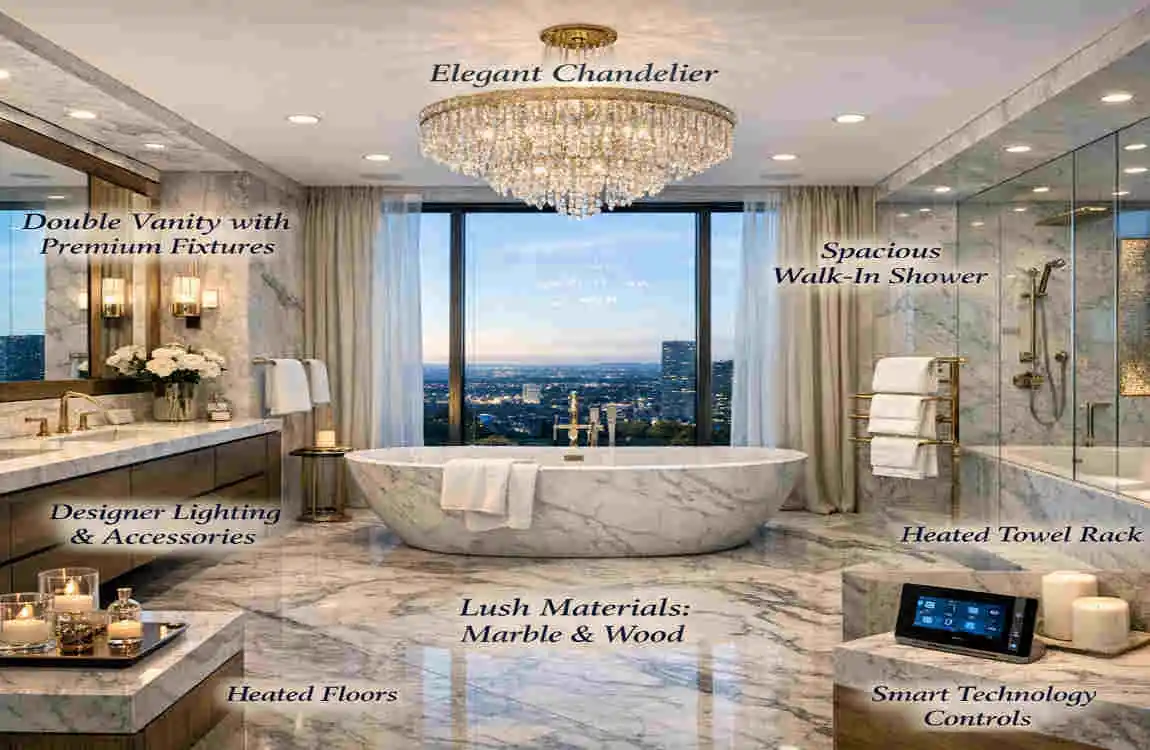
A refined bathroom is made up of many parts, but a few elements consistently define a truly elevated result. Below are the core features that recur in exceptional luxury bathroom design.
Freestanding Tubs
A freestanding tub is one of the clearest symbols of luxury. It creates a focal point and instantly gives the room a more curated feel.
Oval forms remain timeless, while sculptural silhouettes bring a more modern edge. Materials range from acrylic and stone resin to cast iron and natural stone. Placement matters. A tub should have enough surrounding space to feel intentional rather than squeezed in.
Pros: Strong visual impact, spa-like comfort, excellent for larger layouts.
Cons: Requires space, may require floor-mounted plumbing, and may not be ideal for families with small children.
Rainfall Showers with Body Jets
A walk-in shower with a rainfall head is now a standard expectation in many luxury bathrooms. Body jets, hand showers, steam systems, benches, and recessed niches take the experience even further.
The best shower designs balance openness with warmth. Oversized enclosures feel indulgent, but they should still contain water properly and remain easy to clean.
Pros: Daily comfort, strong resale appeal, customizable experience.
Cons: More plumbing complexity, can raise water and installation costs.
Custom Vanities and Storage
Storage is one of the biggest differences between an average remodel and a truly successful luxury bathroom design. Custom vanities let you tailor drawer depth, outlet placement, organizer inserts, and finish choices to your routine.
This is especially valuable in shared bathrooms. You can assign zones, build in linen space, hide appliances, and reduce countertop clutter.
Materials matter here too. Painted wood, rift-cut oak, walnut veneer, lacquer, and stone-topped cabinetry all offer different moods. Hardware can shift the style from classic to contemporary in seconds.
Pros: Personalized storage, Premium look, cleaner daily use.
Cons: Higher cost and longer lead times than prefab pieces.
Lighting Layers: Ambient, Task, and Accent
Lighting can make or break a bathroom. It affects mood, function, and the way finishes appear.
A luxury bathroom should include at least three layers:
- Ambient lighting: General illumination from ceiling fixtures or recessed lights
- Task lighting: Focused light near mirrors for shaving, skincare, or makeup
- Accent lighting: Soft highlights for niches, under-vanity glow, or art
Dimmers are essential. They let the room shift from bright and practical in the morning to soft and restful at night.
Natural light should also be used well. Frosted windows, skylights, clerestory openings, or filtered window treatments can bring in daylight while maintaining privacy.
Pros: Better comfort, stronger atmosphere, more flattering reflection.
Cons: Requires planning early in the project.
Mirrors and Hardware
Mirrors and hardware may seem small, but they shape the final impression of the room. Backlit mirrors add modern polish. Framed mirrors can soften a space and introduce warmth. Hardware should feel substantial in the hand and match the overall design language.
These details are often the finishing layer in high-end bathroom ideas, and they are worth treating seriously.
Element Comparison Table
ElementExample BrandsPrice RangeElegance Factor (1–10)
Freestanding tub Kohler, Victoria + Albert, Duravit $$$–$$$$ 10
Rainfall shower system Hansgrohe, Grohe, Kohler $$–$$$$ 9
Custom vanity Local millwork, Robern, Duravit $$$–$$$$ 10
Layered lighting Visual Comfort, Kichler, Tech Lighting $$–$$$ 9
Smart mirror Robern, Kohler, Keuco $$–$$$ 8
Premium hardware Emtek, Top Knobs, Baldwin $–$$ 8
Budgeting and Implementation Guide
A beautiful result starts with a realistic plan. Many homeowners assume luxury bathroom design means unlimited spending, but that is not always true. You can create a refined space at different budget levels if you prioritize correctly.
The phrase luxury bathroom design on a budget may sound contradictory, but it simply means spending smart. Focus first on layout, lighting, and the few features that create the biggest emotional impact.
Step-by-Step Renovation Process
- Assess your space and needs
- Start with your routine. Do you need double sinks? A tub? More storage? Better lighting? Build the room around real use, not just inspiration photos.
- Set your budget range early
- Include design fees, labor, materials, plumbing, electrical work, and a contingency fund. A 10% to 15% buffer is wise.
- Hire the right professionals
- A designer, contractor, and skilled plumber can save you from costly mistakes. If you offer design-build services, this is the point to invite readers to contact us for a quote.
- Source materials with intention
- Splurge on what gets touched and seen most often, such as stone, fixtures, and vanity finishes. Save on areas with less impact.
- Finalize plans before demolition
- Delays often happen when decisions are made too late. Confirm layouts, tile direction, hardware, and lighting before work begins.
- Install, style, and refine
- Once construction is complete, finish with textiles, accessories, greenery, and thoughtful styling. These final touches help the room feel complete.
Cost Breakdown Table
Remodel LevelTypical ScopeEstimated Budget
Low luxury Cosmetic upgrade, better lighting, quality vanity, Premium fixtures $15,000–$30,000
Mid-range luxury New layout elements, frameless shower, freestanding tub, custom finishes $30,000–$60,000
High-end luxury Full redesign, custom millwork, stone slabs, steam shower, smart features $60,000–$150,000+
Costs vary by region, labor rates, room size, and material selection. The biggest mistake is underestimating how quickly custom choices increase the total.
Common Mistakes to Avoid in Luxury Bathroom Design
Even a large budget cannot fix poor decisions. Here are the most common mistakes homeowners make in luxury bathroom design.
- Following trends too aggressively
- A color or fixture style that feels exciting today may feel tired fast. Use trends in accents, not in every major surface.
- Ignoring lighting quality
- One ceiling light is never enough. Poor lighting makes beautiful materials look flat and daily tasks harder.
- Forgetting ventilation
- Moisture can damage paint, millwork, and even stone. A quiet, effective ventilation system is essential.
- Choosing style over storage
- Open counters may look clean in photos, but daily clutter quickly ruins the effect. Hidden storage protects the luxury feel.
- Overcrowding the room
- Too many finishes, fixtures, or decorative objects can make the room feel busy. Luxury needs breathing room.
- Poor scale choices
- A tiny mirror above a large vanity or an oversized tub in a tight room will always feel awkward.
Avoiding these mistakes will protect both your investment and the final look.
Case Studies: Real Luxury Bathroom Design Transformations
Real projects show how the right choices come together. Here are three simplified examples of how luxury bathroom design can transform a space.
The Dated Master Bath Becomes a Spa Retreat
Before: Beige tile, bulky corner tub, weak lighting, limited storage.
After: The layout was opened up with a frameless shower, a sculptural freestanding tub, and a floating walnut vanity. Warm stone-look porcelain and soft brass fixtures added depth. Layered lighting changed the mood completely.
Result: The room felt larger, calmer, and much more refined.
Small Bathroom, Big Luxury
Before: Narrow layout, pedestal sink, crowded visual lines, no real storage.
After: A floating vanity, pocket door, mirrored storage cabinet, and large-format tile made the room feel taller and wider. A single slab backsplash added a high-end finish without visual noise.
Result: The bathroom gained function and looked far more expensive than its footprint suggested.
Case Study 3: Powder Room as a Statement Space
Before: Plain white walls, builder-grade mirror, basic vanity.
After: Deep olive walls, a stone vessel sink, aged brass sconces, and a dramatic mirror turned the room into a conversation piece. Because the space was small, the homeowner could spend more per square foot and create a bold look.
Result: Guests remembered the room, and the whole home felt more thoughtfully designed.
FAQs
What are the top luxury bathroom design trends for 2026?
The top trends include organic materials, spa-inspired wellness zones, and hidden smart technology. Earthy colors, sculptural fixtures, and layered textures are also shaping luxury bathroom trends in 2026.
How much does a luxury bathroom design remodel cost?
A luxury bathroom remodel can range from $15,000 to $150,000 or more, depending on the room size, custom work, materials, plumbing changes, and smart features.
What materials ensure timeless luxury in a bathroom?
Natural stone, quartzite, porcelain slab, warm wood finishes, solid brass hardware, and quality glass all support timeless bathroom elegance. These materials age better than overly trendy finishes.
Can I achieve luxury bathroom design in a small space?
Yes, absolutely. Use floating vanities, frameless glass, large-format tile, layered lighting, and hidden storage. These choices are excellent for luxury bathroom design layouts for small homes.
How do I choose fixtures for luxury bathroom design?
Focus on finish consistency, durability, ease of use, and scale. Choose fixtures that match the room’s style and support daily comfort. In luxury bathroom design, well-made fixtures often become visual highlights.