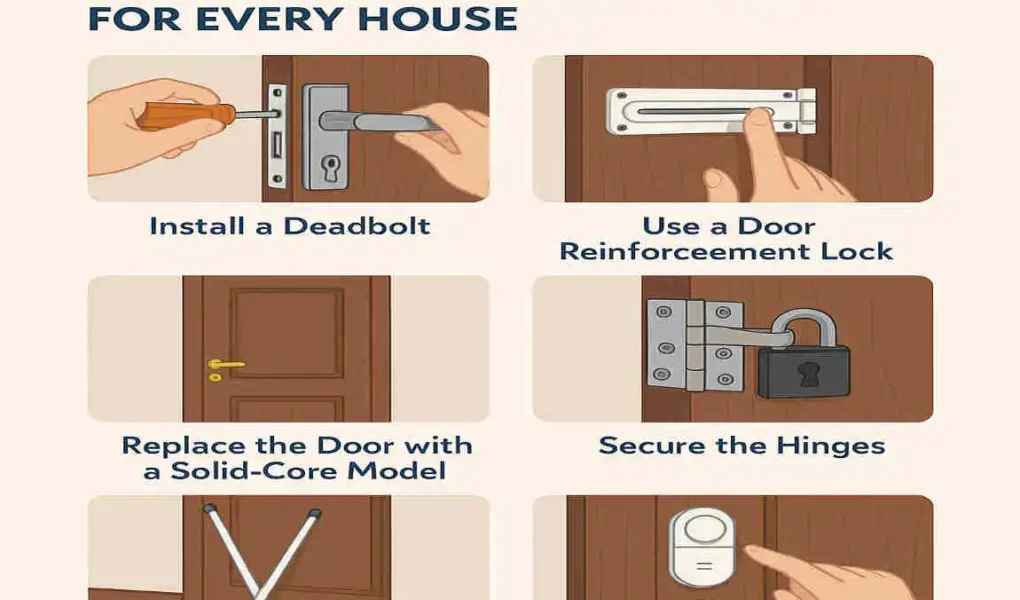
Securing a bedroom door is an essential part of home safety that enhances privacy and protects against unauthorized access. Simple yet effective measures like using portable locks, doorstops, or placing sturdy furniture as a physical barrier can provide immediate security. Installing hardware such as security bars, strike plates with longer screws, or door jammers reinforces the structural integrity of the door against forced entry. Additionally, practical DIY methods like temporarily removing the door handle, using belts to restrict handle movement, or employing the fork technique to block the latch can add layers of protection. These combined strategies ensure increased peace of mind and a safer personal space in every home
Why Securing Your Bedroom Door Matters
Privacy and Personal security
Your bedroom is your personal space, and you want to feel safe and secure when you’re in there. A locked bedroom door can give you peace of mind, knowing that your privacy is protected. It’s a simple but effective way to keep your personal belongings and yourself safe from unwanted visitors.
Protecting Vulnerable Family Members
If you have young kids or elderly family members living with you, securing their bedroom doors is even more critical. These folks might not be able to protect themselves as well as others, so a locked door can be a lifesaver in an emergency. It’s one less thing to worry about when it comes to keeping your loved ones safe.
Preventing Unauthorized Access and Burglary
Let’s face it, burglars and other bad guys are always looking for an easy way into your home. An unlocked bedroom door is like an open invitation to these criminals. By taking steps to ensure your bedroom door is secure, you’re making it much harder for them to get in and cause trouble.
Linking to Overall Home security Strategies
Securing your bedroom door is just one piece of the puzzle for keeping your home safe. It’s essential to think about your overall home security strategy and how your bedroom door fits into that plan. By combining door security with other measures like window locks and alarm systems, you can create a layered defense that keeps your home protected from all angles.
Common Bedroom Door security Vulnerabilities
Weak Door Locks and Easy Bypass Methods
One of the most significant vulnerabilities in bedroom door security is weak locks that can be easily bypassed. If your door lock can be picked or jimmied open with a credit card or other simple tool, it’s not doing its job. You need a high-quality lock that can withstand these kinds of attacks and keep your door securely closed.
Poor Quality Door Frames and Hinges
Even if you have a strong lock on your bedroom door, it won’t do much good if the door frame and hinges are weak. A determined intruder can kick in a flimsy door frame or remove the hinges to gain access to your room. That’s why it’s essential to reinforce these areas and make sure they’re up to the task of keeping your door secure.
Gaps Under the Door or Weak Panels
Another common vulnerability is gaps under the door or weak panels that can be easily broken. If there’s enough space under your door for someone to reach in and unlock it from the inside, or if the panels are thin enough to be kicked in, your door isn’t as secure as it could be. You’ll need to take steps to fill these gaps and reinforce the panels to keep your room safe.
Doors Without Secondary Locking Mechanisms
Finally, if your bedroom door only has one lock, you’re leaving yourself vulnerable to a single point of failure. If that lock is compromised, your door is no longer secure. That’s why it’s a good idea to have a secondary locking mechanism, like a deadbolt or chain lock, to provide an extra layer of protection.
Basic Ways to Secure a Bedroom Door
Installing High-Quality Deadbolt Locks
One of the easiest and most effective ways to secure your bedroom door is to install a high-quality deadbolt lock. These locks are much more complex to pick or break than standard doorknob locks, and they provide a substantial barrier against intruders. When choosing a deadbolt, look for one made of solid metal with a long-throw bolt for maximum security.
Using Door Knob Locks with Keyed Access
If you don’t want to install a deadbolt, another option is to use a doorknob lock with keyed access. These locks are easier to install than deadbolts, and they still provide a good level of security. Just make sure to choose a lock that’s resistant to picking and bumping, and keep the key in a safe place where you can easily access it in an emergency.
Reinforcing Door Frames and Hinges
As we mentioned earlier, weak door frames and hinges can be a significant vulnerability in bedroom door security. To reinforce these areas, use longer screws to secure the hinges to the frame and add a strike plate to the door jamb for extra support. You can also use a door frame reinforcement kit to add additional strength to the frame itself.
Filling Gaps with Weatherstripping or Door Sweeps
If there are gaps under your bedroom door, you can fill them with weatherstripping or a door sweep to prevent intruders from reaching in and unlocking the door. Weatherstripping is a flexible material that you can attach to the bottom of the door, while a door sweep is a metal or plastic piece that you can screw onto the door to create a tight seal. Either option will help to keep your room more secure.
Adding Door security Bars or Braces
For an extra layer of protection, you can add a door security bar or brace to your bedroom door. These devices fit under the doorknob and extend to the floor, making it much harder for someone to force the door open. They’re easy to install and remove, so you can use them when you need extra security and take them down when you don’t.
Advanced security Measures for Bedroom Doors
Smart Locks and Electronic Keypads: Features, Pros, Cons
If you want to take your bedroom door security to the next level, consider installing a smart lock or electronic keypad. These devices let you lock and unlock your door via a smartphone app or by entering a code on the keypad. They offer a lot of convenience and flexibility, but they can also be more expensive and require batteries or a power source to operate.
Security Alarms and Door Sensors Integration
Another advanced security measure you can take is to integrate security alarms and door sensors with your bedroom door. These devices can alert you if someone tries to open your door and trigger a loud alarm to scare off intruders. They’re a great way to add an extra layer of protection to your room, especially if you’re away from home a lot.
Use of security Cameras for Monitoring Entry Points
If you really want to keep an eye on your bedroom door, consider installing a security camera to monitor the entry point. These cameras can be set to record video of anyone approaching your door and to send you alerts when they detect motion. They’re a great way to keep tabs on your room’s security, even when you’re not there.
Biometric Locks and Their Growing Popularity
Biometric locks are another advanced security option gaining popularity. These locks use your fingerprint or other unique biometric data to unlock your door, making them very secure and hard to bypass. They’re more expensive than other types of locks, but they offer a high level of convenience and peace of mind.
How to Combine Technology with Traditional Locks
If you want the best of both worlds, you can combine technology with traditional locks to create a hybrid security system for your bedroom door. For example, you could install a smart lock with a keypad and keep a conventional deadbolt as a backup. This way, you can enjoy the convenience of technology while still having a reliable mechanical lock to fall back on if needed.
DIY Tips to Improve Bedroom Door security
How to install a Deadbolt or Reinforce Existing Lock
If you’re handy with tools, you can improve your bedroom door security by installing a deadbolt or reinforcing your existing lock. To install a deadbolt, you’ll need to drill holes in the door and the door frame, then screw the lock into place. To reinforce an existing lock, you can add a strike plate to the door jamb and use longer screws to secure the hinges.
Adding Hinge Screws and Strike Plates for Strength
Another DIY tip is to add hinge screws and strike plates to your bedroom door for extra strength. Longer hinge screws can help to keep the door securely attached to the frame, while a strike plate can reinforce the area around the lock and make it harder for someone to kick in the door. These are simple upgrades that can make a big difference in your door’s security.
Using Door Jammers or Portable Door Locks for Extra Protection
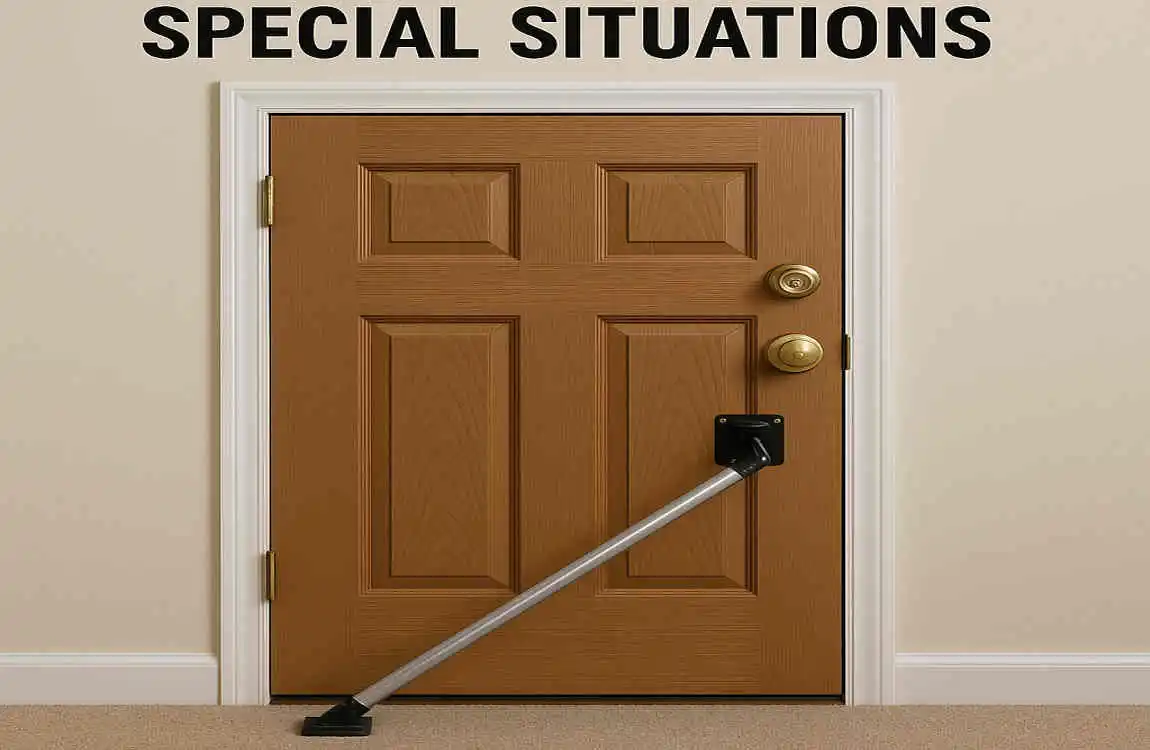
If you’re looking for a quick and easy way to add extra protection to your bedroom door, consider using a door jammer or portable door lock. These devices fit under the doorknob and extend to the floor, making it much harder for someone to force the door open. They’re great for renters or anyone who needs a temporary security solution.
Step-by-Step Guide with Tools Required
Here’s a step-by-step guide to improving your bedroom door security, along with the tools you’ll need:
- Install a deadbolt:
- Drill
- Hole saw
- Screwdriver
- Deadbolt lock kit
- Measuring tape
- Reinforce existing lock:
- Screwdriver
- Longer screws
- Strike plate
- Add hinge screws and strike plates:
- Screwdriver
- Longer screws
- Strike plate
- Use door jammers or portable door locks:
- No tools required
Cost-Effective Options for Renters vs Homeowners
If you’re a renter, you might not be able to make permanent changes to your bedroom door. In that case, consider cost-effective options such as door jammers or portable door locks to enhance your security. These devices are easy to install and remove, so you can take them with you when you move out.
If you’re a homeowner, you have more flexibility to make changes to your bedroom door. You can install deadbolts, reinforce existing locks, and add hinge screws and strike plates to improve your security. These upgrades might cost a bit more upfront, but they’ll provide long-term protection for your home.
Choosing the Right Door and Hardware for security
Best Types of Doors for Secure Bedrooms
When choosing a door for your bedroom, opt for one known for its security. Solid core doors are a great choice, as they’re made of solid wood or composite materials that are hard to break through. Metal doors are another good option, as they’re robust and resistant to forced entry.
Features to Look for in Door Locks and Handles
When choosing a lock and handle for your bedroom door, look for features that enhance security. A deadbolt lock with a long throw bolt is a must-have, as it provides a strong barrier against intruders. You’ll also want a handle that’s resistant to picking and bumping, and that has a reinforced strike plate to prevent the door from being kicked in.
Brands and Products with Good Safety Ratings
There are many brands and products on the market with strong safety ratings for bedroom door security. Some top-rated options include:
- Schlage: Known for their high-quality deadbolt locks and smart lock systems
- Kwikset: Offers a wide range of secure door locks and handles at affordable prices
- Yale: Specializes in smart locks and electronic keypads for easy access and control
When shopping for door security products, be sure to read reviews and look for certifications from organizations like the American National Standards Institute (ANSI) or the Builders Hardware Manufacturers Association (BHMA).
Professional Installation vs DIY
When it comes to installing your bedroom door and hardware, you have two options: professional installation or DIY. Professional installation can be more expensive, but it ensures that the job is done correctly and that your door is as secure as possible. DIY installation can save you money, but it requires some skill and knowledge to do it right.
If you’re not confident in your ability to install the door and hardware yourself, it’s best to hire a professional. They’ll have the tools and expertise to get the job done quickly and efficiently, and they can also provide advice on the best security options for your specific needs.
Bedroom Door security for Special Situations
Child-Proofing Bedroom Doors
If you have young children in your home, you’ll want to take extra steps to child-proof your bedroom doors. This can include installing locks that are out of reach of little hands, or using door knob covers to prevent kids from turning the knob and opening the door. Consider using a baby gate to block access to the room.
Securing Elderly Persons’ Rooms with Ease of Exit in Mind
For elderly family members, bedroom door security is essential, but so is ease of exit in case of an emergency. You’ll want to choose a lock that’s easy for them to operate, and make sure they know how to use it. You can also install a panic button or another alert system so they can call for help if needed.
Handling Shared Rooms or Dormitory-Style Living
In shared rooms or dormitory-style living situations, security bedroom doors can be more challenging. You’ll need to balance privacy and security with ease of access and egress. One option is to use a lock with multiple keys or codes, so that each person in the room can use their own key or code to lock and unlock the door.
Security Considerations in Rental Properties or Dorms
If you’re living in a rental property or dorm, you may have limited options when it comes to securing your bedroom door. In these situations, it’s essential to work with your landlord or property manager to find solutions that meet your needs. You can install temporary security devices, such as door jammers or portable locks, or you may need to rely on the existing locks and hardware provided by the property.
Security Precautions Beyond the Door
Securing Windows as Part of Bedroom Safety
While securing your bedroom door is essential, don’t forget about the windows. Intruders can use windows as an entry point just as easily as doors, so make sure to lock them and consider adding security bars or film to make them more resistant to forced entry.
Installing Motion Sensors and Night Lights
Another way to enhance your bedroom security is to install motion sensors and night lights. Motion sensors can alert you if someone enters your room while you’re sleeping, and night lights can help you navigate the room safely in case of an emergency. These devices are easy to install and can provide an extra layer of protection for your home.
Developing Family Safety Plans and Emergency Exit Routes
In addition to physical security measures, it’s important to develop family safety plans and emergency exit routes. Make sure everyone in your household knows what to do in case of a break-in or other emergency, and practice your plan regularly to ensure everyone is prepared. This can help to keep your family safe and secure, even in the face of a threat.
Educating Family Members about Door security
Finally, take the time to educate your family members about door security and the importance of keeping your home safe. Teach them how to properly lock and unlock the bedroom door, and encourage them to always be vigilant and aware of their surroundings. By working together, you can create a culture of security in your home that keeps everyone protected.
Common Mistakes to Avoid When Securing Bedroom Doors
Relying on Low-Quality Locks or Handles
One of the biggest mistakes people make when securing their bedroom doors is relying on low-quality locks or handles. These devices may be cheaper upfront, but they’re much easier for intruders to bypass, leaving your home vulnerable to break-ins. Always invest in high-quality locks and hardware to ensure your door is as secure as possible.
Ignoring Door Frame and Hinge Vulnerabilities
Another common mistake is ignoring the vulnerabilities in the door frame and hinges. Even if you have a strong lock on your door, a weak frame or hinges can be easily kicked in or removed, allowing an intruder to gain access to your room. Make sure to reinforce these areas with longer screws and strike plates to prevent this from happening.
Over-Relying on Technology Without Backups
While smart locks and other technological security measures can be very convenient, it’s important not to over-rely on them without having backups in place. Technology can fail or be hacked, so always have a traditional mechanical lock as a backup to ensure your door remains secure even if the technology stops working.
Neglecting Regular Maintenance and Lock Inspections
Finally, don’t neglect regular maintenance and lock inspections for your bedroom door security. Over time, locks can wear out or become damaged, making them less effective at keeping your door secure. Make sure to regularly check your locks and hardware, and replace them as needed to maintain your home’s safety.
When to Call a Professional Locksmith
Signs You Need Expert Help for Door security Upgrade
If you’re unsure how to secure your bedroom door or are facing a specific security challenge, it may be time to call a professional locksmith. Some signs that you need expert help include:
- Your current locks are old or damaged and need to be replaced
- You’re unsure about which security measures are best for your specific needs
- You’ve experienced a break-in or attempted break-in, and need to upgrade your security
- You’re moving into a new home and want to ensure the doors are secure
How to Choose a Trustworthy Locksmith
When choosing a locksmith, it’s essential to find someone who is trustworthy and reliable. Here are some tips to help you make the right choice:
- Look for a locksmith who is licensed, bonded, and insured
- Read online reviews and ask for recommendations from friends and family
- Ask for a written estimate before any work is done
- Choose a locksmith who specializes in residential security and has experience with bedroom door security
Cost Expectations and What Services to Expect
The cost of hiring a professional locksmith can vary depending on the services you need and the complexity of the job. On average, you can pay between $50 and $200 for a basic lock installation or repair. More advanced security measures, such as smart locks or security cameras, may cost more.
When you hire a locksmith, you can expect them to provide a range of services, including:
- Lock installation and repair
- Key cutting and duplication
- Security assessments and recommendations
- Emergency lockout assistance
Benefits of Professional security Assessment
One of the most significant benefits of hiring a professional locksmith is getting a security assessment for your bedroom door and overall home security. A trained locksmith can identify vulnerabilities and recommend the best solutions to keep your home safe. They can also provide guidance on maintaining your security measures and keeping them effective over time.