You also need to think about hurricanes, humidity, flooding, energy use, and strict building codes. Florida is not a place where you can simply add walls and call it a bedroom. The room must be safe, legal, and built for the local climate.
When done right, a bedroom addition can add real value to your home. It can improve your daily comfort, give your family more space, and make your property more attractive to buyers later. In many cases, a well-planned addition can raise a home’s value by 10% to 20%, especially when it feels like a natural part of the house and meets local code requirements.
A typical bedroom addition can also add 70+ square feet of livable space, which is a major plus if your home feels tight or you need a guest room, nursery, office, or future master suite.
What Construction a Bedroom in Florida Really Means
A bedroom is more than a room with a bed
At first glance, what is construction a bedroom in Florida might sound like a simple question. But in practice, it means building a space that legally qualifies as a sleeping room under Florida rules.
That means the room must do more than look like a bedroom.
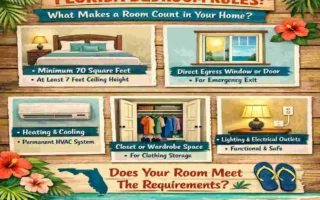
It must meet state and local requirements for:
- Minimum square footage
- Safe emergency exit access
- Ceiling height
- Ventilation and natural light
- Smoke and carbon monoxide protection
- Structural strength for hurricane conditions
- Electrical safety
- Sometimes plumbing or HVAC adjustments
So when someone asks, “What is construction a bedroom in Florida?” the real answer is this: it is the process of creating a legal sleeping space that meets both comfort needs and code requirements.
Why Florida is different from other states
Florida has its own challenges. The weather is hot and humid for much of the year. Many areas are exposed to strong winds, driving rain, and storm surge. Some counties also have stricter rules than others, especially in coastal and high-velocity wind zones.
Because of that, Florida bedroom construction often needs stronger materials and more careful planning than the same project in a milder state.
You cannot just focus on style. You need to focus on durability and safety too.
Why homeowners build bedrooms in Florida
People build or add bedrooms for many reasons. Some want a private space for guests. Some need to expand a growing family. Others are preparing for aging parents, working from home, or increasing resale value.
Common reasons include:
- Adding a guest room
- Creating a master suite
- Converting a den or bonus room
- Making room for a new child
- Increasing home value before a future sale
- Turning part of a house into a more functional layout
If you are asking what a bedroom construction project in Florida is and want to improve your home, the good news is that a well-executed project can serve both your lifestyle and your long-term investment goals.
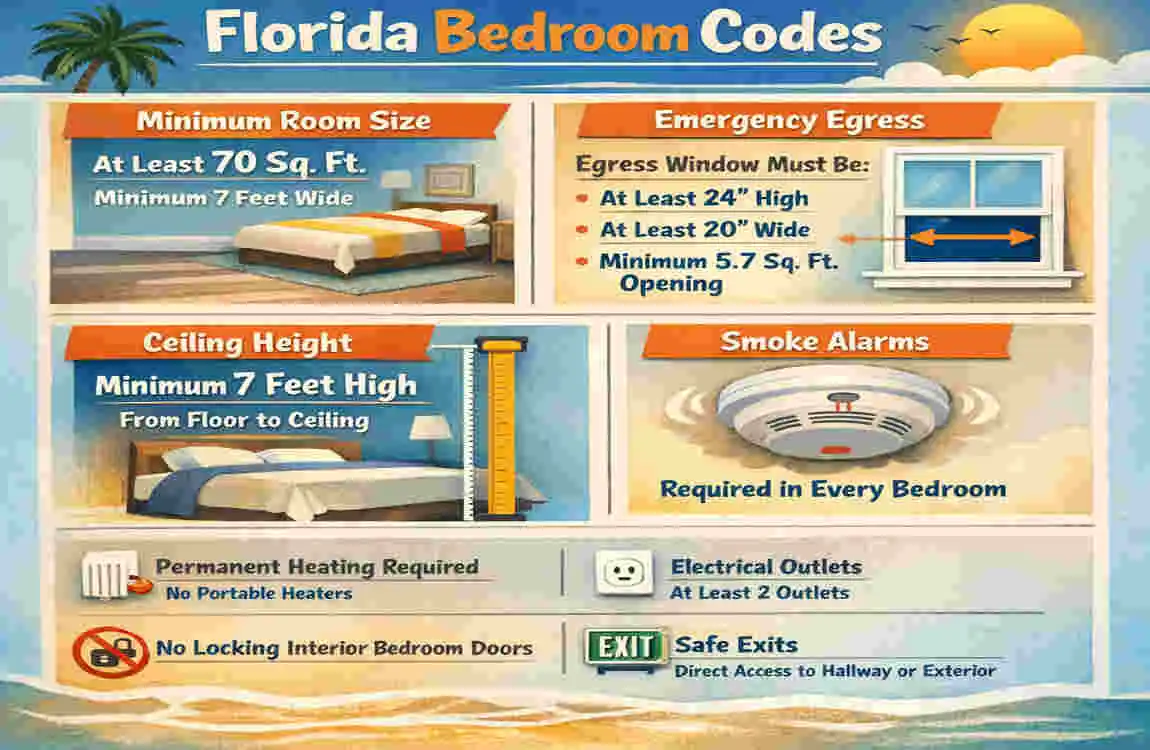
Florida Bedroom Codes You Need to Know
Minimum room size matters
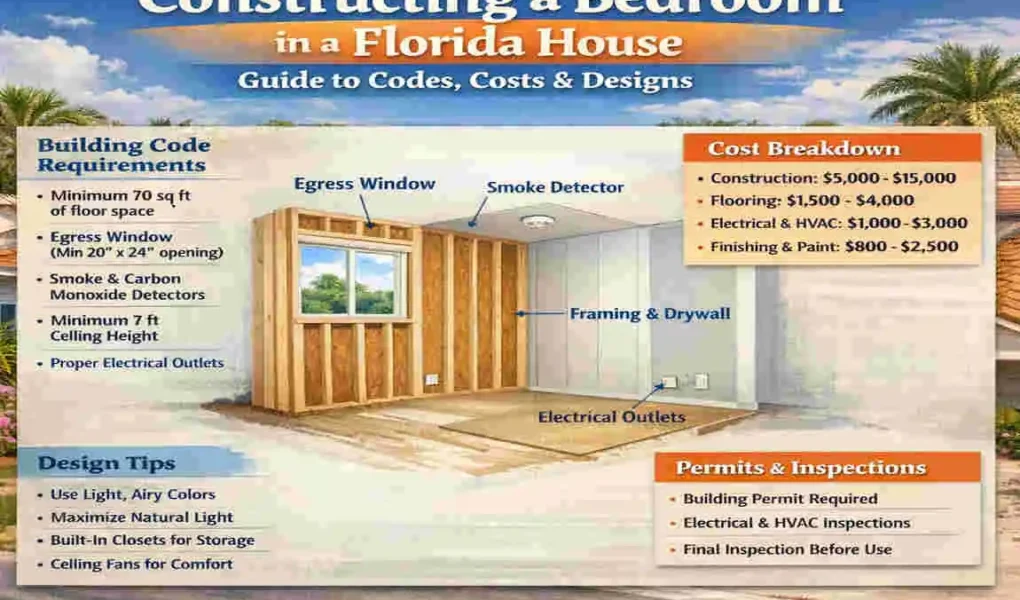
One of the first things to understand about what is construction a bedroom in Florida is that the room must meet minimum size requirements.
In simple terms, the room must be large enough to function as a real sleeping space. A bedroom that is too small may not count as a legal bedroom, even if you place a bed inside it.
This matters because buyers, appraisers, inspectors, and insurance companies often consider how a room is classified.
Egress is not optional
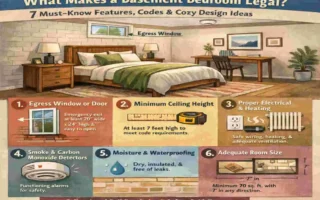
Every legal bedroom needs a safe way out in case of fire or emergency. That is why egress is one of the biggest code topics in Florida bedroom construction.
A compliant bedroom typically requires an emergency escape window or door with enough opening to allow a person to get out. It should also be easy to reach, easy to open, and not blocked by furniture or built-ins.
This is not just about checking a box. It is about safety.
In Florida, egress matters even more because storms and power outages can make emergencies harder to manage. A bedroom without proper escape access is a serious problem.
Ceiling height and layout rules
Another important part of what makes a bedroom in Florida is the room height. The ceiling must meet minimum height standards so the room feels safe and usable.
Low ceilings can make a bedroom feel cramped, but they can also create compliance issues. That is why attic conversions and garage conversions often need special planning. You cannot just finish the space and hope it passes inspection.
The layout also matters. Doors, windows, closets, and furniture placement should leave enough open space for everyday use and emergency access.
Smoke and carbon monoxide protection
A legal bedroom needs proper safety devices. Smoke alarms are essential, and carbon monoxide protection may also be required depending on the home setup.
This is especially important if the bedroom is near fuel-burning appliances, an attached garage, or an older HVAC system. A bedroom that feels beautiful but lacks proper safety hardware is not complete.
Closet rules: what is true and what is a myth
A lot of people still believe a bedroom must have a built-in closet. That idea is common, but it is not always the deciding factor.
The bigger issue is whether the room meets the local definition of a bedroom. A closet can enhance functionality and resale value, but it is not the only thing that matters. In some cases, a freestanding closet can work fine.
So if you are asking what is considered construction in a bedroom in Florida, do not assume that a closet alone makes the room legal. Egress, size, and safety matter more.
Hurricane-related code requirements
Florida bedroom construction often includes stronger requirements for windows, doors, walls, and framing. In storm-prone areas, you may need impact-rated openings or other approved wind-resistant features.
That may increase your budget, but it can also protect your home during severe weather.
A bedroom addition should feel like it belongs in the house, but it also needs to withstand Florida’s climate. That balance is what separates a smart project from an expensive mistake.
Step-by-Step Process for Building a Bedroom in Florida
Start with plans and permits
Before any hammer hits a nail, you need a plan. That is the first major step in what is construction a bedroom in Florida.
You will usually need drawings, measurements, and sometimes engineer-stamped plans. Then you submit those documents for permits.
Permit approval can take time. In many cases, it may take 2 to 6 weeks, depending on the county, the project’s complexity, and the building department’s workload.
This part may feel slow, but it is important. If you skip it, you can end up with delays, fines, or expensive tear-outs later.
Prepare the site and foundation
Once you have approval, the site needs to be prepared. That may involve clearing the area, marking the footprint, and setting up the foundation.
For Florida homes, the foundation must be planned with moisture and wind in mind. Some projects use slab foundations. Others tie into an existing structure with reinforced elements that help resist storms.
This stage usually takes a significant share of the total budget because it serves as the foundation for the whole project.
Frame the shell
After the foundation is ready, the framing begins. This is where the room starts to take shape.
Walls go up. Openings for windows and doors are cut in. Structural pieces are added to support the roof and walls. In Florida, builders often use stronger connections and hurricane straps because homes must withstand high wind loads.
The shell is one of the most visible parts of the job and also one of the most important. If the shell is weak, everything else becomes risky.
Add roofing, insulation, and weather protection
The next step is getting the room weather-tight.
That means:
- Roof framing or tie-in work
- Roofing material installation
- Water protection
- Insulation
- Air sealing
Florida homes need good moisture control. If a bedroom is not well sealed, you may later deal with heat loss, humidity buildup, or mold issues.
This is also where energy efficiency starts to matter. A bedroom that stays cooler in summer will be more comfortable and cheaper to run.
Install electrical, HVAC, and plumbing if needed
This stage is where the room becomes usable.
Electrical work may include outlets, lights, switches, fans, and smoke alarms. HVAC work may involve extending ducts or adding a new zone. If the bedroom includes an attached bathroom or a wet bar, plumbing will also be required.
Florida code typically requires careful attention to safe wiring, proper ventilation, and approved fixture placement.
Do not cut corners here. Hidden systems are just as important as visible finishes.
Drywall, paint, floors, and trim
Now the room feels like a real bedroom.
Drywall goes up. Walls are finished and painted. Floors are installed. Trim, doors, and baseboards complete the look.
In Florida, many homeowners choose flooring that resists moisture, such as tile or other durable finishes. That helps the room stay practical, especially in humid weather.
Final inspection and completion
The last step in what is construction a bedroom in Florida is inspection.
The building department checks whether the room meets code. If everything passes, the room can be considered complete and legal.
This final review is not just paperwork. It is the proof that your bedroom is safe, properly built, and ready to use.
Typical timeline
For a standard addition of about 200 square feet, the full process may take 4 to 8 weeks once work begins. The schedule can be longer if permits take time, the weather causes delays, or the design is more complex.
Cost Breakdown: What You Can Expect to Spend
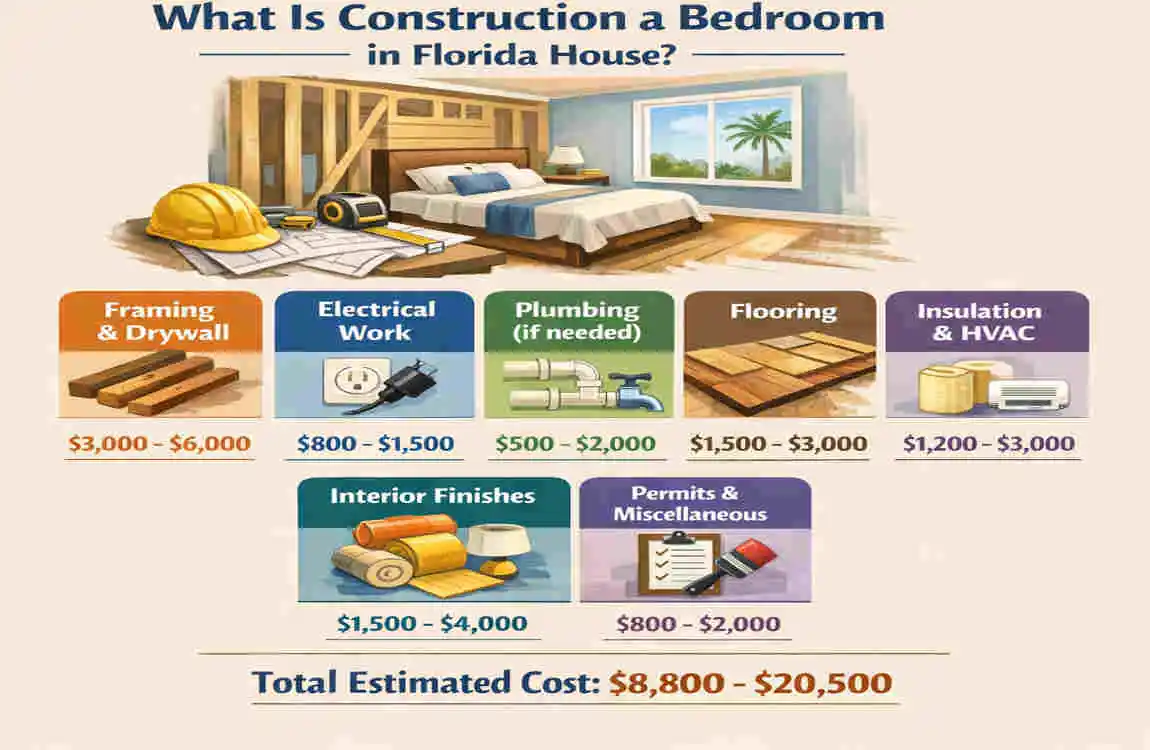
The average cost range
One of the biggest questions people ask about what is construction a bedroom in Florida is how much it costs.
For a typical bedroom addition of 150 to 300 square feet, you may spend between $15,000 and $50,000. In some cases, costs can go higher, especially in coastal areas or when hurricane upgrades are needed.
A very simple project may stay near the lower end. A more customized bedroom suite may move well beyond that.
What affects the total cost
The final price depends on many things:
- Location
- Size of the room
- Foundation type
- Framing material
- Window and door quality
- Electrical and HVAC needs
- Permit fees
- Finishes and flooring
- Wind and hurricane upgrades
A project in Miami, Naples, or another high-demand area may cost more than one in a lower-cost market. Materials also matter. Impact-rated windows, reinforced framing, and moisture-resistant finishes all increase the budget.
Bedroom addition cost Florida: the main budget pieces
Here is a simple breakdown of where the money usually goes.
ComponentCost RangePercent of Total
Permits and plans $1,000-$5,000 5-10%
Foundation and framing $8,000-$20,000 35-45%
Electrical and plumbing $3,000-$8,000 15-20%
Finishes, flooring, and paint $4,000-$10,000 20-25%
Hurricane upgrades $5,000-$15,000+ Variable
This table gives you a useful starting point, but every home is different. The more custom the work, the more the budget can rise.
Modular vs. stick-built options
Some homeowners compare modular additions with traditional stick-built construction.
A modular option may cost less in some situations and move faster. A stick-built addition may offer more flexibility and a better match to the existing home.
The right choice depends on your lot, your timeline, and your goals.
Smart ways to manage cost
If you want to keep the project budget under control, here are a few practical steps:
- Get multiple bids
- Use a simple layout
- Avoid unnecessary structural changes
- Choose durable but affordable finishes
- Plan the project before materials get more expensive
- Reserve money for change orders and surprises
That last point matters a lot in Florida. Older homes often reveal issues once walls open up.
Why a contingency budget is so important
If you are serious about what it costs to build a bedroom in Florida, set aside extra money.
A 20% contingency is a smart move for 2026. That cushion can help cover price jumps, permit changes, hidden repairs, or weather delays. It may feel conservative, but it protects you from stress later.
Popular Bedroom Designs for Florida Homes
Design should match climate and lifestyle
When people ask what a bedroom in Florida looks like, they often picture walls, windows, and a bed. But good bedroom construction also includes design.
The best bedroom design for Florida should feel cool, bright, and easy to live in. It should also fit the rest of the house so the addition looks natural, not awkward.
Coastal style works well
Many Florida homes use coastal-inspired design. That does not mean every bedroom needs seashell decorations or bright blue walls. It means the space should feel light, relaxed, and airy.
Popular features include:
- Soft neutral colors
- White trim
- Large windows
- Simple furniture
- Ceiling fans
- Easy-clean flooring
- Open sight lines
This style works especially well in Florida because it supports the feeling of space and freshness.
Master suite design
A master suite is one of the most valuable bedroom additions. It usually has more square footage, better storage, and sometimes a private bathroom.
A master suite may include:
- Sleeping area
- Walk-in closet
- En-suite bathroom
- Seating nook
- Optional desk or reading space
Because it is larger and more complex, this type of project usually costs more. But it can also add significant comfort and resale value.
Guest room design
A guest bedroom can be smaller and simpler.
The goal is to make it welcoming, practical, and comfortable without overspending. A good guest room should still meet code requirements, have adequate storage, and feel pleasant to use every day.
This is a great option if you want to improve your home without going all-in on a luxury suite.
Hurricane-proof design choices
Florida design should not stop at style. It should also focus on resilience.
That means choosing features like:
- Impact-rated windows
- Strong roof connections
- Moisture-resistant materials
- Flood-conscious elevation where needed
- Proper insulation
- Durable exterior finishes
A hurricane-proof bedroom is not just safer; it’s also more comfortable. It also tends to age better over time.
Layout ideas that make small rooms feel bigger
If your bedroom footprint is limited, use smart design tricks.
Try these ideas:
- Keep furniture scaled to the room
- Use light wall colors
- Add tall windows for natural light
- Use sliding doors if space is tight
- Keep storage built in when possible
- Avoid heavy visual clutter
Small rooms can still feel comfortable if the layout is thoughtful.
Permits and Legal Essentials
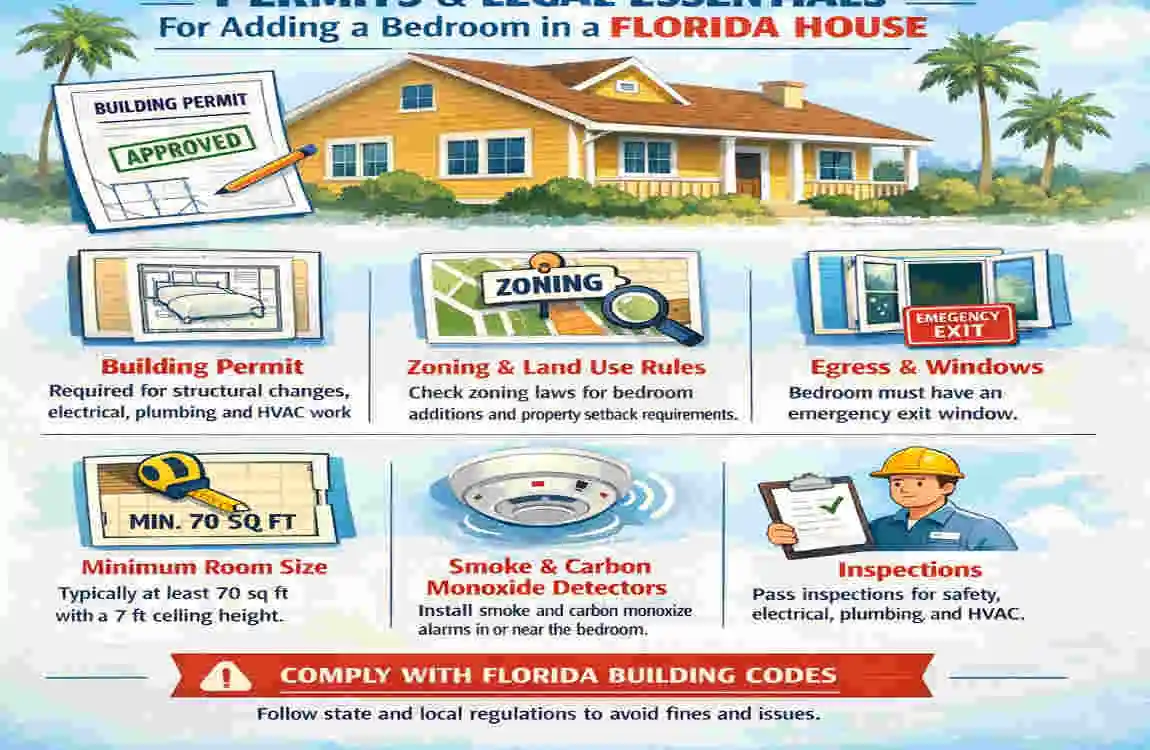
You cannot skip the permit process
If you are serious about what it takes to construct a bedroom in Florida, you need to understand the legal side.
Florida counties and cities often require permits for additions, structural changes, electrical work, and, in some cases, HVAC changes. If you skip this step, you can face delays, penalties, or problems when you try to sell the house later.
Zoning rules matter too
Permits are only part of the picture. Zoning rules can affect where you place the bedroom, how close it sits to property lines, and how large the addition can be.
Setbacks are especially important. Many areas require the home to be set back a certain distance from the lot edge. That distance can vary by location.
County rules may be stricter than state rules
Some Florida counties apply more demanding rules than the baseline code. That is especially common in places with stronger wind concerns or special flood exposure.
So even if a room seems fine on paper, the local building office may require more detail before approving it.
Energy efficiency is part of modern compliance
Today’s bedroom construction is not just about strength. It is also about efficiency.
Many projects now need to meet energy code requirements. That can affect insulation, windows, HVAC design, sealing, and other parts of the room.
This is good news for homeowners, because a more efficient room usually means lower utility bills and better comfort.
A local inspector can save you money
One of the smartest moves you can make is to talk with a local inspector or building official before you start.
That small step can reveal issues early and prevent costly redesigns later.
If you are still asking what is construction a bedroom in Florida, think of this as part of the answer: it is a legal process as much as a building process.
Materials That Work Best in Florida Climate
Concrete block and reinforced construction
Florida homes often use concrete block because it handles wind and moisture better than many lighter materials.
That does not mean wood framing is never used. It simply means the structure must be planned carefully, especially in storm-prone areas.
Reinforced walls, stronger ties, and good structural connections all help the bedroom withstand local conditions.
Exterior finishes that hold up
For the outside of the bedroom addition, people often choose:
- Stucco
- Fiber cement
- Impact-resistant siding options
- Durable trim materials
These materials can withstand heat, rain, and salty coastal air.
Windows and doors
Windows and doors are critical in Florida bedroom construction. You want products that help with:
- Wind resistance
- Water intrusion control
- Energy efficiency
- Noise reduction
- Security
Impact-rated windows are a smart investment in many areas. They may cost more up front, but they can improve safety and possibly reduce storm-related damage.
Flooring that handles humidity
Inside the bedroom, flooring choice matters more than many people think.
Good options include:
- Porcelain tile
- Engineered materials rated for moisture
- Other durable low-maintenance surfaces
Wood can look beautiful, but it must be chosen carefully in a humid climate. Poor flooring choices can warp, swell, or wear out too fast.
Insulation and HVAC choices
A Florida bedroom should stay cool and dry.
That means insulation needs to be done well, and HVAC must be planned correctly. Spray foam insulation is often chosen for its ability to help reduce air leaks and moisture problems. Proper zoning can also improve comfort, especially in larger homes.
If the room does not breathe and cool correctly, it will never feel fully finished, no matter how pretty it looks.
Hiring Contractors the Smart Way
Choose licensed professionals
A big part of building a bedroom in Florida is deciding who will build it.
You want a contractor who is licensed, insured, and experienced with Florida code. A general handyman is not the right fit for a structural addition.
This is not the place to chase the cheapest number alone. A low bid can become a high-cost mistake if the work fails inspection.
Ask for three bids
A good rule is to get at least three bids.
That gives you a better feel for the real market price. It also helps you compare materials, project timelines, and the level of detail in each proposal.
Sometimes the lowest bid leaves out key costs. Sometimes the highest bid includes quality features that the others skipped. Comparing all three helps you make a smarter choice.
What to look for in a contractor
Use a simple checklist.
Look for:
- Florida license
- Insurance coverage
- Experience with bedroom additions
- Hurricane code knowledge
- Good communication
- Clear contract terms
- Solid references
You want someone who can explain the project in simple language and answer questions without pressure.
DIY should stay limited
You can save money by doing some finishing work yourself, but only after the important inspections are done.
Painting, simple trim work, or décor may be fine for a homeowner. Structural framing, electrical, and permit-controlled work should be left to pros.
That is the safest way to keep the project moving without creating code problems.
Common Mistakes to Avoid
Skipping the egress requirement
This is one of the biggest mistakes in what is construction a bedroom in Florida.
If the room does not have proper emergency exit access, it may not count as a legal bedroom. That can lead to expensive corrections later.
Ignoring flood zones
Florida has many areas with significant flood risk. If you ignore that risk during planning, you may create a room that is vulnerable to water damage or insurance issues.
Underestimating the permit process
Permits take time and cost money. If you do not plan for that, your budget and schedule can fall apart.
Assuming every bonus room is a bedroom
Not every finished room is a legal bedroom. A bonus room, office, or den may look similar, but if it lacks the right size, egress, or code compliance, it may not qualify.
Choosing style before structure
Style matters, but structure comes first.
It is easy to fall in love with finishes and forget the basics. In Florida, that is a mistake. The room must be safe and durable before it is beautiful.
Forgetting long-term comfort
A bedroom should be comfortable year-round, not just on the day it is finished.
If you want the addition to remain useful, consider airflow, temperature control, privacy, lighting, and sound.
Quick Checklist Before You Build
Use this simple planning list
Before you move forward with your project, make sure you have covered the basics:
- Confirm the room will meet bedroom code
- Review local permit requirements
- Plan for egress and safety
- Set a realistic budget
- Compare at least three contractors
- Choose materials that handle Florida weather
- Add a contingency fund
- Think about future resale value
This checklist can save you from a lot of stress later.
FAQs
What is the minimum size for a bedroom in Florida?
In general, a Florida bedroom must meet minimum square-footage requirements and include proper egress. The room must be large enough to function as a legal sleeping space, not just a small finished nook.
How much does it cost to add a bedroom to a house in Florida?
A typical bedroom addition in Florida may cost $15,000 to $50,000, depending on size, materials, location, and code upgrades. Coastal areas and hurricane-rated features can raise the price.
Do Florida bedrooms need closets?
A closet can be useful, but the real issue is whether the room meets local bedroom requirements. Some bedrooms may use a freestanding closet instead of a built-in one.
What are the hurricane codes for new bedrooms?
Hurricane-related rules often involve stronger windows, doors, framing, and roof connections. In some zones, impact-rated openings and wind-resistant construction are especially important.