
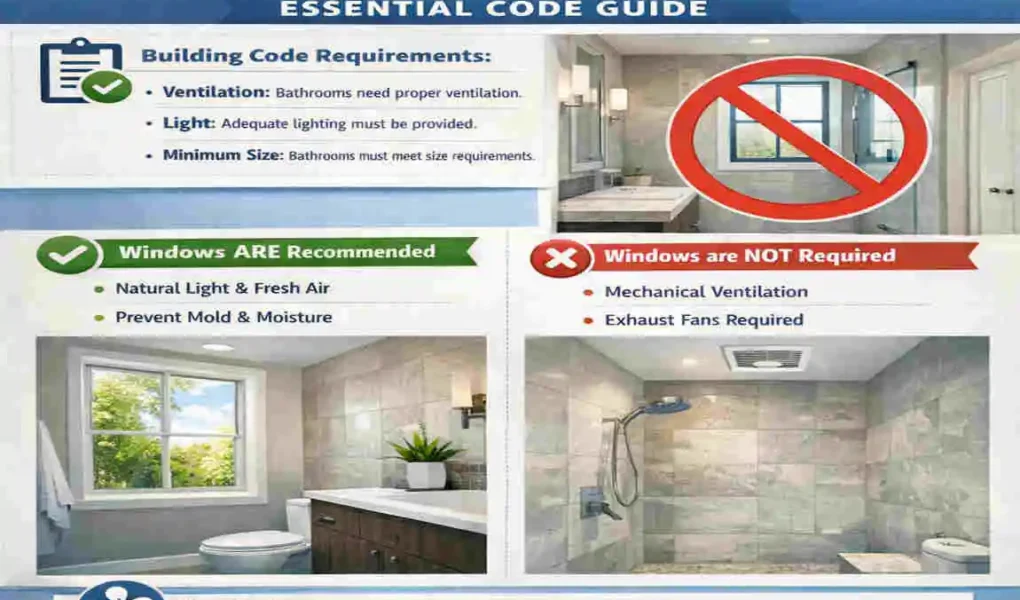
Have you ever wondered if bathrooms need windows to pass inspection or stay mold-free? It’s a question many homeowners and builders ask, especially as modern homes evolve. With the rise of advanced ventilation systems, the traditional idea that every bathroom must have a window is being challenged. But what do the building codes say? And what are the real benefits and drawbacks of having a window in your bathroom?
Why the Debate on Windows in Bathrooms Continues
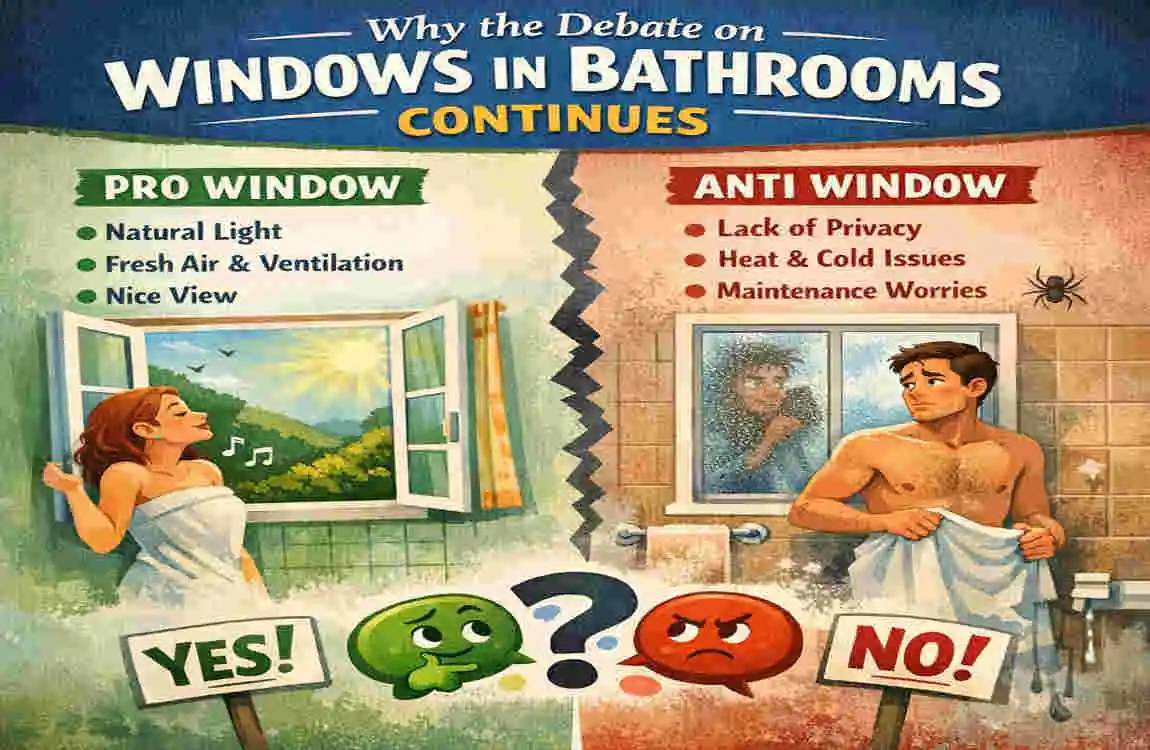
Bathrooms have long been associated with windows. Historically, windows were the go-to solution for ventilation and natural light. But as homes became more airtight and urban living more common, the role of windows in bathrooms started to shift.
The Evolution of Bathroom Ventilation
In older homes, windows were often the only way to let out steam and odors. Opening a window after a shower was a simple way to reduce moisture and prevent mold. However, modern homes now rely heavily on mechanical ventilation systems—exhaust fans that actively pull humid air out of the bathroom.
This shift has sparked debate. Some people believe that windows are essential for preventing mold and keeping bathrooms fresh, while others argue that a good exhaust fan can do the job just as well, if not better.
Common Myths About Bathroom Windows
One popular myth is that windows alone can prevent all mold and mildew. The truth is, windows help only if they are opened regularly, which isn’t always practical in cold or rainy climates. Exhaust fans, on the other hand, provide consistent ventilation regardless of the weather.
Another misconception is that windowless bathrooms are always dark and uninviting. With advances in lighting design, even windowless bathrooms can feel bright and welcoming.
Privacy and Urban Living
In urban areas, about 30% of homes skip bathroom windows to maintain privacy and maximize wall space for fixtures home-building-answers. This trend is growing as more people live in apartments or tightly packed neighborhoods.
As we move forward, building codes have adapted to these changes, focusing more on ventilation effectiveness than on the presence of windows.
Do Bathrooms Need Windows? Legal Requirements by Code
When it comes to building or remodeling, local and international building codes are the ultimate authority on whether your bathroom needs a window. Let’s break down the key regulations.
International Residential Code (IRC) Basics
The International Residential Code (IRC) is widely adopted across the United States and sets the baseline for bathroom ventilation.
- According to IRC R303.3, bathrooms must have either:
- A glazed window (operable) with a minimum area of 1.5 square feet, or
- A mechanical ventilation system that exhausts air to the outside.
This means you don’t necessarily need a window if you have a properly sized exhaust fan home-building-answers.
US State and Local Variations
Building codes can vary significantly by state and even city.
- California tends to be stricter, often requiring natural light in addition to ventilation, especially in new builds.
- Texas, on the other hand, allows bathrooms to rely solely on mechanical fans without windows.
Always check your local building department for specific rules.
UK and Global Rules
In the UK, the Building Regulations do not mandate windows in bathrooms if the ventilation system meets airflow requirements.
- The standard is an extract fan with a minimum airflow of 15 liters per second (L/s).
- This means a windowless bathroom is perfectly legal as long as the fan is effective.
Code Comparison Table
Region Window Required? Ventilation Alternative Min Size/Airflow
IRC (US) No, if vented Exhaust fan 50 CFM 1.5 sq ft window
UK No 15 L/s fan N/A
California , often yes, Fan + humidity sensor varies
This table highlights how codes prioritize ventilation effectiveness over mere window presence.
Benefits of Bathroom Windows in Modern Designs
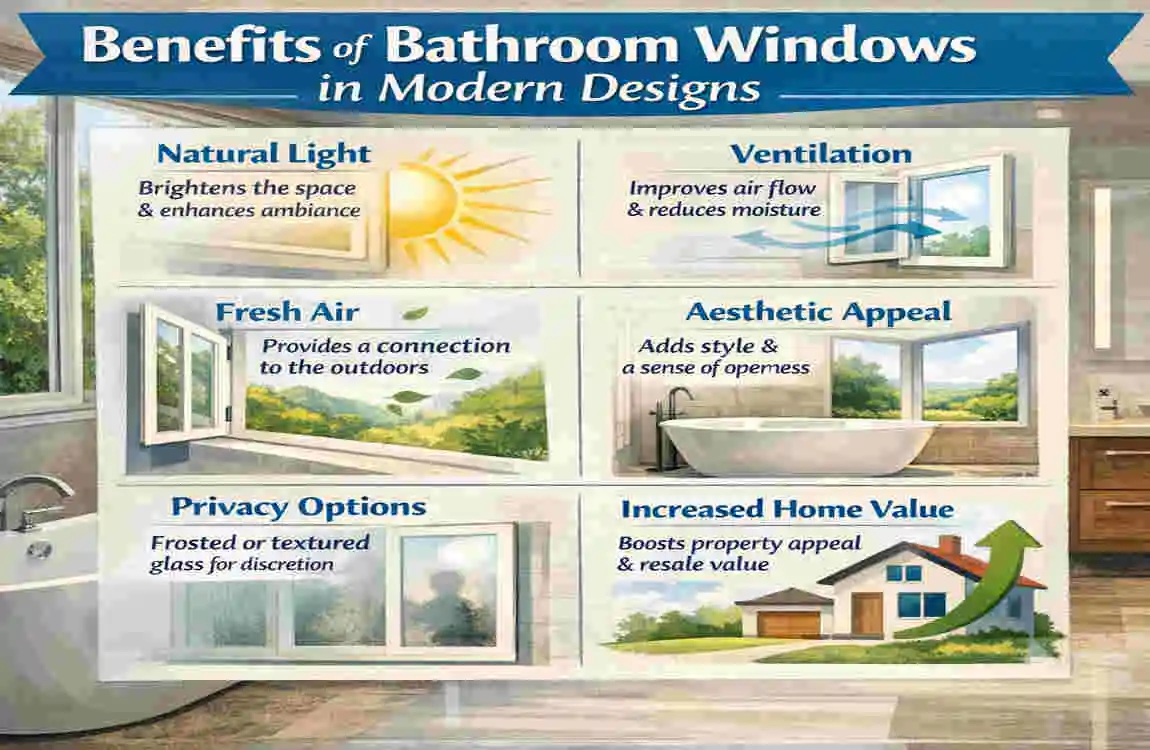
Even though windows aren’t always required, they still offer some unique advantages that many homeowners appreciate.
Natural Ventilation and Mold Prevention
Windows provide natural airflow, which can reduce bathroom humidity by up to 20% when opened after showers greeny place. This helps prevent mold growth and keeps the space fresh without using electricity.
Light, Mood, and Resale Value
Natural light is a huge mood booster. Studies show that 80% of homebuyers prefer bathrooms with natural light home-building-answers. A bright bathroom feels larger, cleaner, and more inviting.
Plus, natural light means you can save on electricity during the day by turning off artificial lights.
Aesthetic and Wellness Perks
Windows can add a spa-like ambiance to your bathroom, especially when paired with frosted or textured glass for privacy. This design trend is popular in modern homes, aiming for a relaxing, wellness-focused vibe.
Drawbacks of Windows and Windowless Alternatives
While windows offer benefits, they also pose challenges, especially in modern urban settings.
Privacy, Cost, and Moisture Risks
Windows can compromise privacy, especially if your bathroom faces a neighbor or the street. This often means adding treatments like frosted glass, blinds, or curtains, which can add cost and maintenance.
Windows also add to construction and energy costs, as they can be points of heat loss or gain.
Top Exhaust Fan Options
For windowless bathrooms, exhaust fans are essential. Experts recommend fans with at least 50 CFM (cubic feet per minute) capacity to remove moisture [besthomeremodelingaz] effectively.
- Ducted fans vent air outside and are more effective.
- Ductless fans recirculate air through filters but are less common.
- Smart fans with humidity sensors automatically turn on when moisture rises, improving efficiency.
Hybrid Solutions
Some modern designs use operable vents or light tubes to bring in natural light without compromising privacy or space. These hybrid options offer a middle ground between windows and fans.
Pros and Cons Comparison Table
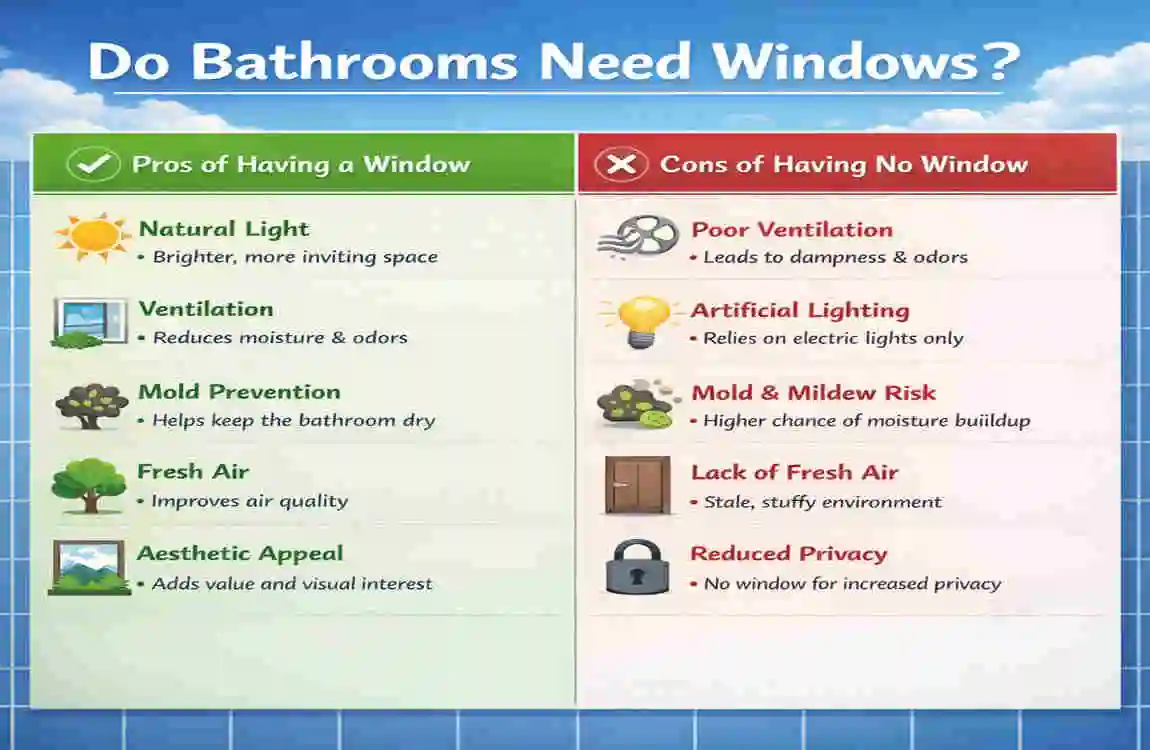
Feature With Window Without Window (Fan)
Ventilation : Natural, free, Mechanical, reliable
Cost : Higher installation cost , Lower upfront cost
Privacy can be challenging , excellent
Mold Risk Low if the window is opened, Low if the fan is 50 CFM or more
Modern Appeal High (spa-like vibe) Sleek, compact
This table helps you weigh the practical and aesthetic factors when deciding on bathroom windows.
How to Check Your Local Bathroom Codes
Before you start any bathroom project, it’s crucial to understand your local building codes.
Steps to Verify Codes
- Contact your local building department: They can provide the most accurate and up-to-date requirements.
- Use the ICC (International Code Council) website: It offers access to model codes and amendments.
- Check for remodel vs. new build rules: Some areas have different standards for renovations.
- Get permits if needed: Changes to ventilation or windows often require official approval.
- Consult a professional inspector or contractor: They can help interpret codes and ensure compliance.
Following these steps will save you headaches and ensure your bathroom passes inspection smoothly.
Designing Windowless Bathrooms That Thrive

Windowless bathrooms don’t have to feel cramped or gloomy. With smart design, they can be just as comfortable and stylish.
Lighting Solutions
- Use LED mirrors with built-in lights to brighten faces and spaces.
- Install recessed ceiling lights for even illumination.
- Consider color temperature: warmer lights create a cozy feel, cooler lights mimic daylight.
Mold-Resistant Materials
Choose mold-resistant tiles, paints, and grout to keep moisture problems at bay. These materials are designed to withstand humidity and are easy to clean.
Real-Life Success Stories
Many modern homes have successfully embraced windowless bathrooms. For example, some luxury apartments use high-quality ventilation and lighting to create fresh, inviting spaces without windows.
Window Treatments for Compliant Bathrooms
If you have a bathroom window, privacy and moisture control are key concerns.
Popular Window Treatments
- Frosted window film: Affordable and easy to apply, it obscures views while allowing light to enter.
- Humidity-proof blinds: Designed to resist mold and warping.
- Curtains made from moisture-resistant fabric: add softness and privacy.
DIY vs. Professional Installation
Simple films and blinds can be DIY projects, but for custom treatments or tricky windows, professional installation ensures durability and a perfect fit.
FAQ: Do Bathrooms Need Windows? Quick Answers
Q: Do bathrooms need windows by code?
A: No, as long as there is proper mechanical ventilation, windows are not mandatory.
Q: What is the best fan for a windowless bathroom?
A: A fan rated at 80 CFM with a timer or humidity sensor is ideal .
Q: Can I add a window later?
A: Yes, but check structural codes and permits before making changes.
Q: Are windowless bathrooms more prone to mold?
A: Not if they have effective ventilation and moisture-resistant materials.
Q: Do all states follow the IRC?
A: Most do, but some states have stricter or different rules.
Q: Can I use a ductless fan?
A: Ductless fans are less effective and usually not code-compliant for moisture removal.
Q: What about natural light without windows?
A: Light tubes or skylights can bring in daylight without traditional windows.