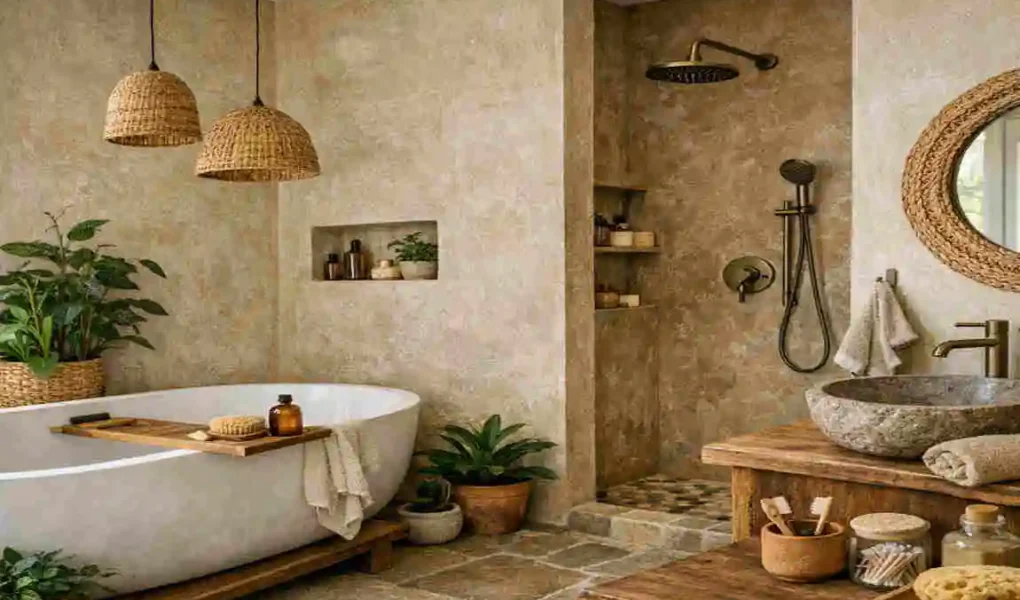
Renovating a bathroom is a thrilling project. You get to pick out new tiles, perhaps a shiny new vanity, and imagine the relaxing spa-like atmosphere you’re about to create. But then comes the question of the walls. You want something that looks beautiful, but more importantly, you want a home that is safe and healthy for your family. This brings us to a growing trend in home improvement: going green. You might be standing in the paint aisle or browsing online, asking yourself the big question: Can you use natural paint successfully in bathroom renovations?
The short answer is yes—but it is not as simple as grabbing any can off the shelf. Bathrooms are unique environments. They are wet, humid, and prone to drastic temperature changes. While traditional paints are loaded with chemicals to fight these elements, they often come at the cost of air quality. Natural paints offer a breath of fresh air, quite literally.
What Is Natural Paint?
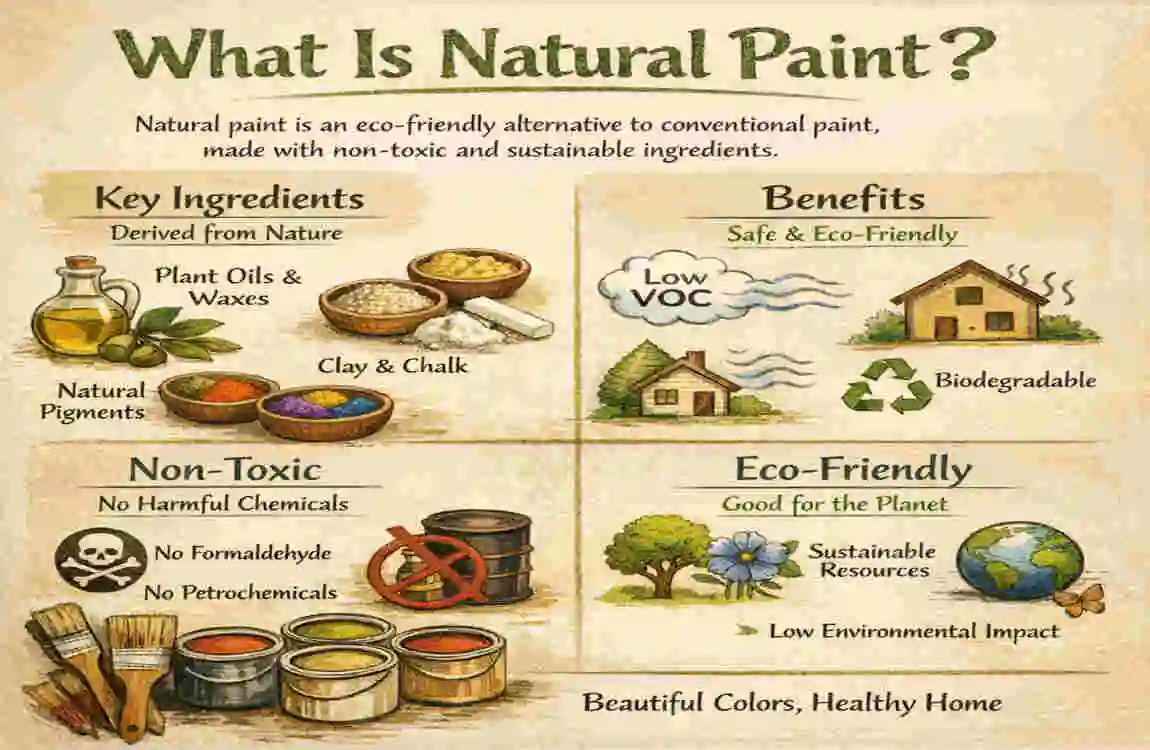
Before we decide if it belongs in your shower room, we need to understand what “natural paint” actually means. In a world full of “green-washing,” where every product claims to be eco-friendly, true natural paints stand out for their ingredients.
The Ingredients: Nature’s Palette
Unlike conventional latex or acrylic paints, which are essentially liquid plastics derived from petroleum, natural paints go back to basics. They are formulated using ingredients that you could almost find in a kitchen or a garden. We are talking about plant resins, essential oils, milk proteins (casein), natural latex, beeswaxes, and earth minerals for pigments.
When you open a can of eco-friendly bathroom paint, you won’t be hit with that dizzying chemical smell. Instead, you might smell citrus, pine, or simply an earthy aroma. This is because the binders—the “glue” of the paint—are made from things like lime putty or milk protein rather than synthetic polymers.
Breathability and VOCs
The biggest selling point for natural wall finishes is their impact on indoor air quality. Conventional paints release Volatile Organic Compounds (VOCs). These are invisible chemicals that off-gas into your home for years after the paint has dried, contributing to headaches, dizziness, and respiratory issues.
Natural paints are typically zero-VOC paints or extremely low-VOC. But their benefits go beyond just what isn’t in them. It is about what they do. Natural paints are often “breathable.” Think of it like wearing a cotton shirt versus a plastic raincoat. A plastic raincoat traps your sweat, leaving you clammy. A cotton shirt lets moisture escape. Conventional paint seals your walls like plastic. Natural paint allows the wall structure to “breathe,” letting moisture pass through without getting trapped behind the paint film. This is a crucial feature when we discuss bathroom humidity resistance.
Here is a quick breakdown of how natural options stack up against the standard cans you find at the hardware store:
FeatureNatural PaintConventional Paint
Primary Ingredients : Milk protein, lime, plant resins, earth pigments , petroleum byproducts, synthetic polymers, chemical solvents
VOC Levels Zero to Very Low High (unless specified otherwise)
Breathability High (allows moisture to escape) Low (traps moisture)
Odor: Earthy, mild, or citrus-like. Strong chemical smell
Bathroom Suitability Yes, with proper prep and sealing Standard (often contains mildewcides)
Challenges of Bathrooms
To understand why people hesitate to use natural products in this specific room, we have to look at the environment itself. The bathroom is arguably the harshest room in your house for wall finishes.
The Humidity Factor
Every time you take a hot shower, you are creating a tropical microclimate. Humidity levels can spike from a normal 40% to 90% or more in a matter of minutes. When that warm, moist air hits cooler walls, condensation forms. You see this in your mirror every morning.
For paint, this is a nightmare. Water sitting on the surface of a wall can soften the paint film. If the paint isn’t water-resistant, it can start to bubble, peel, or wash away. This is the primary concern when asking, “Can you use natural paint on bathroom surfaces?” Some natural paints, like basic chalk paints, are water-soluble. If you splashed water on them, they would literally wipe off.
The Mold and Mildew Battle
Where there is moisture, there is mold. Conventional bathroom paints often contain biocides—harsh additives designed to kill mold spores. Natural paints don’t usually have these harsh chemicals. Instead, they rely on different properties. High-pH paints, like lime wash, are naturally anti-bacterial and mold-resistant because mold cannot grow in such an alkaline environment.
However, if you have poor ventilation and damp drywall, even the best paint will struggle. The risk with sustainable home painting in wet zones is that if you choose the wrong type of natural paint or fail to seal it, the paint could absorb too much water, providing a breeding ground for mildew rather than preventing it.
Can You Use Natural Paint at Bathroom?
Now we arrive at the core question: Can you use natural paint effectively in bathroom renovations?
The answer is a definitive yes. However, it comes with a few conditions. You cannot simply slap a coat of basic clay paint right next to your bathtub and hope for the best. You have to be strategic.
The Nuanced “Yes”
You can achieve stunning, waterproof results with natural paints if you choose the right formulation and apply the correct finish. The industry has come a long way. Modern natural paints are not just for dry living rooms; specific lines are engineered to handle moisture.
The Pros:
- Eco-Safe: You are eliminating toxins from a small, often enclosed room. Bathrooms are usually small spaces with limited airflow compared to the rest of the house. Using low-VOC natural paints means you aren’t breathing in chemicals while you brush your teeth.
- Aesthetics: Natural paints offer a depth of color and texture that synthetic paints cannot mimic. They have a matte, velvety finish that absorbs light beautifully, creating a spa-like serenity.
- Breathability: As mentioned, the ability for the paint to “breathe” means that if moisture does get into the wall, it can get out again, rather than rotting the drywall from the inside out.
The Cons:
- Sealing Required: Many natural paints are porous. To make them natural paint bathroom waterproof, you often need to apply a secondary sealer, like a natural wax or oil.
- Cost: You might pay a Premium. While a gallon of standard paint might be $30-$40, high-quality natural paints can range from $50 to $80 per gallon.
- Maintenance: These walls may need a little more love. You might need to re-wax them every year or two to maintain that water barrier.
Real-World Durability
Homeowners who have made the switch often report that with the right sealer, their natural painted walls last just as long as conventional ones—often 2+ years without needing a touch-up. For example, milk paint for bathrooms is incredibly hard and durable once it cures (hardens) over a few weeks. It bonds to the substrate rather than just sitting on top.
Imagine a bathroom where the walls feel soft to the touch, and the air smells clean immediately after painting. That is the reality for users of brands like BioShield or Old Fashioned Milk Paint, provided they follow the instructions.
Best Natural Paints for Bathrooms
Which specific cans should you be reaching for? Not all natural paints are created equal when it comes to H2O. Here are the top contenders for moisture-resistant natural paint.
Milk Paint + Natural Sealer
Milk paint is an ancient formula. It comes in a powder that you mix with water. It is biodegradable, non-toxic, and creates a beautiful, mottled, old-world look.
- Why it works: On its own, milk paint is porous. But, when you seal it with a natural hemp oil or a beeswax finish, it becomes incredibly water-resistant. It is fantastic for bathroom cabinets or walls that don’t get direct shower spray.
- Best for: Vanities, cabinets, and walls in half-baths or well-ventilated full baths.
BioShield Aqua Resin
This is often cited as the gold standard for wet walls. It uses tree resins and other plant-based binders to create a surface that is much closer to the durability of an eggshell acrylic paint.
- Why it works: It is designed to withstand humidity. It is a “film-forming” natural paint, meaning it creates a tougher barrier than a simple clay wash.
- Best for: Full bathrooms, including walls near the shower (though not in the shower stall).
Lime Wash
Lime paint is made from limestone putty.
- Why it works: It has a very high pH, making it naturally mold and mildew-resistant. It creates a stunning, cloudy visual effect.
- Best for: Ceilings and upper walls where mold is a concern, provided the ventilation is decent.
Clay Paint For Low-Steam Zones
Clay paints are beautiful and absorb humidity well, releasing it later. However, they can be soft.
- Why it works: They regulate humidity.
- Best for: Powder rooms or guest bathrooms that don’t see heavy daily showers.
Top Product Comparison
Paint TypeDurability in Wet AreasEst. Price/GalBest Application
BioShield Aqua Resin High ~$60 High-moisture walls
Milk Paint (Sealed) Medium-High ~$40 Cabinets & Vanities
Lime Wash High (Mold Resistant) ~$55 Ceilings & Upper Walls
Clay Paint Low-Medium ~$50 Powder Rooms
Surface Prep Steps
If you take one thing away from this guide, let it be this: Preparation is more important than the paint itself. This is doubly true for using natural paint in bathrooms. Because natural paints don’t contain aggressive chemical bonding agents, they rely on a clean, porous surface to grip.
The Deep Clean
Bathroom walls are covered in invisible soap scum, hairspray residue, and oils.
- Action plan: Mix a solution of white vinegar and warm water (50/50 mix). Using a sponge, scrub the walls thoroughly. The vinegar’s acidity cuts through soap scum and naturally kills surface mold spores. Rinse with clean water and—this is crucial—let it dry completely.
Repair and Prime
Natural paint creates a different texture than latex. It tends to highlight imperfections rather than hide them.
- Action plan: Fill any cracks or nail holes with a natural spackle. Once dry, you likely need a primer. Do not use a standard oil-based primer. Use a water-based, natural primer recommended by your paint manufacturer. This acts as a bridge between your old painted wall and the new natural paint.
The Sanding Step
Since many natural paints bond mechanically (they grab onto the surface texture), a glossy wall is your enemy.
- Action plan: Scuff-sand your walls with fine-grit sandpaper (120-grit). You aren’t trying to strip the paint, just rough it up so it feels like matte paper rather than slick plastic. Wipe away the dust with a damp cloth.
Test Your Humidity
Before you start painting, assess your room.
- Action plan: Ensure your exhaust fan is working perfectly. If you don’t have a fan, you must have a window. Natural paint needs airflow to cure properly. If the room is permanently damp, you need to address the ventilation before painting.
Application Guide
You have your bucket of eco-friendly bathroom paint, your brushes, and a prepped room. Let’s get that color on the wall.
Mixing and Consistency
If you are using milk or clay paint, you might be mixing powder with water.
- Tip: Use a whisk attachment on a drill for the smoothest consistency. Let the mixture sit for 15-20 minutes to allow the pigments to dissolve fully, then mix again. It should be the consistency of heavy cream.
The Painting Process
- Use Natural Tools: Synthetic brushes can sometimes react poorly or not hold natural paint well. Boar-bristle brushes are excellent for achieving that textured, hand-painted look.
- Thin Coats: Don’t try to get full coverage in one go. Natural paints work best in layers. Apply the first coat; it might look streaky. That is normal.
- Dry Time: Respect the dry time. Natural paints might dry to the touch quickly, but they cure slowly. Wait at least 4 hours between coats, or whatever the manufacturer suggests.
- Ventilation: Keep the window open or the fan running. Even though there are no toxic fumes, the airflow helps the water evaporate, hardening the paint.
Sealing the Deal
This is the step that makes the answer to “can you use natural paint on bathroom walls” a success.
- Once the final coat is bone dry (give it 24 hours), apply your sealer.
- Wax: Use a clear furniture wax or beeswax paste. Rag it on in circular motions. This repels water droplets immediately.
- Oil: Hemp oil or tung oil can be brushed on. It soaks in and hardens.
- Varnish: Some brands offer a water-based natural varnish for a higher sheen and protection.
Maintenance Tips
Living with natural walls is different from living with latex walls. You are caring for a natural surface.
- Gentle Cleaning: Put away the bleach and the abrasive scrubbing pads. These will strip your wax sealer and damage the paint. Instead, use a soft cloth with warm water and a little mild dish soap, or a dedicated pH-neutral cleaner.
- Watch for Wear: Keep an eye on the areas near the sink and towel racks. If you see water stops beading up and starting to soak in (darkening the paint), it is time to re-seal.
- Annual Refresh: It is a good idea to apply a fresh coat of wax in high-splash zones once a year. It takes 10 minutes but extends the life of your paint indefinitely.
- Monitor Humidity: Keep using that exhaust fan! Keeping humidity down is the best way to protect any paint, natural or synthetic.
Cost and ROI

Is it worth the extra effort and money?
- Initial Cost: Yes, you will likely spend 20-50% more on materials than would be for a budget purchase. ROI: The value of zero-VOC paints is hard to quantify but undeniable. You are reducing the “toxic load” on your body.
- Home Value: Sustainable homes are in demand. Being able to list your home as having “eco-friendly, non-toxic finishes” is a selling point for modern buyers.
- Longevity: Because natural paints don’t peel like latex (they fade or wear down gradually), you don’t have the nightmare of scraping flaking paint in 5 years. You can often paint right over them.
FAQ
Can you use natural paint effectively on bathroom walls? Yes, as long as you choose a moisture-resistant formula (like lime or resin-based paint) or seal a porous paint (like milk paint) with wax or oil.
Is milk paint waterproof enough for a bathroom? On its own, no. Milk paint is porous. However, once you seal it with a quality hemp oil or wax topcoat, it becomes highly water-resistant and suitable for bathroom walls and cabinets.
Does natural paint prevent mold in bathrooms? Many natural paints, specifically lime wash, have a high pH, which naturally inhibits mold growth. However, they are not a substitute for proper ventilation. You still need an exhaust fan to remove moist air.
How do I clean natural painted walls in a bathroom? Use a soft cloth and a mild solution of water and vinegar or dish soap. Avoid harsh chemicals, bleach, or abrasive scrubbers, as these can strip the natural sealers.
How long does natural paint last in a humid bathroom? With proper preparation and sealing, natural paint can last as long as conventional paint. You may need to reapply a wax sealer every year or two in high-splash areas to maintain water resistance.