Metal roofing is no longer a niche choice. It has become a strong design feature in contemporary residential architecture, and more homeowners are noticing it every year. In fact, modern homes with metal roofs are now showing up everywhere, from minimalist city houses to bold countryside builds. The reason is simple: metal roofs look clean, perform well, and fit the crisp lines that define modern design.
Still, choosing the right metal roof is not always easy. Many homeowners feel stuck between material types, profile styles, colors, and price ranges. Some worry about noise. Others worry about heat, rust, or whether the roof will suit their home’s overall look. That confusion is understandable. The market offers many options, and not everyone works equally well for contemporary homes.
Architectural Compatibility
Modern architecture is all about simplicity, 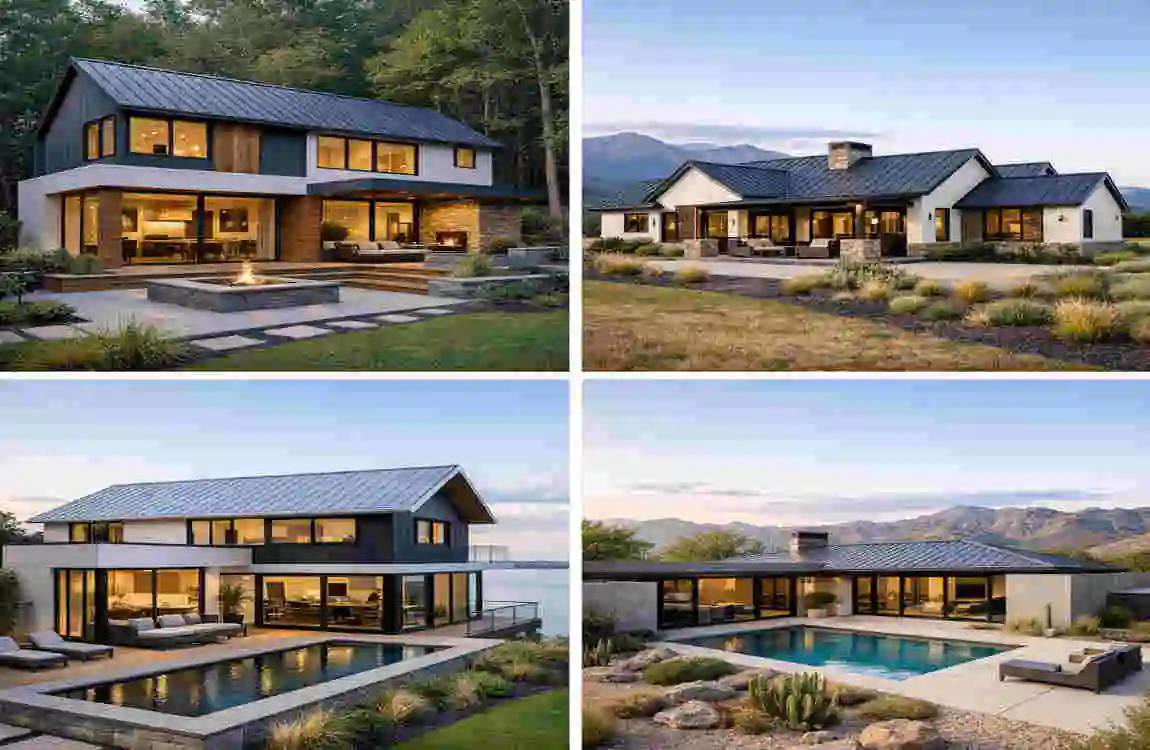 balance, and clean visual lines. Metal roofs fit this style beautifully. Their smooth surfaces and sharp edges match the straight geometry found in many contemporary homes. Instead of competing with the architecture, a metal roof often strengthens it.
That is one reason modern homes with metal roofs often look more cohesive than homes using heavy, textured roofing materials. A metal roof can make the entire structure feel more intentional. It can connect the roofline to the walls, windows, and exterior cladding in a way that feels neat and polished.
For homeowners who care about design, this matters a lot. A roof is not just a protective cover. It is one of the biggest visual elements of the house. When you choose metal, you are choosing a material that can support the clean, modern feel you want.
Durability and Longevity
One of the strongest reasons to choose metal roofing is simple: it lasts. A well-installed metal roof can last 40 to 70 years, and some materials last even longer. That is a major improvement over asphalt shingles, which often need replacement after 15 to 25 years.
This longer life means less stress over time. You do not need to worry about replacing the roof every couple of decades. You also spend less on repeated repairs and tear-offs. That is why many builders and architects now recommend metal roofs for modern homes, where long-term value matters.
Metal roofs also withstand harsh weather well. They perform well in heavy rain, strong wind, snow, and even hail when the right product is selected. If your area faces extreme weather, metal can offer peace of mind that cheaper materials may not provide.
Energy Efficiency Benefits
Metal roofs can also help control indoor temperature. Many products use cool roof technology, which reflects more sunlight and reduces heat buildup. That can make a noticeable difference in hot weather, especially in homes with large roof areas.
In some cases, homeowners see energy savings of 15% to 25%, depending on climate, insulation, and roof design. That makes a metal roof more than just a style choice. It becomes part of a smarter, more efficient home.
Metal roofing also works well with solar panels. If you plan to add solar later, a metal roof can support that goal without creating compatibility problems. For modern homes with metal roofs, this is a major benefit because energy-conscious design is often part of the overall plan.
Environmental Sustainability
Many homeowners today want a roof that supports sustainability, not waste. Metal roofing is a strong option here too. Many metal products contain 25% to 95% recycled content, and the material is fully recyclable at the end of its life.
That means less landfill waste compared with asphalt shingles, which are often discarded after replacement. If environmental impact matters to you, metal is one of the better choices available.
This is another reason modern homes with metal roofs fit current design values so well. They often combine beauty, function, and responsibility into a single system.
Types of Metal Roofing Materials for Modern Homes
Steel Roofing
Steel is one of the most common choices because it offers a strong mix of strength and value. It works well with many modern home styles and offers homeowners several coating options.
Galvanized Steel
Galvanized steel is coated with zinc to help protect it from corrosion. It is often the more budget-friendly steel option, making it attractive to homeowners who want metal roofing without pushing the project too far over budget.
It is best for buyers who want a practical roof with solid performance at a reasonable price. If you are looking at modern homes with metal roofs and trying to control upfront costs, galvanized steel may be worth considering.
Galvalume Steel
Galvalume steel uses an aluminum-zinc coating, which gives it better corrosion resistance than galvanized steel in many situations. It often performs especially well in damp or coastal conditions.
This makes it a popular choice in areas where moisture or salt air can cause problems for less-protected materials. For many homeowners, Galvalume offers a better balance of cost, durability, and appearance than standard galvanized steel.
Aluminum Roofing
Aluminum is lightweight, naturally corrosion-resistant, and easy to work with. It is especially useful in humid climates or coastal areas where rust can be a concern.
One big advantage is weight. Aluminum is about one-third the weight of steel, which can reduce stress on the structure. That matters if you are renovating an older home or want to reduce the load on the framing.
It is also a strong choice for modern homes with metal roofs in hot or moist climates because it resists corrosion. The trade-off is that aluminum usually costs more than steel. Still, many homeowners feel the added protection is worth it.
Copper Roofing
Copper is the Premium option. It is known for its rich appearance and its ability to age beautifully over time. At first, copper has a bright metallic look. Over the years, it develops a distinctive patina that many architects and designers love.
Copper roofs can last 100 years or more, making them among the longest-lasting roofing materials available. They are often used in luxury homes or highly customized contemporary designs where the roof is intended as a visual feature.
Of course, copper is expensive. It can cost $20 to $40 per square foot or more, depending on installation and design complexity. But for homeowners who want a standout roof with a high-end feel, it can be a smart investment.
Zinc Roofing
Zinc is another Premium metal that has become popular in modern European-inspired design. It has a sleek look, low maintenance needs, and what many installers call self-healing properties. Small scratches can blend in over time as the surface naturally forms a protective layer.
Zinc roofs can last 80 to 100 years, making them a strong long-term option. They also fit very well with ultra-modern homes that use simple forms and minimal exterior detailing.
If you want your roof to feel refined, architectural, and slightly different from the usual choices, zinc is worth serious attention. It is especially appealing for modern homes with metal roofs that aim for a clean, timeless look.
Metal Roof Profiles and Styles for Contemporary Design
Standing Seam
Standing seam is often the top choice for modern architecture. It uses hidden fasteners, which means you do not see the screws from the outside. That creates a very clean and smooth look.
The vertical lines of a standing seam roof add rhythm and structure to the home without making it feel busy. This is why it is often considered the preferred choice for modern homes with metal roofs.
It also performs well in practical terms. Because the panels are designed to allow expansion and contraction, the system handles temperature changes more smoothly. It also tends to be more weather-tight than exposed fastener systems.
The downside is cost. Standing seam usually costs 15% to 25% more than simpler exposed fastener systems. Still, many homeowners see the extra cost as worth it for the visual quality and performance.
Corrugated Metal
Corrugated metal has a ridged, wavy surface that gives it a more industrial or farmhouse-style appearance. It is often associated with budget-friendly builds, but when used well, it can look stylish and bold.
This profile usually uses exposed fasteners, which makes it less expensive than hidden-fastener systems. It is a good fit for modern farmhouse homes, industrial-inspired houses, or creative designs that want a slightly raw and honest look.
For homeowners who want a more affordable entry point into metal roofing, corrugated panels can be a practical option. They may not be the first choice for every modern design, but they can work very well when paired with the right exterior materials.
Metal Shingles and Tiles
Metal shingles and tiles are made to mimic the look of traditional roofing materials such as slate or wood shake. This makes them useful for homeowners who want the durability of metal but prefer a more familiar roof shape.
These products often have more profile variation than flat panels, which can create a richer visual texture. That said, they may not feel as sleek as standing- or flat-seam systems.
They are a strong choice if you want some modern benefits without fully committing to a minimal look. They can work nicely on homes that mix contemporary and classic influences.
Flat Seam Panels
Flat seam panels create one of the most minimalist roof looks available. The panels sit very close together, creating a nearly flat surface. This gives the roof a smooth, architectural quality that many designers love.
This style works especially well for high-end contemporary homes where the roof should feel understated but precise. It can look elegant, sharp, and highly intentional.
The main point to remember is that flat seam systems demand expert installation. Even small mistakes become visible. If you want this style, make sure you hire a contractor who has real experience with modern homes with metal roofs and precision panel work.
Color Selection Guide for Modern Homes with Metal Roofs
Popular Color Trends in 2026
Color choice changes the personality of the whole house. In 2026, some of the most popular metal roof colors for modern design include matte black, charcoal, cool gray, slate, forest green, bronze, navy, and deep red.
Matte black and charcoal remain top choices because they create a bold but simple look. They work especially well with white walls, natural wood accents, and dark window frames. These colors help the roof feel integrated into the design rather than separate from it.
Cool grays and slate tones are also popular for homeowners who want a softer modern look. They feel clean, calm, and versatile.
Color and Heat Reflection
Color is not only about style. It also affects temperature. Lighter colors reflect more sunlight and help keep interior spaces cooler. Darker colors absorb more heat, which can increase roof temperature in hot climates.
That does not mean you must avoid dark colors. Many modern homes with metal roofs use black or charcoal beautifully. You need to think about climate, insulation, and whether the product includes a reflective coating.
Some modern coatings are designed to reduce heat absorption even in darker shades. That gives you more freedom to choose the look you want without sacrificing comfort.
Color Coordination with Exterior Materials
A roof should work with the rest of the house, not fight against it. When selecting a color, think about the siding, stone, brick, trim, and window frames together.
Here are a few helpful ideas:
- White or light siding often pairs well with black, charcoal, or dark bronze roofs.
- Brick exteriors look strong with slate, copper, deep gray, or muted green.
- Stone and stucco usually work well with natural shades like gray, tan, or bronze.
- Fiber cement and wood accents can handle bold contrast or earthy tones.
The goal is to create balance. A good color choice can make modern homes with metal roofs feel more refined and connected to the landscape.
Cost Analysis and Budget Planning
Material Cost Breakdown
Price is one of the biggest factors in decision-making, and it helps to compare materials clearly. The table below gives a simple view of common cost ranges.
Metal Type Cost per Square Foot Lifetime Cost
Galvanized Steel $3.50-$6.50 $0.10/year
Galvalume Steel $4.00-$7.00 $0.09/year
Aluminum $5.00-$9.00 $0.11/year
Zinc $12.00-$20.00 $0.18/year
Copper $20.00-$40.00 $0.25/year
These numbers are useful because they show more than just the upfront price. The lifetime cost tells a better story. A roof that costs more upfront may actually cost less over time if it lasts longer and requires fewer repairs.
This is one reason many buyers exploring modern homes with metal roofs consider more than just short-term savings. They look at the roof as a long-term system, not just a purchase.
Installation Costs
Installation can be a major part of the final budget. In many cases, labor makes up 40% to 50% of the total cost. That is why the contractor’s quality matters so much.
As a general guide:
- Standing seam installation may cost around $12 to $18 per square foot
- Exposed fastener systems may cost around $8 to $12 per square foot
Prices vary by region, roof complexity, and labor market. Local conditions matter a lot. For example, pricing in Lahore, Pakistan, may differ from pricing in the U.S. or Europe because of material availability, shipping, labor rates, and demand.
That is why you should always get multiple quotes. A low quote can be tempting, but it may hide weak artistry or lower-grade materials.
Long-Term ROI Calculation
Metal roofing often makes more sense when you view it as a long-term investment. Many homeowners recoup a large portion of the cost through resale value, energy savings, and reduced maintenance.
Some estimates suggest a metal roof can return 60% or more of its value at resale. That is a strong figure compared with many other home improvements.
You may also save on cooling costs over time. If your roof helps cut energy use over many summers, the savings add up. Add lower repair needs and possible insurance discounts, and the value becomes even stronger.
For buyers who plan to stay in the home long term, modern homes with metal roofs often offer greater financial comfort than cheaper roofing options that require frequent replacement.
Financing and Incentives
Depending on where you live, there may be incentives for energy-efficient roofing. Some homeowners can benefit from tax credits, local utility rebates, or green building programs.
These programs can make a Premium roof more affordable. They may also support broader sustainability goals or help earn certification points in a green building process.
If you are planning a replacement, ask your contractor or local building office about available programs. A small incentive can make a meaningful difference in the final budget.
Key Factors When Choosing Metal Roofs for Modern Homes
Climate Considerations
Your climate should guide your decision more than trends do. A roof that looks beautiful but performs poorly in your weather will become a problem later.
If you live in a hot climate, focus on high reflectance, strong emissivity, and cool roof coatings. These features help reduce heat buildup and improve comfort.
If your area gets heavy snow, think about load capacity and snow shedding. In very snowy regions, a slippery metal surface can help snow move off the roof more easily. Still, the system must be properly designed for safety.
In coastal areas, corrosion resistance becomes a top priority. Aluminum, Galvalume, and coated systems often perform better there than less protected materials.
For modern homes with metal roofs in Lahore, the main concerns are often heat, dust, and monsoon rains. That means you should look for heat-resistant finishes, strong water management, and durable flashing details.
Roof Pitch and Structure
Roof pitch affects both performance and style. Some metal systems work better on steeper slopes, while others can handle lower pitches with special design features.
Standing seam systems often have minimum pitch requirements, and low-slope roofs may need extra sealing or special underlayment. If your roof is flat or nearly flat, you must be very careful when selecting products.
You also need to consider structural load. Even though metal is generally lighter than many other roofing systems, the roof still needs to support the full assembly, including panels, fasteners, underlayment, insulation, and any snow loads.
If you are retrofitting an older home, ask for a structural review first. This is especially important when adapting modern homes with metal roofs to an existing frame that may not have been built for the same system.
Local Building Codes and HOA Rules
Building codes are not just paperwork. They affect safety, insurance, and approval. Before you choose a roof, check your local code requirements for fire rating, wind resistance, and installation standards.
A Class A fire rating is often recommended for residential roofing because it offers stronger protection. Wind uplift ratings also matter, especially in storm-prone regions.
If you live in a neighborhood with a homeowners association, review the design rules before buying materials. Some HOAs limit colors, sheen, or panel style.
The best roof in the world will still create problems if it does not meet local requirements. That is why code compliance should be part of your early decision-making process.
Contractor Selection Criteria
A metal roof is only as good as the person installing it. This is one of the most important points in the entire guide.
Look for a contractor who specializes in metal roofing, not just general roofing. Ask whether they have manufacturer training or certification. Check whether they have completed projects similar to yours, especially modern homes with metal roofs that match your style.
A good contractor should be able to explain material differences clearly and provide both material and artistry warranties. They should also show you references, past projects, and proof of insurance.
When you speak with contractors, pay attention to how they answer questions. A strong professional will explain details honestly. If someone gives vague answers or rushes you, that is a warning sign.
Installation Considerations and Best Practices
Timing and Season
The best time to install a roof depends on your climate, but mild weather is usually ideal. Extreme rain, snow, or heat can slow down the job and affect material handling.
A typical metal roof project for an average home may take 3 to 7 days, though complex roof shapes can take longer. Weather delays are common, so it is wise to leave some flexibility in the schedule.
If you are planning a replacement, think ahead. A well-timed installation can reduce stress and help the contractor work more efficiently.
Underlayment Requirements
Underlayment is the hidden layer beneath the metal panels, and it matters more than many homeowners realize. It helps protect the structure from moisture and adds an extra level of defense.
Synthetic underlayment is often preferred because it tends to perform better than traditional felt in many modern roof systems. In vulnerable areas, an ice-and-water barrier may also be needed to protect valleys, eaves, and other high-risk sections.
Vapor control is also important. If moisture becomes trapped, it can lead to condensation problems later. This is why modern homes with metal roofs need a properly designed roofing assembly, not just good-looking panels.
Ventilation Systems
Ventilation helps regulate temperature and moisture in the attic. Without proper airflow, even a great roof system can underperform.
Standing seam roofs often pair well with ridge vents and balanced attic ventilation. This helps move hot air out and supports a more stable interior environment.
Good ventilation also helps prevent condensation, which is especially important in humid climates or homes with strong daily temperature swings.
If you want your roof to last and perform well, ventilation should be part of the design from the beginning. Do not treat it as an afterthought.
Flashing and Trim Details
Flashing is one of the most important details in the whole roof. It protects areas where water is most likely to enter, such as valleys, walls, vents, and chimneys.
Quality flashing should match the roof material whenever possible. It should also be installed carefully and sealed properly. If flashing is done badly, even the best roof can leak.
Trim details also matter because they help complete the roof’s visual look. On modern homes with metal roofs, trim should feel clean, intentional, and well integrated with the overall design.
This is one area where professional skill really shows. A careful installer will treat flashing and trim as essential parts of the system, not as minor extras.
Maintenance and Longevity of Metal Roofs
Routine Maintenance
Metal roofs are low-maintenance, but they require no maintenance. A little care goes a long way.
It is smart to inspect the roof twice a year, usually in spring and fall. Check for debris, loose parts, blocked gutters, and visible damage. After major storms, it is also worth taking a closer look.
Cleaning should be gentle. Use methods approved for your roof type and avoid harsh tools that could scratch the finish. Gutters should be cleaned regularly because clogged gutters can cause water to back up along the roof edge.
A clean roof helps modern homes with metal roofs keep their strong appearance and performance for many years.
Common Issues and Solutions
Some issues are simple, while others need professional help. On exposed fastener systems, loose fasteners may appear over time and should be tightened or replaced by a qualified person.
Scratches should be handled carefully. Small cosmetic marks may not be serious, but more serious damage should be repaired to protect the finish.
Another issue is oil canning, which refers to visible waviness on the metal surface. It is not usually a sign of failure, but it can affect appearance. Good design, proper panel handling, and skilled installation help reduce the risk.
If something looks unusual, do not guess. A roofing professional can tell you whether it is a cosmetic issue or a real problem.
Expected Lifespan by Material
Different materials last for different lengths of time:
- Steel: 40 to 60 years
- Aluminum: 50 to 70 years
- Zinc: 80 to 100 years
- Copper: 100+ years
That means metal roofing can last 3 to 4 times longer than asphalt in many cases. For homeowners thinking long term, that difference is hard to ignore.
Common Mistakes to Avoid When Choosing Metal Roofs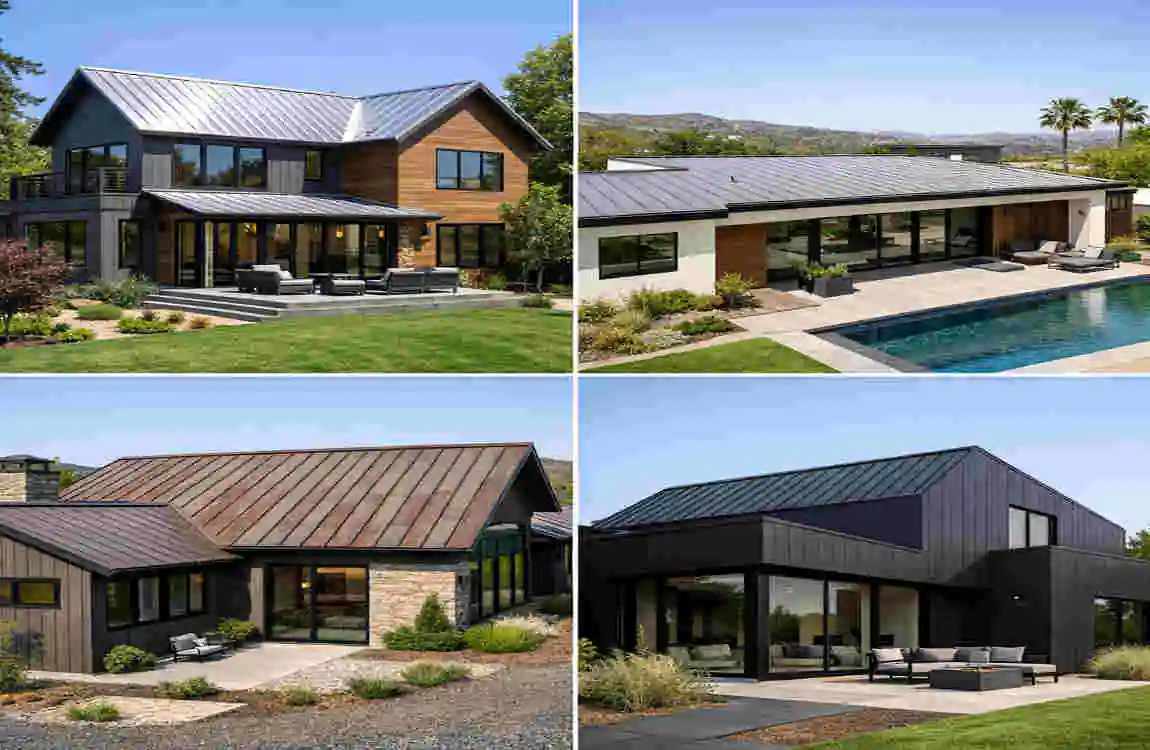
Cost-Focused Mistakes
A common mistake is choosing the cheapest material without thinking about the full life cycle. A low upfront price can lead to higher repair or replacement costs later.
Another mistake is trying to save money by hiring the wrong installer. A poor installation can damage even an excellent product.
It is better to think in terms of total cost of ownership. That includes installation, maintenance, lifespan, and resale value.
Aesthetic Mistakes
Not every metal roof style fits every modern home. A bold corrugated panel might work beautifully on one house and feel wrong on another. The same is true for color.
A roof color should support the full exterior design, including siding, trim, windows, and landscaping. If the color clashes, the whole home can feel off balance.
For modern homes with metal roofs, it is especially important to think about how the roof relates to clean lines, open spaces, and surrounding materials.
Technical Mistakes
Some homeowners skip key technical details. They may choose the wrong underlayment, ignore ventilation, or fail to plan flashing carefully.
These are not small issues. They can affect leak protection, energy performance, and long-term durability.
A good roof system is built from layers that all work together. If one layer is weak, the whole system suffers.
Case Studies: Successful Modern Homes with Metal Roofs
Contemporary Minimalist Home
A 2,500-square-foot minimalist home used a black standing seam roof to support its clean, geometric design. The result was a simple but strong exterior that matched the architecture perfectly.
After five years, the homeowner reported 22% annual energy savings and rated overall satisfaction at 5 out of 5. This is a good example of how the right roof can improve both looks and performance.
Modern Farmhouse
A modern farmhouse project used Galvalume corrugated metal in a rural setting. The material gave the home a practical, stylish feel without pushing the budget too far.
The total roof cost was around $18,000, and the system performed well for over 15 years. This shows how metal can fit both style and budget goals when selected carefully.
Luxury Eco-Home
A luxury eco-home used a copper standing seam roof and achieved LEED Platinum certification. The roof helped support the home’s sustainability goals while adding a refined visual finish.
With a 30-year warranty and about 40% energy reduction, the project shows how Premium materials can support both design and environmental performance.
FAQ
Are metal roofs noisy during rain?
Not usually. With proper insulation and underlayment, the difference in sound between metal and other roofing materials is much smaller than most people expect.
Can metal roofs withstand hail?
Yes, many can. Some products have Class 4 impact resistance, and many metal roofs can handle hail up to about 2.5 inches, depending on the system.
Do metal roofs attract lightning?
No. Metal roofs do not increase the risk of lightning strikes. If the home is properly grounded, there is no special danger compared with other roofing types.
How long does installation take?
Most average homes take about 3 to 5 days, but the timeline depends on roof size, complexity, weather, and crew experience.
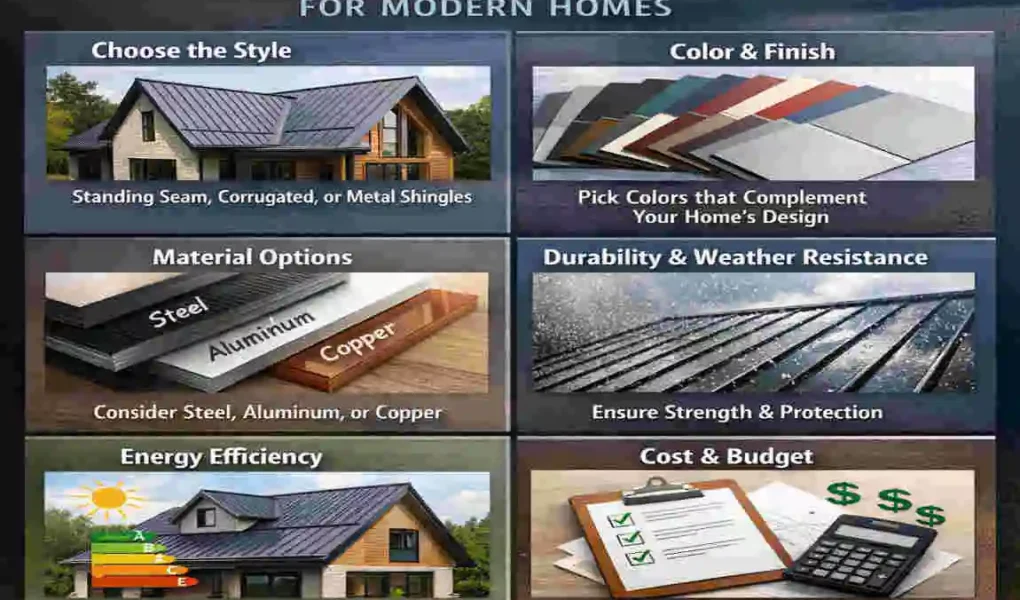
| Factor | What to Consider | Best Choice for Modern Homes |
|---|---|---|
| Material Type | Steel (gauge 22–26), Aluminum (coastal areas), Copper (premium) | Galvalume steel (durable, affordable) or aluminum (rust-resistant) |
| Panel Style | Standing seam, tile, shake, corrugated | Standing seam (sleek, modern look; wind/snow-resistant) |
| Color | Dark (cold climates: absorbs heat), Light (warm climates: reflects heat) | Slate/charcoal (modern neutral) or light metallic (energy-efficient) |
| Finish | Smooth (glossy) vs. powder-coated (matte, textured) | Powder-coated (enhanced durability, matte modern look) |
| Energy Efficiency | Reflectivity (cool roofs), snow-shedding | Reflective coatings (reduces cooling costs by 10–25%) |
| Durability | Warranty (30–50 years), coating quality | 50-year transferable warranty + paint/powder finish |