Imagine this: You’ve just finished a long, exhausting day of work in the heart of Lahore. You step through your front door, hoping for a sanctuary of peace. Still, instead, you are greeted by dusty shelves, a sticky kitchen counter, and that lingering smell of yesterday’s spicy dinner. We have all been there. In our busy modern lives, keeping a spotless home often feels like a second full-time job that we never applied for.
Many of us reach for the strongest chemicals we can find at the store, thinking that “stronger is better.” But as we move through 2026, we are realising that those harsh fumes aren’t just bad for the planet; they are tough on our lungs and our wallets, too. You want a home that sparkles, but you also want a home that is safe for your children and pets.
Why Eco-Friendly House Cleaning Tips Matter

As we navigate the middle of this decade, the way we manage our households is shifting. In Pakistan and across the globe, there is a massive push toward sustainable living. We are more aware than ever of how our choices impact the world around us. But “going green” isn’t just about saving the trees; it is about creating a healthier indoor environment for yourself.
The Health and Safety Factor
Traditional cleaning products often contain volatile organic compounds (VOCs). These are chemicals that turn into gas at room temperature and can cause headaches, skin irritation, or even respiratory issues. When you switch to eco-friendly house cleaning tips, you are essentially purifying the air in your home. You won’t have to hold your breath while scrubbing the bathroom anymore. For families with young kids who spend a lot of time playing on the floor, this shift is a game-changer.
Saving Money with DIY Hacks
Let’s be honest: specialised cleaning products are expensive. You have one bottle for the glass, one for the floor, one for the oven, and another for the wooden furniture. It adds up! Most of the house-cleaning tips for a spotless home I’m about to share use ingredients you probably already have in your pantry. By making your own solutions, you can save thousands of rupees every year.
Reducing Your Environmental Footprint
Every plastic bottle of cleaner we buy eventually ends up in a landfill or the ocean. By using reusable glass spray bottles and natural ingredients, you are drastically reducing your plastic waste. In 2026, zero-waste living is no longer just a trend; it is a necessity. Recent surveys show that over 80% of households now prefer green cleaning methods because they are effective and ethical.
To help you see the difference, look at this comparison between traditional cleaners and eco-friendly alternatives:
Feature: Traditional Chemical Cleaners, Eco-Friendly Natural Hacks
Cost High (Monthly recurring expense) Very Low (Pantry staples)
Safety: High risk of skin/eye irritation. Generally safe for skin and pets
Air Quality Leaves behind toxic fumes Leaves a fresh, natural scent
Waste : Heavy plastic packaging , minimal to zero waste
Versatility: Usually specific to one surface. One mix can clean multiple areas
Vinegar-Power Magic for Kitchen Sparkle
If there is one “superhero” ingredient in the world of house cleaning tips for a spotless home, it is white vinegar. This humble liquid is a powerhouse for cutting through the grease and grime that naturally builds up in a busy kitchen.
Why Vinegar Beats Chemicals
You might wonder how something as simple as vinegar can compete with a lab-made degreaser. It all comes down to science. Vinegar is acetic acid, which makes it incredibly effective at dissolving mineral deposits, grease, and even some types of bacteria. It is strong enough to kill germs but gentle enough not to damage your skin if you get a little on your hands.
Step-by-Step Eco Hack for the Kitchen
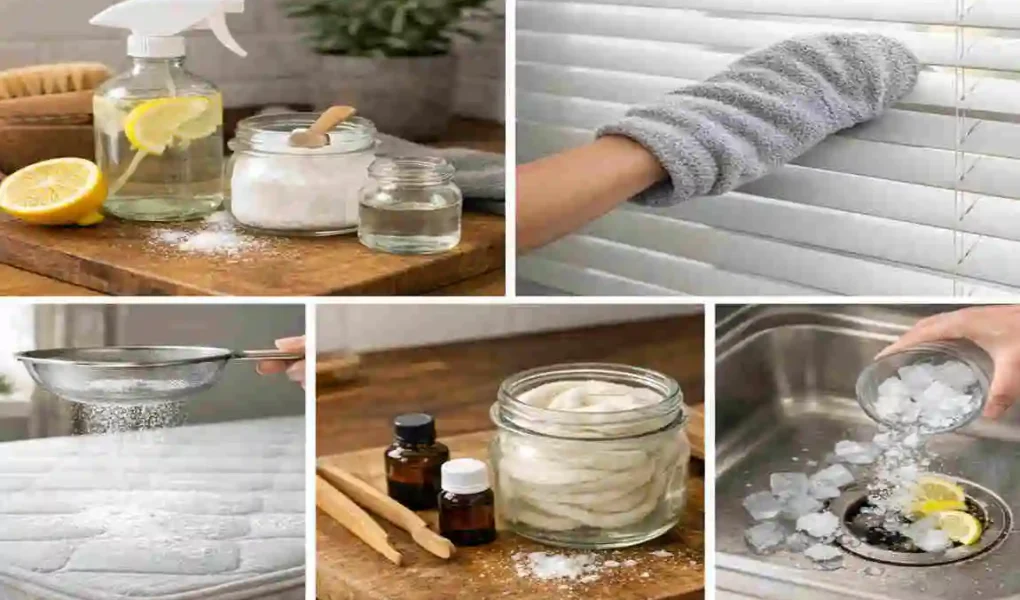
- The All-Purpose Magic Spray: Mix equal parts white vinegar and water in a spray bottle. To make it smell amazing, drop in a few lemon peels or a sprig of rosemary. Let it sit for a few days, and you have a powerful, fresh-smelling cleaner that works on almost any surface.
- The Stovetop Shine: After cooking a big meal, your stovetop is likely covered in oil splatters. Spray your vinegar mix directly onto the warm (not hot!) surface. Let it sit for five minutes. The acid will break down the fat, allowing you to wipe it away with a single pass of a cloth.
- The Fridge Refresh: Empty your fridge and wipe the shelves with a vinegar-water solution. Unlike soap, vinegar doesn’t leave a sudsy residue. It is excellent at neutralising those “mystery smells” that sometimes haunt the back of the refrigerator.
Baking Soda Blitz for Bathroom Bliss
While vinegar handles the grease, baking soda is your best friend for anything that needs a good scrub. If you want a spotless home, you have to tackle the bathroom, and baking soda makes this much easier than you’d think.
The Ultimate Scrub Secret
Baking soda (sodium bicarbonate) is a mild abrasive. This means it can scrub away tough stains without scratching delicate surfaces like porcelain or tiles. It also acts as a natural deodoriser, absorbing bad smells rather than just masking them with heavy perfumes.
Step-by-Step Eco Hack for the Bathroom
- The Tub and Sink Scrub: Wet the surface of your bathtub or sink. Sprinkle a generous amount of baking soda over it. Let it sit for a minute, then use a damp sponge to scrub in a circular motion. You will see the soap scum lift away instantly. Rinse with water for a brilliant shine.
- Grout Glow-Up: Grout is notorious for turning grey or brown over time. Make a thick paste using baking soda and a tiny bit of water. Apply it to the grout lines with an old toothbrush. Let it sit for 30 minutes, then give it a quick scrub and rinse. Your floor will look brand new!
- Mirror Mist: For a streak-free mirror, use a very diluted vinegar spray. If there are stubborn spots (like dried toothpaste), a tiny bit of baking soda on a damp cloth will buff them right out.
Real Results for a Spotless Home
Have you ever noticed how chemical bathroom cleaners make you cough? With the baking soda method, you can clean the entire bathroom with the door closed and never feel overwhelmed by fumes. It leaves the room feeling truly “clean”—not just “perfumed.” This is one of those house cleaning tips for a spotless home that provides immediate visual satisfaction.
Microfiber Revolution for Dust-Free Floors
In many Pakistani cities, dust is a constant battle. You clean the floor in the morning, and by evening, a thin layer of silt has returned. Traditional cotton mops and brooms often push this dust around or kick it up into the air. To get a truly spotless home, you need to change your tools.
Ditch the Mop Era
Microfiber is a synthetic fibre that is finer than a strand of silk. These tiny fibres are shaped like hooks, which means they actually grab and “trap” dust and dirt rather than move it. A high-quality microfiber cloth can hold up to seven times its weight in water and dirt.
Step-by-Step Eco Hack for Floors
- The Dry Sweep: Use a dry microfiber mop head to go over your marble or tile floors. The static electricity generated by the fibres attracts hair and fine dust. You will be shocked at how much more it picks up compared to a traditional broom.
- The Damp Wipe: For a deeper clean, dampen the microfiber cloth with just plain water. You don’t even need soap! The fibres are so effective that they can remove 99% of bacteria from a surface using only water. This is perfect for homes with toddlers crawling around.
- Rug Revival: If you have area rugs, take them outside and give them a good shake once a week. Then use a vacuum with a HEPA filter to remove deep-seated dust. Finish by wiping the edges of the rug with a damp microfiber cloth to catch any stray particles.
Minute Room Reset
One of my favourite house cleaning tips for a spotless home is the “10-minute reset.” Pick one room, grab a microfiber cloth, and wipe down only the flat surfaces (tables, TV stands, shelves). Because the cloth traps the dust, you won’t see it resettling five minutes later. Doing this daily keeps the dust levels in your home manageable and significantly reduces your “big clean” time on the weekends.
Essential Oil Sprays for Fresh, Chemical-Free Air
A spotless home isn’t just about how it looks; it’s about how it feels. And nothing ruins a clean vibe faster than a stale or “musty” smell. Instead of using aerosol sprays with synthetic fragrances, we are going to harness the power of plants.
Aromatherapy Meets Cleaning
Essential oils are concentrated extracts from plants. Many of them, like tea tree, eucalyptus, and lavender, have natural antibacterial and antifungal properties. When you use them in your cleaning routine, you are disinfecting your home while also enjoying the benefits of aromatherapy.
Step-by-Step Eco Hack for Fresh Air
- Linen and Fabric Spray: Mix 1 cup of distilled water, 1/4 cup of witch hazel (or rubbing alcohol), and 15 drops of lavender essential oil. Lightly mist your curtains, sofa, and bedsheets. It kills bacteria and leaves a calming scent that helps you sleep better.
- Upholstery Refresh: If your fabric sofa feels a bit “lived in,” sprinkle it with baking soda mixed with a few drops of lemon essential oil. Let it sit for 20 minutes, then vacuum it up. The soda pulls out the oils and odours, while the lemon leaves it smelling fresh.
- Trash Bin Neutraliser: We all know the kitchen bin can get smelly. After you empty it, wash it with your vinegar spray. Then, take a cotton ball, soak it in tea tree or peppermint oil, and drop it at the bottom of the bin before putting in a new liner. It acts as a natural shield against bad odours.
Customisation for Pakistani Homes
In Pakistan, we love rich, deep scents. You can customise your cleaning sprays by adding oils inspired by local “attars.” Sandalwood or Jasmine (Motia) essential oils work beautifully. Not only will your home be spotless, but it will also have a signature scent that feels welcoming and luxurious to any guest who walks through the door.
Zero-Waste Declutter for Lasting Spotless Vibes
You can scrub your floors until they shine, but if your counters are cluttered, your home will never truly feel “spotless.” The final secret to a spotless home is learning to own less and organise better.
Clean Less by Owning Less
The logic is simple: the fewer items you have sitting out, the fewer items you have to dust and move. This is the core of “eco-minimalism.” By choosing high-quality, multi-use tools and getting rid of things you don’t use, you make the actual cleaning process 50% faster.
Step-by-Step Eco Hack for Decluttering
- Sort into Zones: Take a box and go through one room at a time. Create three categories: Keep, Donate, and Recycle. If you haven’t used an item in the last year, it probably doesn’t belong in your spotless home.
- Multi-Use Tools: Instead of buying a different brush for every task, invest in a few high-quality bamboo scrubbers and a set of microfiber cloths. They last longer, look better on your counter, and reduce the “visual noise” in your utility area.
- The Weekly Reset Routine: Set aside 30 minutes every Sunday to “reset” your home. Put things back in their designated spots, clear off the dining table, and prep your cleaning supplies for the week ahead.
Long-Term Maintenance
Maintaining a spotless home is about habits, not just one-off deep cleans. Use a simple habit tracker on your fridge. Check off small tasks like “wiped kitchen counter” or “5-minute declutter.” When these small actions become automatic, your home stays clean with almost zero effort. You’ll find that you are no longer “cleaning”; you are simply “maintaining” the beauty of your space.
Common Mistakes to Avoid in House Cleaning Tips for a Spotless Home
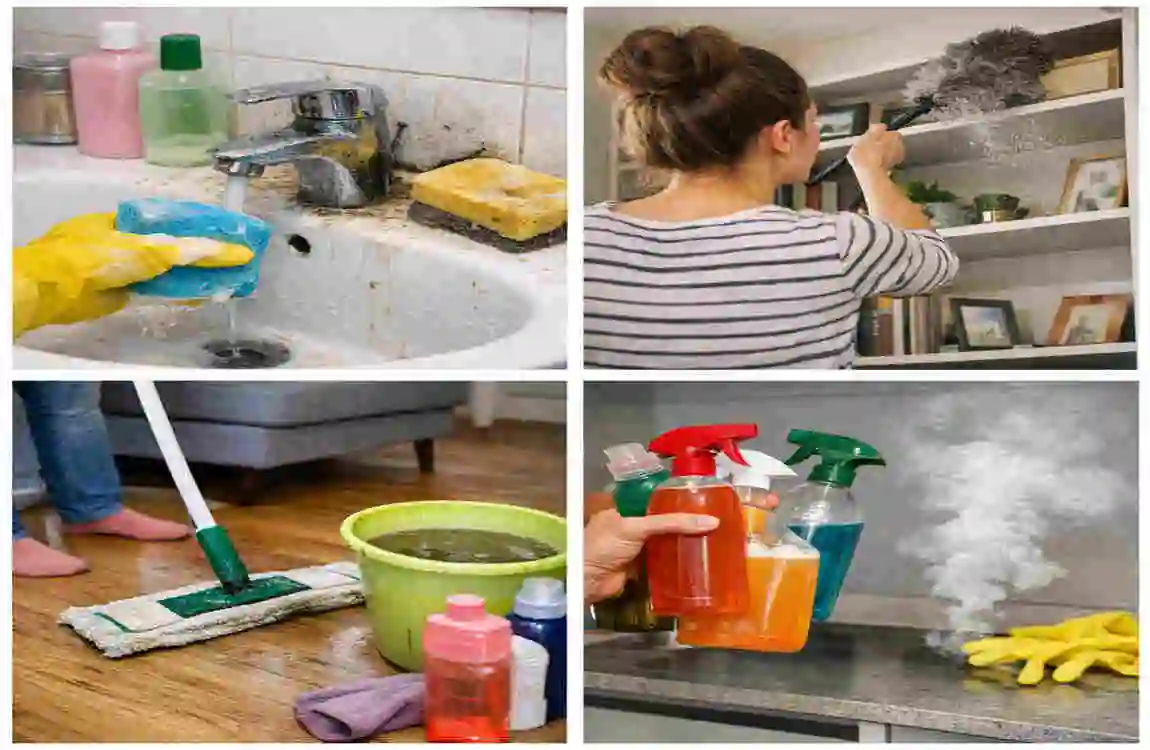
Even with the best intentions, it is easy to make mistakes that can actually make your home dirtier or damage your surfaces. Here are a few things to watch out for:
- Mixing Vinegar and Bleach: NEVER do this. Mixing vinegar with bleach creates toxic chlorine gas. Always stick to one or the other, preferably the eco-friendly options we’ve discussed.
- Overusing Water on Wood: While damp microfiber is great, soaking wet wood can cause it to warp or lose its finish. Always wring out your clothes thoroughly.
- Ignoring Ventilation: Even natural cleaners can be strong. Always keep a window open to let fresh air circulate while you work.
- Skipping the “Patch Test”: Before applying vinegar or baking soda to a new surface (such as a specific type of stone or a coloured fabric), test a small, hidden area first to make sure it doesn’t cause discolouration.
- Using the Same Cloth Everywhere: Don’t use the bathroom cloth in the kitchen! Use colour-coded microfiber cloths (e.g., blue for windows, red for bathrooms, and green for the kitchen) to prevent cross-contamination.
As a real estate agent and home decor enthusiast at homeimprovementcast.co.uk, you know that a spotless home is the secret ingredient to making any space look its best. Whether you are staging a house for a viewing or just refreshing your own living room, having a few quick answers to common cleaning dilemmas is essential.
Here is a short, professional FAQ guide featuring house cleaning tips for a spotless home that align with your interest in sustainable, beautiful living.
Frequently Asked Questions About House Cleaning Tips for a Spotless Home
What are the best natural ingredients for a spotless home?
To maintain a spotless home without harsh chemicals, you only need a few pantry staples. White vinegar is your go-to for cutting grease and removing limescale. Baking soda works wonders as a gentle abrasive for scrubbing sinks and tubs. Finally, lemon juice acts as a natural bleach and deodorizer. These three ingredients are the foundation of sustainable house cleaning and are much safer for your family and pets.
How often should I clean to maintain a spotless home?
Consistency is the secret to a spotless home. Instead of waiting for a massive weekend “deep clean,” try the 10-minute daily reset. Focus on high-traffic areas like the kitchen counters and the entryway. By tackling small messes every day, you prevent grime from building up, making your weekly chores much faster and easier.
Can eco-friendly hacks really remove tough stains?
Yes! Many people worry that “green” cleaners aren’t strong enough, but they often perform better than store-bought chemicals. For example, a paste made of baking soda and water can lift stubborn coffee stains from counters or grime from grout. The key is to let the product sit for 15 to 20 minutes to allow the natural reactions to break down the dirt.
Is microfiber better than traditional cotton cloths?
Absolutely. If you want a spotless home, you should switch to microfiber cloths. Unlike cotton, which often just pushes dust around, microfiber has tiny “hooks” that grab and trap dust and bacteria. They are also reusable, which fits perfectly into a zero-waste lifestyle and saves you money on paper towels.
How do I keep a home spotless with pets or children?
The best tip for busy households is to use essential oil sprays and microfiber mats. Place a high-quality mat at every entrance to catch dirt before it enters the house. Use a simple mix of water and tea tree oil to quickly disinfect surfaces where kids and pets play. This keeps the environment germ-free without exposing your loved ones to toxic fumes.