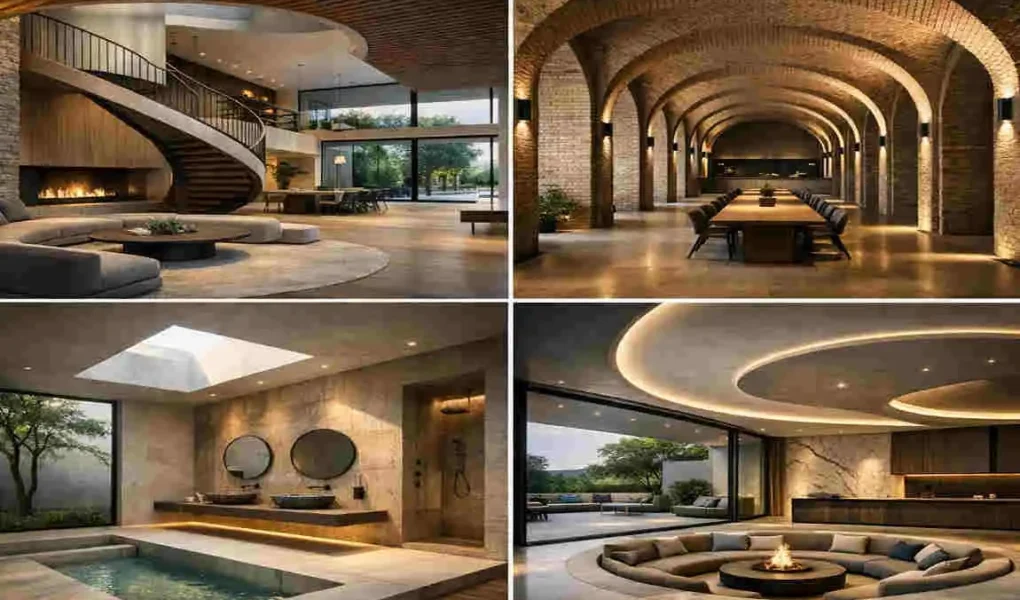
Ever wondered what interior architecture is and how it transforms ordinary spaces into functional masterpieces? We all have that one friend whose home feels effortlessly “right.” The flow from the kitchen to the living room is seamless, the light hits exactly where it should, and the space feels bigger than it actually is. It’s not magic, and it’s usually not just about expensive furniture. It is the result of thoughtful, structural planning.
In the world of home improvement and construction, there is often confusion between decoration and architecture. While a fresh coat of paint or a new sofa can change a room’s look, interior architecture shapes how a room functions. It elevates home designs, significantly boosts property value, and aligns your physical surroundings with your modern lifestyle.
What Is Interior Architecture? A Clear Definition
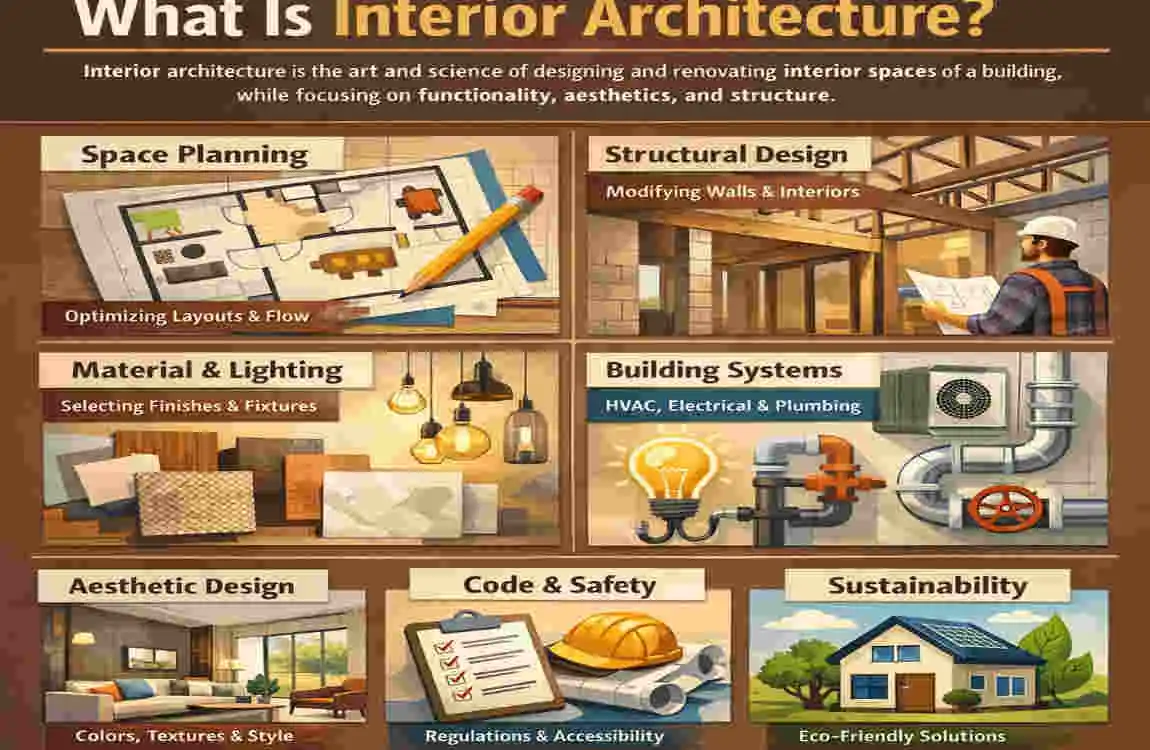
Let’s start with the basics. What is interior architecture? It is the art and science of designing interior spaces that blend aesthetics, functionality, and structural integrity—going far beyond mere decoration.
Think of your home as a human body. Interior design is the clothing, makeup, and jewelry—the things that make it look attractive and express personality. Interior architecture, on the other hand, is the skeleton and the muscles. It is about the walls, beams, lighting systems, acoustics, and the way people move through the space. It focuses on the technical aspects of interior design while preserving the artistic vision.
Interior Architecture vs. Interior Design
It helps to see how it differs from interior design. While the two fields often overlap, their core focuses are quite different.
Feature Interior Architecture Interior Design
Primary Focus: Structural integrity, spatial flow, building systems. Furnishings, color palettes, decor, and accessories.
Scope of Work: Moving walls, plumbing, electrical, and ceiling structures. Selecting furniture, rugs, curtains, and wall art.
Technical Needs: Requires knowledge of building codes, safety, and materials. Requires knowledge of textiles, trends, and psychology.
Timing is involved during the construction or renovation planning phase, usually after the structure is defined.
Goal: To create a functional, safe, and habitable shell. To beautify and personalize the existing shell.
Core Principles of Interior Architecture
When we talk about the definition of interior architecture, we are referring to three main pillars that hold the discipline together.
Functionality First
The golden rule here is “form follows function.” An interior architect looks at a space and asks, “What will people do here?” If it’s a kitchen, the “work triangle” between the stove, sink, and fridge must be efficient. If it’s an office, the lighting must prevent eye strain. A beautiful room that doesn’t work for its intended purpose is a failure in interior architecture.
Harmony with Architecture
The inside must respect the outside. If you have a historic building with high ceilings and exposed brick, a good interior architect won’t try to force a sterile, plastic-heavy, futuristic look that clashes with the building’s soul. Instead, they will design an interior that complements the exterior structure, creating a cohesive narrative from the moment you step through the front door.
User Experience
This is about how the space feels. It involves manipulating volume and light. Have you ever walked into a room and felt instantly calm? That is likely due to acoustic-damping materials and soft, diffused lighting. Or have you felt energized in a bright, open lobby? That is user experience design in action. It’s about psychological comfort as much as physical comfort.
Brief History of Interior Architecture
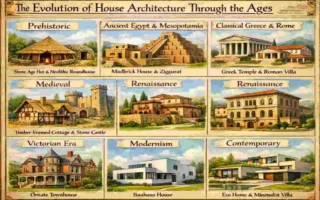
To truly understand what interior architecture is in the modern world, we need to look back at its origins. It isn’t a brand-new concept; humans have been trying to optimize their living caves and huts for thousands of years!
Ancient Roots to The Renaissance
The roots of interior architecture go back to ancient civilizations. Think about the Roman atrium. They designed homes with open central courtyards to bring in light and collect rainwater. This was a brilliant structural solution to the lack of electricity and indoor plumbing. It was pure interior architecture—using the building’s structure to solve livability issues.
Later, during the Renaissance, architects like Palladio began to view the interior and exterior as one continuous design. They believed that the mathematical proportions used on the façade should be carried into the rooms for perfect harmony.
The Modern Pioneers
Fast forward to the 20th century, and everything changed. The Industrial Revolution brought steel and glass, allowing for open floor plans. Pioneers like Le Corbusier famously called a house a “machine for living in.” He stripped away the heavy Victorian-era decoration and focused on efficiency and light.
Then came the Bauhaus movement, which taught that art, craft, and technology should be unified. This era gave birth to the idea that a chair or a staircase should be functional, mass-producible, and beautiful all at once.
The Digital Revolution
Today, the transition continues. The introduction of Computer-Aided Design (CAD) and 3D modeling has revolutionized the field. Now, architects can simulate sunlight at different times of the day or test acoustic materials virtually before a single brick is laid. This history clarifies why modern interior architecture is so technical—it stands on the shoulders of engineering giants.
Real-World Interior Architecture Examples
Theory is great, but seeing is believing. Let’s look at real-world examples of interior architecture that showcase how these principles come to life. These range from massive luxury projects to smart solutions you might apply in your own home.
Iconic Residential – The Getty Center Interiors
Designed by the legendary Richard Meier, the Getty Center in Los Angeles is a masterclass in light. While the exterior is famous for its white travertine stone, the interior architecture is what makes it habitable.
Meier used curvilinear elements inside to guide visitors through the galleries naturally. He manipulated ceiling heights and skylights to ensure art was lit by natural light without being damaged by UV rays. This is a perfect example of using structural elements (windows and ceilings) to serve a specific function (viewing art) while creating a breathtaking aesthetic.
Commercial Marvel – Apple’s Cubic Offices
Apple is synonymous with innovation, and its retail stores and offices reflect this. Consider the “Apple Park” or their iconic glass cube stores. The interior architecture here focuses on transparency and the dissolution of boundaries.
By using massive sheets of structural glass, the barrier between the inside and outside disappears. The “stairs” often float, supported by hidden mechanisms in the walls. This creates a sense of openness and collaboration. It tells the user: “We have nothing to hide; we are open to the future.”
Sustainable Home Retrofit in Lahore
Let’s bring it closer to home for our readers in Pakistan. Imagine a traditional Haveli in Lahore’s Walled City. These structures are beautiful but often dark and lack modern ventilation.
A modern interior architecture project here might involve retaining the thick, thermal-regulating brick walls but opening up the central courtyard with a retractable glass roof. This allows for climate control (AC) in the summer while keeping the traditional “courtyard culture” alive. The architect might also install light wells to bring sunlight into the ground-floor rooms. This blend of heritage conservation and modern utility is a growing trend in South Asia.
Luxury Hotel – Burj Al Arab Atrium
If we talk about scale, we must mention the Burj Al Arab in Dubai. The interior architecture here is designed to overwhelm the senses with grandeur. The atrium is one of the tallest in the world.
The challenge here was structural: how to support a building of that height while keeping the center hollow? The massive gold columns and the tiered balcony system are structural necessities that were turned into decorative features. The “wow” factor is purely a result of architectural volume manipulation.
DIY-Friendly Office Conversion
Now, an example for you. Since the pandemic, many of us are working from home. A great DIY-friendly example of interior architecture is converting a closet or the space under a staircase into a home office.
This isn’t just putting a desk there. It involves:
- Structural Change: Remove the closet doors and install a floating shelf that is anchored to the studs (structural).
- Lighting: Hardwiring a sconce so you don’t take up desk space (electrical).
- Acoustics: Adding acoustic foam panels behind the monitor to dampen echo on Zoom calls. This small-scale project is interior architecture in its purest, most practical form.
Modern Interior Architecture Trends for 2026
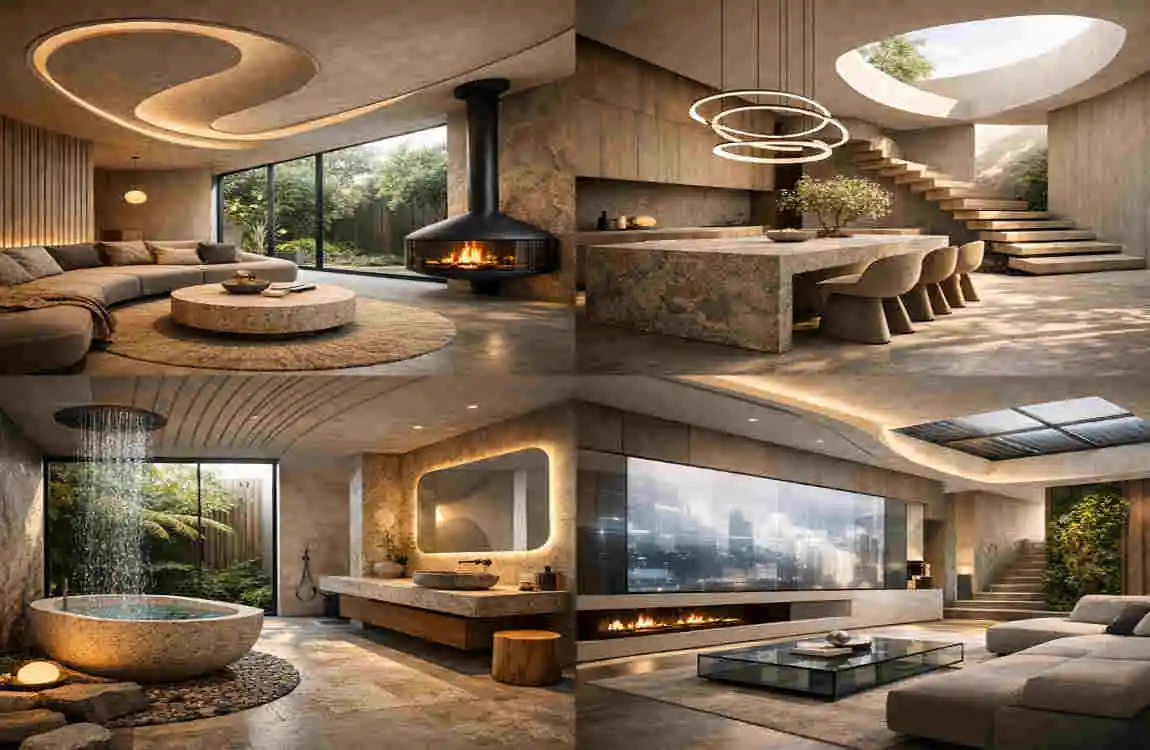
The world changes fast, and our homes change with it. As we look toward 2026, several modern interior architecture trends are emerging. These trends focus heavily on technology, nature, and mental well-being.
Biophilic Design
This is more than just putting a potted plant in the corner. Biophilic design is about weaving nature into the structure of the home. We are seeing “living walls”—vertical gardens built into the house’s irrigation system. We are also seeing architects design indoor courtyards that serve as the house’s lungs, naturally circulating fresh air.
- Pro: improved air quality and reduced stress.
- Tip: Start small with a herb wall in your kitchen.
Smart Home Integration
In 2026, technology is invisible. We aren’t talking about clunky speakers sitting on shelves. We are talking about “adaptive spaces.” Think of walls with built-in sensors that adjust the lighting temperature throughout the day to match your circadian rhythm. Or glass partitions that turn from clear to opaque with a voice command for privacy. The architecture itself becomes the computer.
Sustainable Materials
Sustainability is no longer a niche; it is a necessity. The trend is moving toward “circular architecture.” This means using materials that have been recycled and can be recycled again. We are seeing countertops made from recycled industrial glass and flooring made from reclaimed timber. Low-VOC (Volatile Organic Compounds) paints and glues are standard to ensure the indoor air isn’t toxic.
Flexible, Multifunctional Spaces
The era of the “Formal Dining Room” that is used twice a year is dead. The modern homeowner wants hybrid rooms. Interior architects are using sliding walls, pocket doors, and movable partitions to allow a room to change size. A large living area can be divided into a guest bedroom and a workspace in seconds. This flexibility maximizes the utility of every square foot.
Minimalism with Bold Textures
Minimalism is sticking around, but it’s getting warmer. The “hospital white” look is out. The new minimalism features clean lines but uses bold, tactile textures. Think rough-hewn stone walls, ribbed wood paneling, or textured concrete. It invites you to touch the surfaces. It’s visually quiet but physically interesting.
Wellness-Focused Acoustics
With open-plan living comes the problem of noise. You can hear the blender while you are trying to watch TV. A major trend is “invisible acoustics.” This involves using acoustic plaster (which looks like normal paint but absorbs sound) and designing ceiling baffles that look like art sculptures. A quiet home is a luxurious home.
Cultural Fusion (Indo-Islamic Motifs)
Especially relevant for readers in regions like Pakistan and the Middle East, there is a resurgence of local identity. We are seeing modern concrete structures that incorporate traditional Jali (lattice) screens. These screens serve a dual purpose: they look stunning, creating intricate shadow patterns, but they also reduce solar heat gain, keeping the house cool. It is a beautiful blend of tradition and modern physics.
VR/AR Visualization
This is a trend in interior architecture. Before you knock down a wall, you can now put on a VR headset and walk through the renovated space. This allows homeowners to “feel” the room’s volume before spending a dime on construction. It reduces mistakes and ensures you get exactly what you want.
Benefits of Interior Architecture for Homes and Businesses
Why should you care about interior architecture? Why not just paint the walls and call it a day? Investing in the structural design of your interior brings massive long-term benefits.
For Homeowners
- Enhances Property Value: Homes with smart layouts and structural upgrades sell for significantly more. Statistics often show a 10-20% ROI on well-executed interior remodels.
- Improves Energy Efficiency: By planning for natural light and airflow, you rely less on artificial lights and AC, lowering your bills.
- Boosts Health: Proper ventilation and non-toxic materials lead to better physical health.
- Customizes to Lifestyle: It makes your home work for you, not the other way around.
For Businesses
For your business blog readers, professional interior architecture signals premium quality. If a client walks into a noisy, dark, and confusing office, they subconsciously lose trust in the company. A well-designed space boosts employee productivity and retention.
Cost vs. Value Breakdown
Investment Area: Initial Cost, Long-Term Value
Knocking down walls for Open Plan High Very High (Modernizes the entire feel)
Skylight Installation Medium High (Free lighting, better mood)
Smart Lighting Systems Medium Medium-High (Energy savings, convenience)
Custom Built-in Storage Medium High (Maximizes space, declutters)
How to Get Started with Interior Architecture on a Budget
You might be thinking, “This sounds expensive.” It can be, but it doesn’t have to be. You can apply the principles of interior architecture without a millionaire’s budget. Here is a step-by-step guide.
- Assess Your Space: Before you buy anything, stand in your room. Where does the light come from? Where are the “dead zones” that no one uses? Identify the structural problems first.
- Define Your Needs: Go back to the definition—what is interior architecture? It’s about function. Write down exactly what you need the room to do. “I need a quiet place to read,” or “I need a kitchen where two people can cook at once.”
- Source Affordable Materials: You don’t need Italian marble. Look for local suppliers. In places like Lahore or Karachi, local timber markets offer incredible wood at a fraction of the cost of imported materials. Reclaimed bricks can look more stylish than new ones.
- The Hybrid Approach: You don’t always need a full architectural firm. For smaller projects, you can hire a draftsperson to draw up plans for moving a wall, and then manage the contractors yourself.
- Use Free Tools: Software like SketchUp has free versions. You can model your room in 3D to see if that kitchen island will actually fit before you build it.