What is the difference between a chattel and a house?
REAL ESTATE

Chattel vs House: 7 Key Differences Every Homebuyer Must Know

You are a first-time homebuyer sitting in your living room, scrolling through endless real estate listings on your phone. You are looking at properties in the bustling suburbs of Lahore, trying to find that perfect place to call your own. Suddenly, you notice something strange. Mixed in with the traditional brick-and-mortar homes are listings for “mobile homes” and “prefab houses.” They look great and are surprisingly affordable, but they are categorized differently.

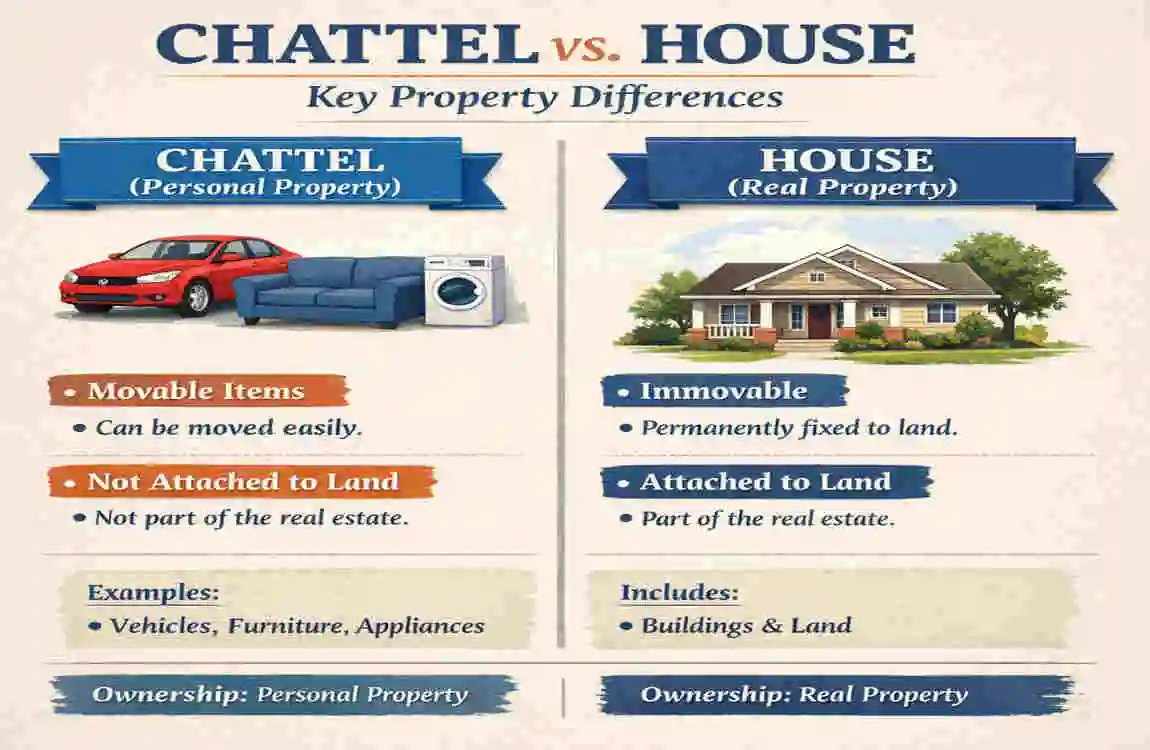
If you are feeling a bit confused, you are definitely not alone. The real estate world is packed with technical jargon that can make your head spin. But don’t worry, we are here to clear the air. Simply put, a chattel is movable personal property, such as a manufactured home, that isn’t permanently attached to the ground. On the flip side, a house is a fixed real property permanently tied to the land it sits on.

Whether you are a homebuyer in Pakistan seeking affordable living options or someone exploring global real estate trends, such as the rising popularity of tiny homes, understanding this distinction is crucial. It completely changes how you buy, finance, and legally own your home.

Key difference Chattel (mobile/manufactured home as personal property) Traditional house (real‑estate home)
Nature of property Chattel is movable personal property (like a mobile or manufactured home on wheels, not permanently attached to land) . A house is real property: land plus any structure permanently fixed to it .
Ownership focus Buyer typically owns just the home unit; land may be rented (e.g., in a mobile‑home park) . Buyer owns both the structure and the land (or holds a long‑term lease if applicable) .
Financing type Usually financed via a chattel or personal‑property loan (often higher rates, shorter terms) . Financed with a traditional mortgage secured by real estate, usually with lower interest rates and longer terms .
Loan security / collateral Collateral is the home unit itself; lender does not secure the land . Collateral is the home + land, giving the lender more security and typically better loan terms .
Appreciation & equity Generally appreciates less (or even depreciates) like a vehicle or appliance, since it’s personal property . More likely to appreciate over time as part of the real‑estate market, building equity .
Mobility and attachment Designed to be movable; not permanently fixed to a foundation . Structurally and legally fixed to a foundation and treated as part of the land .
Legal treatment & protections Governed more like personal‑property loans (UCC‑style rules), with fewer homeowner‑protection rights . Governed as real‑estate transactions, with stronger buyer protections and clearer title/registration rules .

What is Chattel? Understanding the Chattel Property Definition

What is the difference between a chattel and a house?

To make the best real estate decisions, you first need to understand the definition of chattel property. In the simplest terms, chattel is tangible, personal property that you can physically move from one place to another without causing damage to the land.

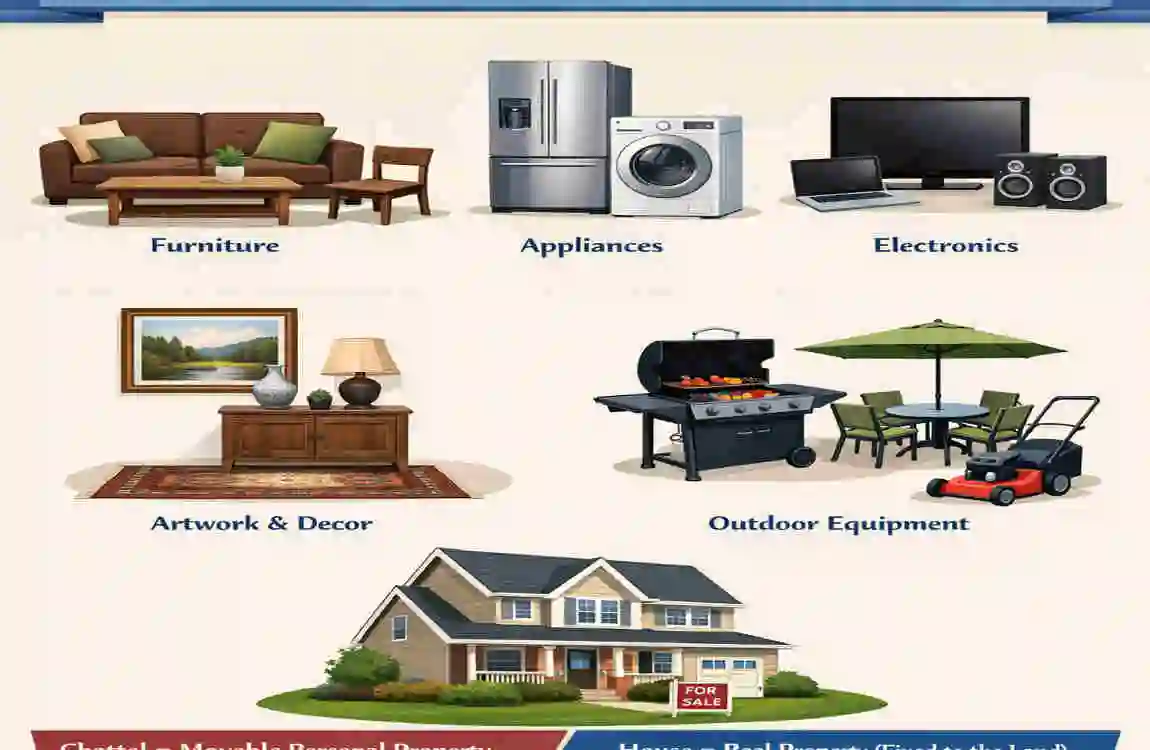
Think of it this way: if you can pack it up, put it on a truck, and drive away with it, it is likely chattel. This includes everyday items like your living room furniture, your car, and your electronics. But in the world of real estate, chattel refers to much larger movable assets, specifically certain types of homes.

When we talk about chattel in housing, we generally break it down into two main types:

  • Chattel Real: This term refers to a leasehold interest in real estate. It means you have the right to use the land for a specific period, but you do not actually own the dirt underneath.
  • Chattel Personal: These are the strictly movable items. In housing, this includes mobile homes, tiny homes on wheels, and some prefabricated (prefab) structures.

Let’s look at some real-world examples. Imagine the evolving rural and urban fringe markets in Pakistan. As cities expand, people are seeking flexible, affordable housing. You might see a beautifully designed prefab house placed on a plot of land just outside the city. Because it was brought in on a truck and can be moved again later, it is considered chattel personal. The same goes for Recreational Vehicles (RVs) or towable tiny homes.

To make this crystal clear, here is a quick breakdown showing the difference between chattel and non-chattel items.

Chattel vs. Non-Chattel Examples

Item Type Example Classification Reason

Living Space Mobile home on a trailer frame Chattel It is movable and not permanently attached to the earth.

Living Space A brick villa in a housing society Non-Chattel (Real Property) It has a permanent concrete foundation.

Land Use A 5-year lease on a plot of land Chattel Real It is a temporary right to use, not permanent ownership.

Possessions A family car or tractor Chattel Personal It is highly mobile personal property.

Land Features A large, mature oak tree Non-Chattel (Real Property) It is rooted deeply into the earth.

Understanding the difference between real property and chattel is the first major step in your homebuying journey. Now, let us look at the other side of the coin.

What is a House? Definition and Characteristics

Now that we know what movable property is, let us talk about the traditional dream: a permanent house. When real estate professionals talk about a house, they are referring to real property or real estate.

By definition, a house is a permanent structure that is legally and physically affixed to the land. When you buy a house, you are not just buying the walls and the roof; you are buying the earth beneath it, the space above it, and the permanent structure itself. The two are legally bound together.

There are a few key traits that define a traditional house:

  • Immovability: A house has a permanent foundation. It is dug deep into the ground using concrete, steel, or stone. You cannot simply pick it up and move it to a new city.
  • Deed Integration: The building and the land are considered a single entity. The ownership of the house passes with the land title.
  • Permanence: Houses are built to stay exactly where they are for decades, or even centuries.

Let us picture this with a real-life example. Imagine a beautiful, solid brick home in the upscale suburbs of Lahore. It has a paved driveway, deep concrete footings, and a brick boundary wall. This is the ultimate example of real property. Other examples include towering apartment buildings, sprawling villas, and traditional townhouses.

Contrast this early on with our definition of chattel. If you want to move your mobile home (chattel), you hire a towing company. If you want to move a traditional brick house (real property), you would have to demolish it and rebuild it somewhere else!

Think about the anatomy of a house. It starts with the earth. Then comes the foundation, poured deep into the dirt. Above that sits the framework, followed by the walls and roof. Every single piece is physically fastened to the ground. Legally, the local government recognizes this entire setup—the land and the building—as one single piece of taxable real estate.

This brings us right back to our main focus: What is the difference between a chattel and a house? The answer lies in how they are built, how they are moved (or not moved), and how the law views them. Let us break down those specific differences right now.

7 Key Differences Between Chattel and House

What is the difference between a chattel and a house?

Understanding the differences between chattel house ownership and traditional real estate ownership can save you from massive legal and financial headaches down the road. To give you the clearest picture possible, we have broken down the differences between chattel and house into seven distinct, easy-to-understand categories.

Ownership and Title Transfer

The very first difference you will encounter when buying a home is the paperwork. And believe us, the paperwork is vastly different depending on what you buy!

When you purchase a chattel property, like a mobile home, the transfer of ownership is surprisingly simple. Because the law views it as personal property—much like a car—you usually need a bill of sale or a personal property title. The process is fast, straightforward, and generally involves a quick trip to a local registry office. You hand over the money, sign the bill of sale, and the mobile home is yours.

Buying a house, on the other hand, is a much more complex legal dance. Because you are dealing with real property, the transfer requires a real estate deed. This process is thorough and takes time. You will need to conduct a title search to ensure no one else has a claim to the land. You might need land surveys, property inspections, and the services of a lawyer or conveyancer to finalize the paperwork. The ownership is then officially recorded with the local land registry or government body. It is a rigorous process designed to protect your permanent investment.

Mobility and Permanence

This is the most obvious difference, but it has massive ripple effects on your lifestyle and finances.

Chattel homes are designed with mobility in mind. A manufactured home is built in a factory on a steel frame equipped with axles. Even after it is delivered to a site, the wheels and axles can be reattached if you ever decide to move across the country. This offers incredible freedom. If your job relocates, or if you get tired of the view, your home can come with you.

A traditional house offers absolute permanence. Once the concrete is poured and the bricks are laid, that house is not going anywhere. It is permanently fixed to its foundation. If you decide to move, you have to sell the house and buy a new one. The only way to “move” a traditional house in most cases is through costly demolition. This permanence, however, provides a profound sense of psychological stability and a sense of belonging to the community.

Financing and Loans

How you pay for your home is another massive factor that separates these two property types. Lenders view them very differently because of the risk involved.

If you are buying a chattel home, getting a traditional mortgage is usually out of the question. Because the home is movable (and therefore easier to steal or destroy), banks view it as a higher risk. Instead, you will need to apply for a personal property loan, sometimes called a chattel loan. These loans typically come with higher interest rates and shorter repayment terms (often 10 to 15 years).

For a permanent house, you have access to the holy grail of real estate financing: the mortgage. Because the house is permanently attached to land (which rarely loses all its value), banks consider it a very secure investment. This means you can secure much lower interest rates and stretch your payments over longer terms, such as 20 or 30 years. Plus, traditional house mortgages often come with attractive tax benefits that chattel loans do not offer.

Legal and Zoning Regulations

Where you can legally place your home is heavily dictated by whether it is a chattel or a house. Zoning laws can be incredibly strict, and you need to know the rules before you buy.

Chattel homes face unique zoning challenges. In many places, including expanding areas like urban Pakistan, local governments restrict where you can park a mobile or manufactured home. Often, you are limited to designated mobile home parks, specific rural zones, or leased land. While this means fewer building codes to worry about during construction, you have much less freedom regarding where you can actually live.

A traditional house is subject to incredibly strict building codes and zoning laws. Before you even pour the foundation, you must get your architectural plans approved by the local development authority. In Pakistan, bodies like the LDA (Lahore Development Authority) or CDA (Capital Development Authority) ensure your house meets safety, structural, and aesthetic standards. However, once your plans are approved, you have the freedom to build your permanent home on any residential plot you own.

Taxes and Insurance

The ongoing costs of owning a home do not stop at your monthly loan payment. You also have to consider taxes and insurance, which differ wildly between the two.

For a chattel home, your tax burden is often much lighter. Because it is considered personal property, you usually only pay a personal property tax, similar to the annual tax or registration fee you pay on a vehicle. Insurance for a mobile home is also categorized differently. While it covers the physical structure, it is generally tailored to the unique risks of movable property, such as transport damage or severe weather vulnerability.

When you own a house, you are hit with property taxes (often called real estate taxes). These taxes are calculated based on the assessed value of both the land and the permanent structure built upon it. As your property value goes up, your taxes usually go up too. Additionally, you will need comprehensive homeowners insurance that covers the main structure, outbuildings, personal liability, and your belongings.

Value Appreciation and Resale

This difference is the one that most heavily impacts your long-term financial future. It comes down to a simple question: Will your home make you money, or will it cost you money over time?

Unfortunately, chattel homes typically depreciate. Much like driving a brand-new car off the dealership lot, a mobile home begins to lose its value the moment it leaves the factory. Because the physical structure experiences wear and tear, and because you often do not own the land underneath it, reselling a chattel home for a profit is quite difficult.

A traditional house, however, is generally an appreciating asset. While the physical building itself might experience wear and tear, the land it sits on almost always increases in value over time. As neighborhoods develop, populations grow, and land becomes scarcer, your real estate becomes more valuable. This is why buying a traditional house is considered one of the best ways to build generational wealth and equity.

Maintenance and Durability

Finally, let us talk about the everyday reality of keeping your home in good shape.

Chattel homes are built with lighter materials so they can be transported over highways. While modern manufacturing has greatly improved quality, it is still more prone to wear and tear. They are more vulnerable to extreme weather, strong winds, and temperature fluctuations. Maintenance often involves checking the chassis, ensuring the home remains level on its temporary foundation, and dealing with lighter-grade plumbing and electrical fixtures.

A brick-and-mortar house is built for extreme durability. With proper care, a traditional house can easily last for a century or more. While the upfront costs of building a house are significantly higher, the long-term maintenance costs are often more stable. You will occasionally need a new roof or a fresh coat of paint, but the core structure—the concrete, the steel, the bricks—is designed to withstand the test of time and weather.

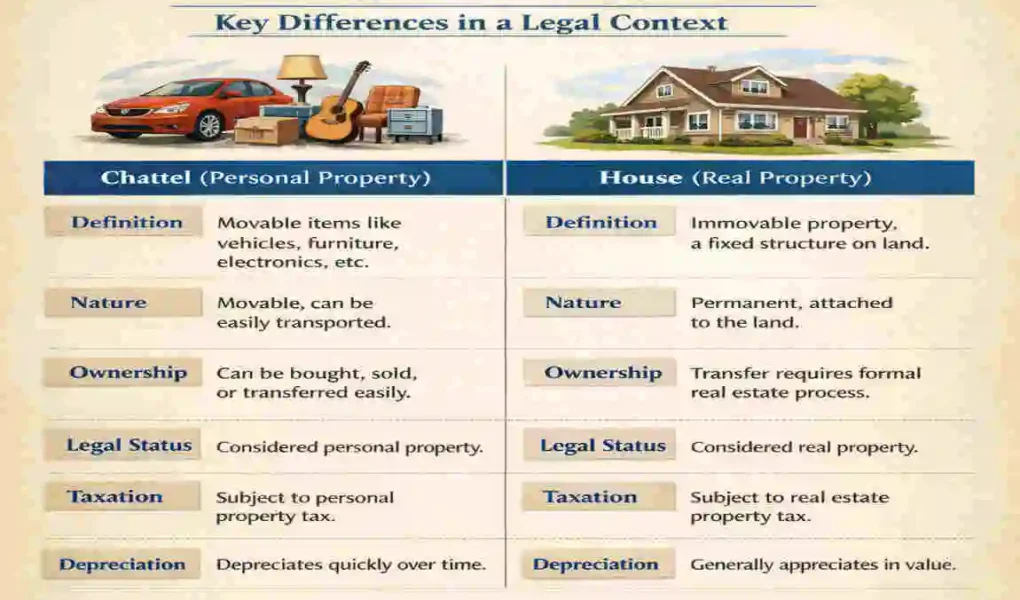
Side-by-Side Comparison: Chattel vs House

To give you a quick visual summary, here is a handy cheat sheet that maps out exactly what the difference is between a chattel and a house.

Aspect Chattel (e.g., Mobile Home)House (Traditional Real Estate)

Legal Classification Personal Property Real Property

Ownership Document Title / Bill of Sale Real Estate Deed

Mobility Movable (wheels/chassis) Fixed to a permanent foundation

Financing Method : Personal / Chattel Loans , Traditional Mortgages

Value Trend: Typically depreciates. Typically appreciates

Taxation Type Personal Property Tax Real Estate / Property Tax

Construction Speed Fast (factory-built) Slow (site-built over months)

Pros and Cons: Chattel vs House for Homebuyers

Now that you have a firm grasp on the technical and legal differences, it is time to look at how these translate into your daily life. Every homebuyer has a unique situation. Let us weigh the pros and cons of each to help you in your homebuyer guide to chattel vs house.

The Pros and Cons of Chattel Living

Chattel living is fantastic for people who prioritize flexibility and keeping their initial costs low. It is becoming increasingly popular for mobile workforces or young professionals who are not ready to tie themselves down to a single city.

The Pros:

  • Ultimate Affordability: The upfront purchase price is a fraction of what you would pay for a traditional house.
  • Incredible Flexibility: If you get a new job in a different city, you can literally take your house with you. This is ideal for Pakistan’s evolving mobile workforce.
  • Speed: You can buy a prefab home and move in within weeks, rather than waiting a year for a traditional house to be built.
  • Lower Taxes: Personal property taxes are generally much lower than traditional property taxes.

The Cons:

  • Depreciation: Your home will likely lose value over time, making it a poor long-term financial investment.
  • Financing Hurdles: Securing a loan is tougher, and the interest rates will eat into your monthly budget.
  • Land Uncertainty: If you rent the land your home sits on, you are always at the mercy of the landlord’s rules and rent increases.

The Pros and Cons of Traditional Houses

Traditional houses remain the gold standard for a reason. They offer peace of mind and financial security that is hard to beat.

The Pros:

  • Rock-Solid Stability: You have a permanent place in a community. No landlord can force you to move out of your house.
  • Equity Growth: Historically, real estate has been one of the safest ways to build wealth, as land values appreciate.
  • Customization: You can knock down walls, add extensions, and heavily modify a traditional house to fit your exact dreams.
  • Better Financing: Access to low-interest, long-term mortgages makes monthly payments highly manageable.

The Cons:

  • High Upfront Cost: The down payment, closing costs, and overall price tag represent a massive financial barrier.
  • Immobility: You are rooted to one spot. If you want to leave, the selling process can take months.
  • High Maintenance Costs: Replacing a roof or fixing a cracked concrete foundation can cost a small fortune.

Quick Decision Framework

Still not sure? Ask yourself these questions:

Your Priority: Your Best Match. Why?

“I want to build long-term wealth.” Traditional House Land appreciation and equity building are unmatched.

“I might move in the next 3 years.” Chattel Home avoids the massive closing costs of buying and selling real estate.

“I have a very tight budget right now.” Chattel Home: Lower entry price and lower monthly taxes.

“I want a permanent family base.” Traditional House Unmatched stability and community integration.

Which is Right for You? Buying Guide

What is the difference between a chattel and a house?

Making the final call between a chattel and a traditional house is a huge step. As a homebuyer, you have to look inward and honestly assess your current situation and your future goals.

First, look deeply at your budget. Do not just look at the sticker price. Factor in the interest rates of a chattel loan versus a mortgage. Calculate the estimated property taxes. Remember, a cheaper chattel home with a high-interest personal loan might cost you just as much monthly as a modest traditional house with a low-interest mortgage.

Next, examine your lifestyle. Are you someone who thrives in the vibrant, permanent community of urban Lahore, where traditional houses reign supreme? Or do you prefer the quiet, flexible life on the rural outskirts, where a mobile prefab home makes perfect sense?

Here are the exact steps you should take before making a purchase:

  1. Assess Your Real Needs: Write down exactly what you need in a home. How many bedrooms? How much outdoor space? Do you need to be close to a specific school district?
  2. Consult Local Realtors: Talk to professionals who know the local market inside out. They can tell you if chattel homes are a viable, legally sound option in your target area.
  3. Check Local Laws: Look into regional zoning laws. For instance, familiarize yourself with basic real estate regulations and Property Acts in your area to ensure you understand your land rights.
  4. Secure Financing Pre-Approval: Go to a bank and see exactly what kind of loan you qualify for. This will quickly narrow down your options.

Are you ready to make a move? Take your time, weigh your options, and carefully calculate your fit by writing down your personal pros and cons list.

Frequently Asked Questions (FAQs)

What is the difference between a chattel and a house?

The core difference is mobility and legal classification. A chattel is movable personal property, such as a manufactured home on wheels. A house is real property, meaning it is a permanent structure physically and legally attached to the land on which it sits.

Can you finance a chattel like a house?

Generally, no. Because a traditional house is permanent, it qualifies for a standard mortgage with lower interest rates. Chattel property is movable and is usually financed through personal property loans, which typically have higher interest rates and shorter repayment periods.

Are chattel homes common in Pakistan?

While traditional brick-and-mortar houses dominate the market in cities like Karachi, Lahore, and Islamabad, chattel homes are slowly gaining traction. You will mostly see prefabricated and movable homes in rural areas, agricultural lands, or urban fringes, where land use is more flexible, and buyers are seeking affordable, quick housing solutions.

Does chattel appreciate?

In most cases, no. Much like a vehicle, a chattel home generally depreciates over time due to wear and tear and because you often do not own the underlying land. Traditional houses appreciate because the land they are permanently attached to grows in value.

Can a chattel become a traditional house?

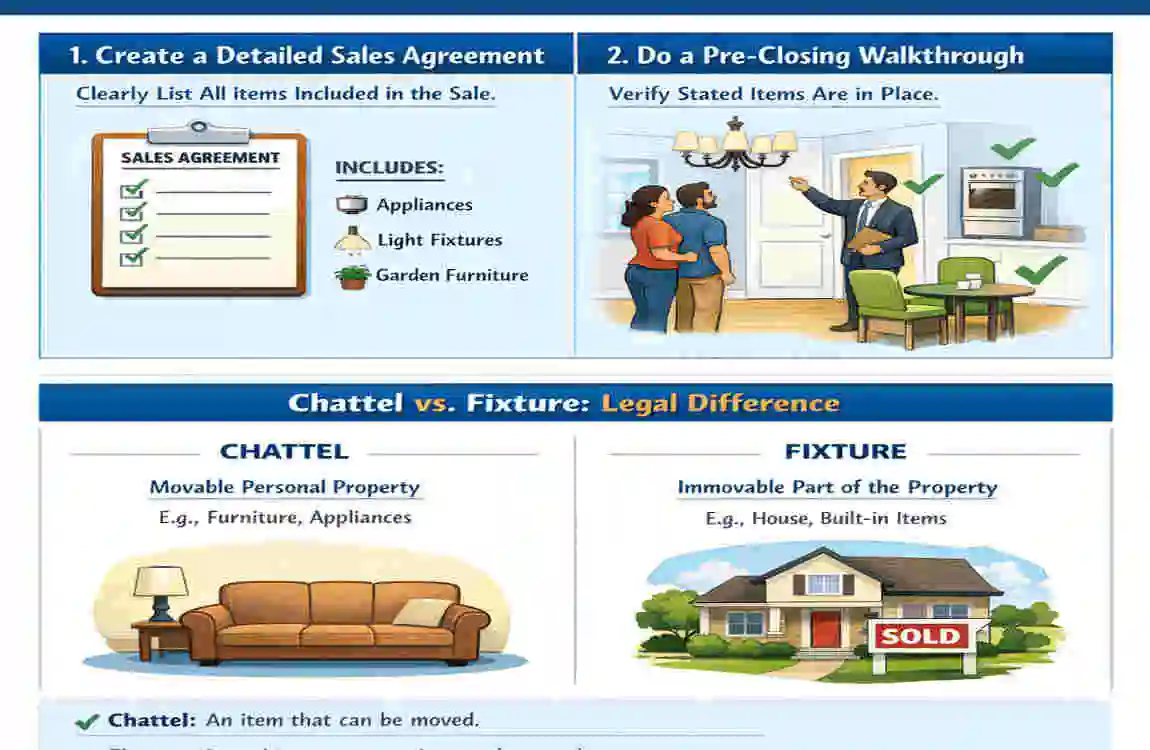
Yes, in some specific legal circumstances. If you own the land, you can sometimes permanently affix a mobile home to a concrete foundation, remove the axles, and file legal paperwork to convert its status from personal property (chattel) to real property. This process heavily depends on strict local zoning and building laws.

Do I pay property taxes on a chattel home?

Usually, you pay a personal property tax rather than traditional real estate property taxes. However, if you rent the land your chattel sits on, the landowner will pay the property tax, and that cost is usually passed down to you through your monthly land rent.

You may also like...

Leave a Reply

Your email address will not be published. Required fields are marked *