Imagine stepping into your home on a scorching summer day, only to feel the relief of a cool interior without cranking up the air conditioner. In hot climates, where temperatures can soar, and energy bills follow suit, the colour of your roof plays a bigger role than you might think. Did you know that homes in sunny regions can see air conditioning costs spike by 20-30% due to poor roof choices? That’s where metal roofs come in—they’re durable, long-lasting, and excellent at keeping things cool if you pick the right hue.
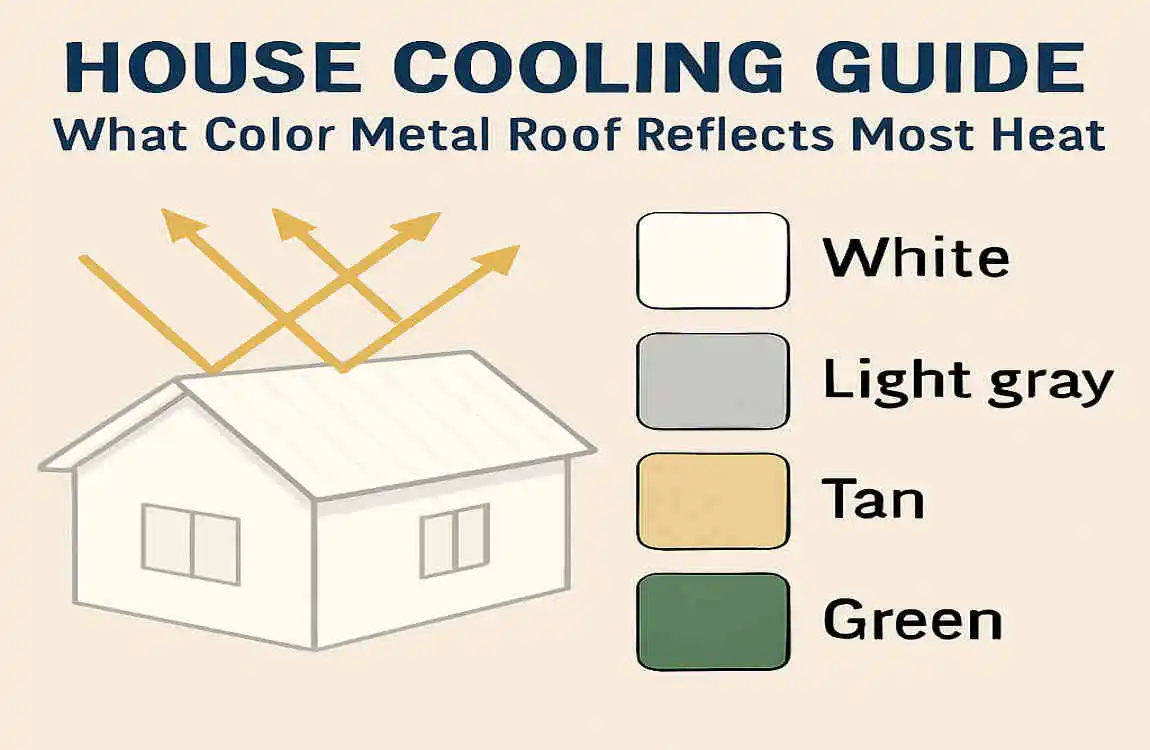
But here’s the question on many homeowners’ minds: what colour metal roof reflects the most heat? The answer is straightforward—white or very light colours like beige and light grey lead the pack. These shades boast a high Solar Reflectance Index (SRI), often reaching 90%, which means they bounce back most of the sun’s rays rather than absorbing them. This isn’t just about comfort; it’s about slashing those cooling costs and making your home more energy-efficient.
The Science of Heat Reflection
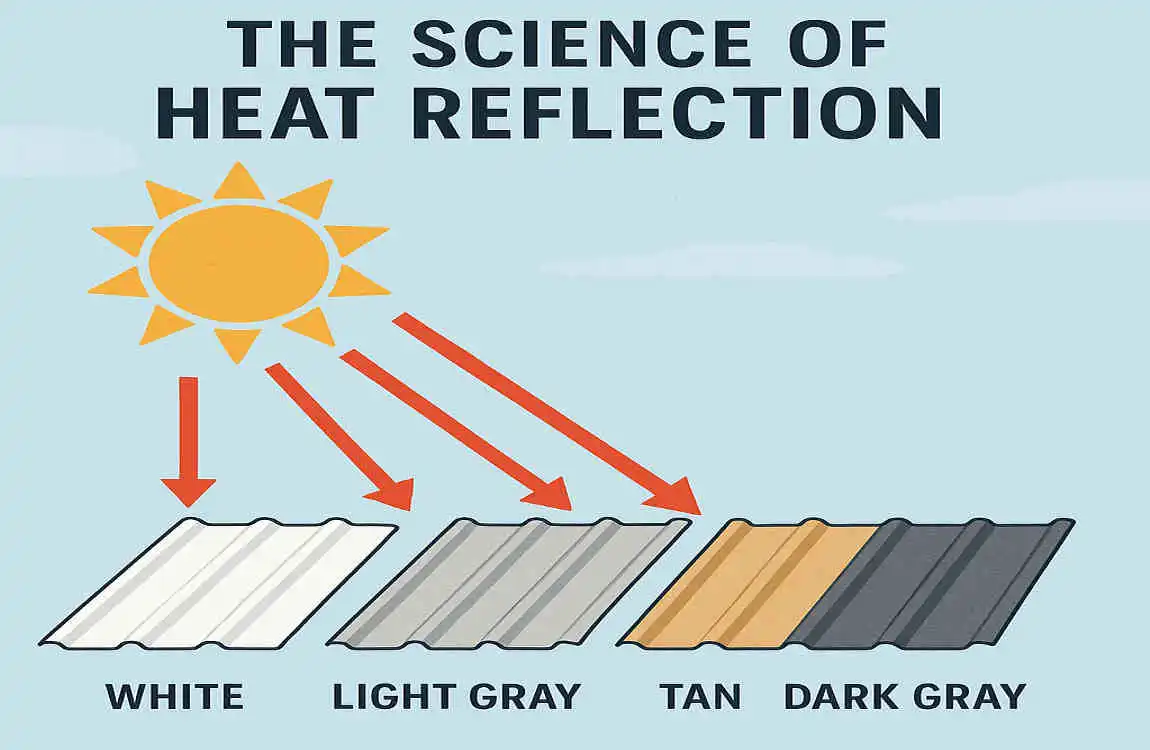
Metal roofs aren’t just tough; they’re smart at battling the sun’s heat. Unlike traditional materials that soak up rays like a sponge, metal roofs can reflect a ton of that energy right back into the sky. This is especially crucial in hot climates where every degree matters for your comfort and wallet.
How does this all work? It boils down to a few key properties that set metal roofs apart in the world of energy-efficient roofing. We’ll break it down step by step, so you can see why colour choice is a game-changer.
Solar Reflectance vs. Thermal Emittance
First off, let’s talk about the Solar Reflectance Index (SRI). This is a scale from 0 to 100 that measures how well a roof reflects sunlight and releases any heat it does absorb. A higher SRI means better performance in keeping your home cool. Metal roofs often score high here because they’re designed to handle heat effectively.
Solar reflectance is the star of the show—it’s the percentage of sunlight that bounces off the roof without getting trapped. For example, a white metal roof can reflect 60-90% of the sun’s rays, sending that heat packing before it warms up your attic.
Then there’s thermal emittance, which is how quickly the roof releases any heat it absorbs. Metals are great at this, often rating 0.8 or higher on a scale of 0 to 1. This means they don’t hold onto heat like asphalt shingles, which can trap it and make your home feel like an oven.
To make this more straightforward, picture your roof as a shield. Reflectance blocks the attack, and emittance helps shake off whatever sneaks through. Together, they create a cooler environment inside.
Let’s put some numbers to this. I’ve got a handy table below that compares popular colours by SRI range and reflection percentage. This will help you visualise which options offer the most bang for your buck in hot areas.
ColorSRI RangeReflection %Hot Climate Benefit
White 90-100 80-90 Max cooling savings
Light Grey 70-85 60-75 Good balance
Beige 65-80 55-70 Aesthetic appeal
Dark Grey 20-40 20-30 Avoid in heat
As you can see, lighter colours dominate SRI ratings. If you’re in a sunny spot, opting for something in the top rows could lead to noticeable differences in your indoor temperature.
Don’t just take my word for it—think about how this applies to your own home. Have you noticed your attic getting unbearably hot? A high-reflectance roof could change that.
Hot Climate Impact
Now, let’s zoom in on what this means in real hot weather. In places with summer temperatures above 40°C, like parts of Pakistan or the American Southwest, your roof’s colour can make or break your comfort.
Dark roofs absorb heat like a black car parked in the sun—they can reach surface temperatures of 80°C or higher. That heat seeps into your home, forcing your AC to work overtime. On the flip side, a white metal roof stays much cooler, often 40-50°C lower on the surface, which translates to cooler indoor spaces.
This isn’t just theory. Studies show that cool roofs can reduce indoor temperatures by 2-5°C without any extra cooling. That means less strain on your air conditioner and lower energy bills—potentially saving you 10-20% on annual cooling costs.
Consider your daily life. If you’re tired of high utility bills during peak summer, switching to a reflective metal roof could be your solution. It’s like giving your home a natural shield against the heat wave.
But it’s not all about immediate comfort. Over time, this heat reduction protects your roof from wear and tear, extending its lifespan. In hot climates, where UV rays are relentless, a cooler roof means fewer repairs down the line.
What about the environment? By reflecting heat, you’re also helping reduce the urban heat island effect in your neighbourhood. That’s when cities get hotter because buildings absorb heat. Your choice contributes to a more incredible community—pretty cool, right?
Top Colours for Maximum Reflection
When it comes to which colour metal roof reflects the most heat, white is the undisputed champion. It bounces back 80-90% of sunlight, making it a top pick for anyone looking to beat the heat. But other light shades perform well, too. Let’s explore these options in detail, weighing their pros and cons to help you decide.
You might be thinking, “Is white really that much better?” Absolutely—its high SRI makes it ideal for hot climates. But don’t worry if white doesn’t match your home’s vibe; we’ll cover alternatives that still offer solid heat absorption reduction.
Here’s a quick list of the top performers:
- White: The gold standard for reflection, with pros like massive energy savings and cons like potential dirt visibility.
- Light Grey: A balanced choice that’s stylish and effective.
- Beige: Offers warmth in appearance while keeping things cool.
Avoid dark colours like black or charcoal—they absorb over 80% of heat, which can turn your home into a sauna.
White metal roofs aren’t just functional; they’re a wise investment. They can cut your cooling bills by 15-20%, which adds up quickly in steamy summers. Plus, they qualify for energy rebates in many areas, sweetening the deal.
On the downside, white might show dirt more easily, especially in dusty regions. But a quick annual clean keeps it looking sharp. If that’s a concern, light grey steps in as a close second, reflecting 60-75% of heat while blending better with modern home designs.
Beige is another winner, providing 55-70% reflection with a softer, more inviting look. It’s perfect if you want efficiency without the starkness of pure white. These colours all fall under cool roof colours, designed to make your life easier in the heat.
Real-World Examples
Let’s bring this to life with some stories from the field. In Florida, where humidity and sun team up to make summers brutal, homeowners who switched to white metal roofs reported saving around $200 a year on energy bills. One family in Miami reported that their attic temperature dropped by 15°C, making the space usable for storage without additional fans.
Over in Texas, a ranch-style home featured light grey metal roofing. The owners loved how it matched their stone exterior while keeping the interior cooler. They saw a 10-15% drop in AC usage, proving that style and function can coexist.
Imagine a beige metal roof on a suburban house in Arizona. The homeowners shared that their energy costs fell by about $150 annually, and the roof stayed cooler to the touch even in 45°C heat. These examples show reflective metal roofs cooling in action.
What if you’re in a place like Lahore, with intense dry heat? A case study from similar climates shows that white roofs can reduce indoor heat by up to 5°C, helping families stay comfortable without constant AC blasts.
These real-world wins highlight why light colours are key for metal roof colours in hot climates. If you’re picturing your own home, consider how a simple colour swap could transform your summer experience.
Pros for white include maximum SRI ratings and long-term savings, but cons like increased grime visibility mean maintenance is key. Light shades offer a middle ground, with durable finishes that resist fading.
Implementing Cool Roofs in Hot Climates
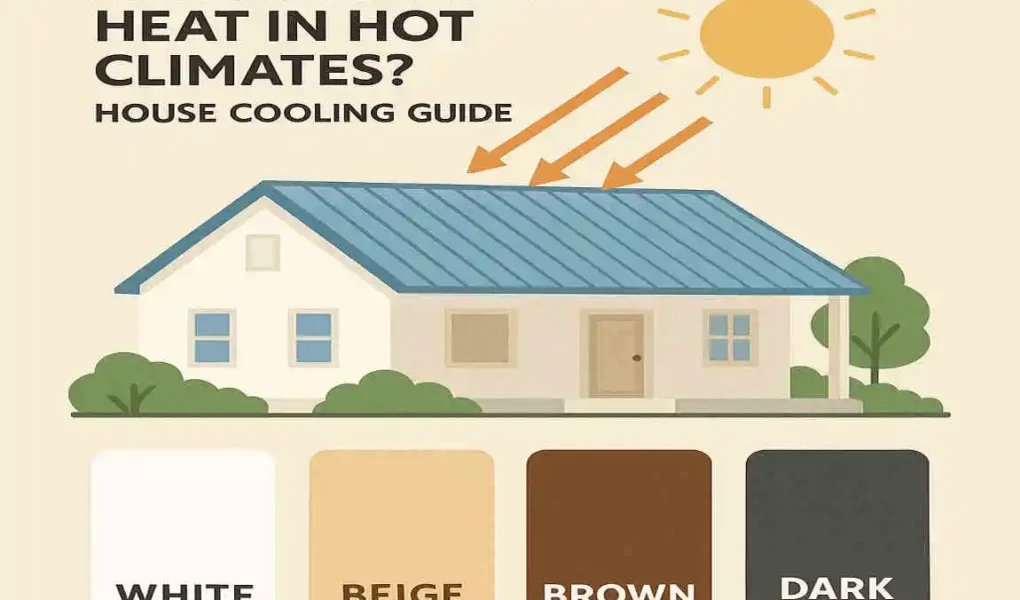
Choosing the right colour is a great start, but to truly maximise your home’s cooling, you need to think bigger. This house cooling guide will walk you through implementing cool roofs effectively. We’ll cover pairing with other features, crunching the numbers on costs, and keeping everything in top shape.
How can you make this work for your setup? Let’s break it down into actionable steps.
Pair with Ventilation and Insulation
A reflective metal roof shines brightest when teamed with good ventilation. Attic vents allow hot air to escape, preventing buildup that even the best colour can’t fully combat.
Add insulation like spray foam under the roof, and you’ve got a powerhouse combo. This traps cool air inside and blocks heat from sneaking in. In hot climates, this can amplify your roof’s reflection benefits by 20-30%.
Think about it—your roof reflects the heat, vents whisk it away, and insulation seals the deal. It’s like building a fortress against summer swelter.
Don’t forget about ridge vents or solar-powered fans; they actively pull out trapped air, making your energy-efficient roofing even more effective.
Cost-Benefit Analysis
Now, let’s talk money. Installing a metal roof might cost $10-15 per square foot upfront, but the returns are impressive. In hot climates, you could save 20% on AC bills, leading to a payback in 5-7 years.
White roofs often give the quickest ROI due to their superior reflection. Beige and light grey follow closely, offering solid savings with a touch more style.
Check out this table for a clearer picture of potential returns:
Roof ColorAnnual Savings (Hot Climate)Payback Period
White $150-300 5 years
Beige $100-250 6-7 years
These figures assume a standard home in a sunny area. Your exact savings depend on local energy rates and home size, but the trend is clear—lighter colours pay off faster.
Factor in rebates from programs like ENERGY STAR, and the deal gets even better. You’re not just saving money; you’re investing in a cooler future.
Maintenance Tips
Keeping your cool roof performing takes minimal effort. Clean it annually with a gentle wash to remove dirt that could lower its reflectance. In dusty hot climates, this is especially important.
Consider applying reflective coatings every few years—they can boost SRI by 10-20% and extend the roof’s life. Regular inspections for damage ensure everything stays efficient.
Simple habits, like trimming overhanging trees to reduce debris, go a long way. By maintaining your roof, you lock in those cooling benefits for decades.
Beyond Colour: Material and Finishes
Colour is crucial, but it’s not the only factor in metal roof heat reflection. The material and finishes you choose can further enhance performance. Let’s explore how to go beyond basics for the ultimate cool roof.
You might be surprised how minor tweaks in material make a big difference. We’ll compare options and see why metal often wins out.
Galvalume or painted metal panels are the top choices—they resist corrosion and hold onto their reflective properties longer than bare zinc. Adding reflective coatings can boost efficiency by 10-20%, making your roof even better at reflecting heat.
Finishes matter too. Matte options absorb a bit more, while glossy ones reflect like a mirror. In hot climates, go for high-gloss to maximise bounce-back.
Metal vs. Other Roofs
How does metal stack up against alternatives? Metal roofs reflect 70% more heat than asphalt, making them a no-brainer for sunny spots.
Asphalt shingles absorb heat and wear out faster, lasting only 20 years compared to metal’s 50+. Tiles offer some reflection, but can’t match metal’s durability in extreme heat.
Here’s a comparison table to illustrate:
Roof TypeHeat ReflectionLifespanHot Climate Score
Metal (White) High (70-90%) 50+ yrs Excellent
Asphalt Low (20-40%) 20 yrs Poor
As you can see, metal excels at reflecting heat and lasting for a long time, earning high scores in hot climates. If you’re debating options, metal’s edge in heat absorption reduction is hard to beat.
Beyond that, metal is lighter and easier to install, reducing labour costs. It’s also recyclable, adding an eco-friendly angle.