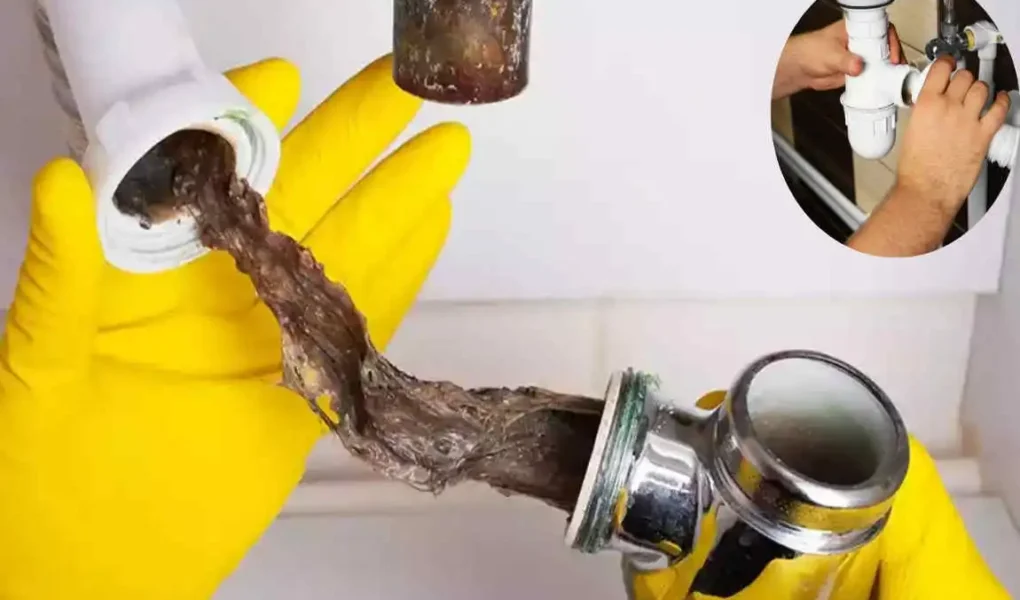
Cleaning plumbing pipes at home is essential for maintaining healthy water flow and preventing blockages. Over time, pipes can accumulate sediment, mineral deposits, and debris, which affect water quality and drainage. With simple steps and basic tools, homeowners can effectively clean their pipes to ensure fresh, safe water and smooth drainage throughout the house. This straightforward guide helps prepare, remove buildup, and restore plumbing efficiency safely and conveniently at home cleaning.
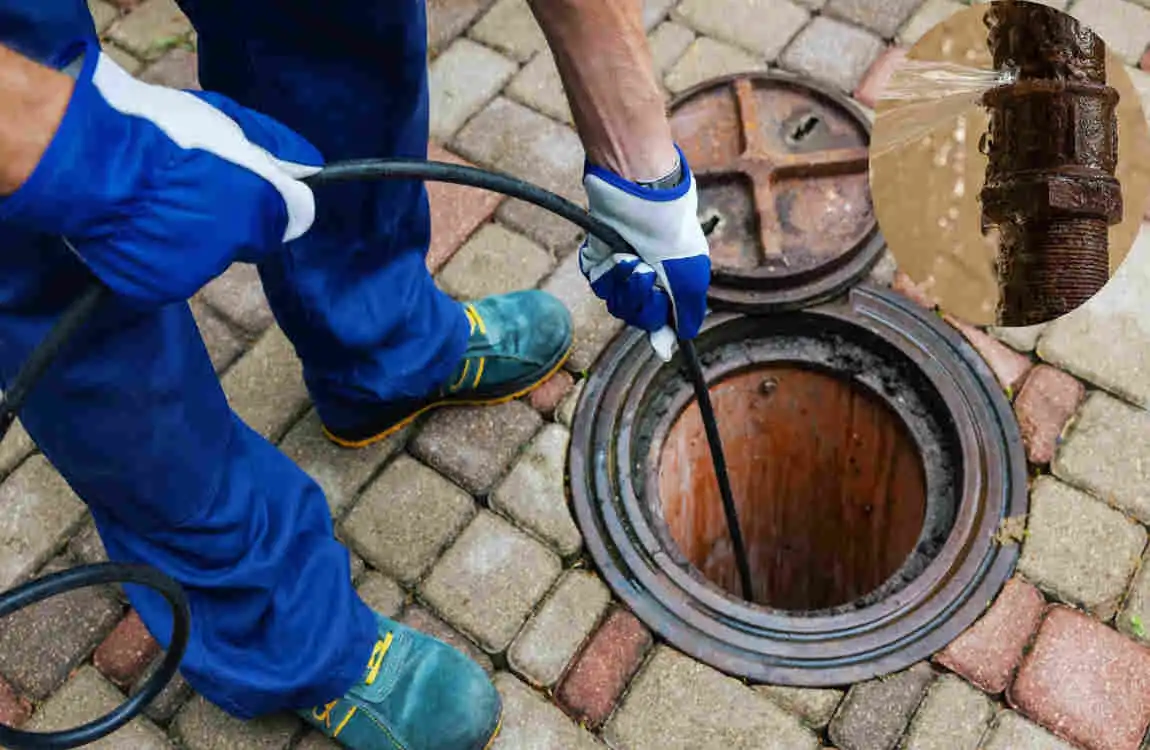
Clean plumbing pipes play a vital role in the overall health of your home. They ensure that water flows freely and efficiently, preventing frustrating clogs and backups.
When pipes are clear of debris and buildup, they reduce the risk of leaks. Undetected leaks can lead to costly water damage or mold growth over time.
Routine cleaning also extends the lifespan of your plumbing system. It helps you avoid expensive repairs caused by neglected maintenance.
Maintaining clean plumbing is about creating a safer environment for you and your family while enhancing the efficiency of one of the most essential systems in your home.
Common Causes of Dirty Plumbing Pipes
Dirty plumbing pipes can result from various everyday activities. One of the primary culprits is food waste. When grease, oil, or small food particles are washed down the drain, they can accumulate over time and create clogs.
Another issue arises from mineral buildup. Hard water contains high levels of minerals like calcium and magnesium that leave deposits inside pipes. This not only restricts water flow but also contributes to foul odors.
Hair is another frequent offender in residential drains. Whether from showers or sinks, strands of hair can tangle with soap scum and other debris, leading to blockages.
Tree roots may infiltrate underground plumbing systems. As roots seek moisture within your pipes, they cause significant damage while creating additional obstructions for wastewater flow. Identifying these causes early on can help prevent major plumbing issues down the line.
You may also read(how to clean your ac condenser for better cooling of house).
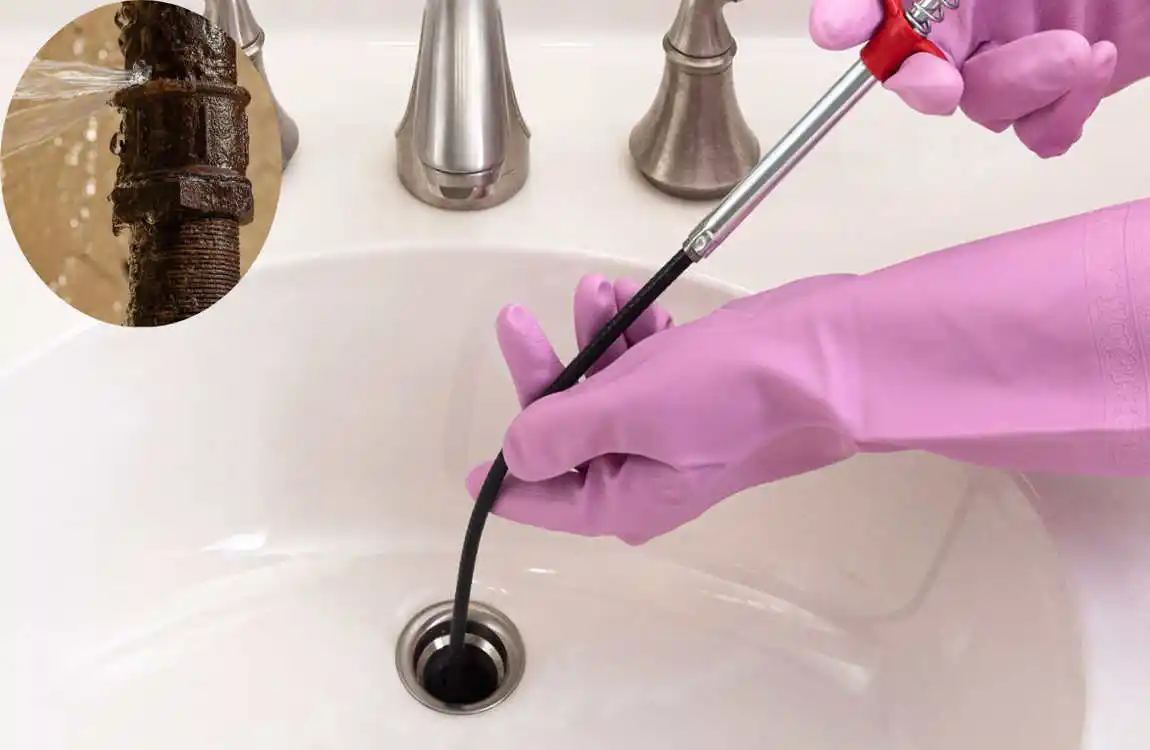
When it comes to cleaning plumbing pipes, you have two main options: DIY or professional services. Each approach has its advantages and drawbacks.
Taking the DIY route can be a cost-effective option. You gain hands-on experience and learn more about your home’s plumbing system. Plus, there’s a sense of satisfaction that comes from solving problems on your own.
However, not everyone is equipped with the right tools or knowledge for effective pipe cleaning. If you’re unsure or face persistent issues, call in experts.
Professional cleaners often use advanced techniques and equipment that can tackle tough clogs without damaging your pipes. They can also spot underlying issues you might miss during a casual inspection.
Choosing between DIY efforts and hiring professionals depends on the severity of the problem and your comfort level with home repairs.
Tools and Supplies Needed
Home cleaning plumbing pipes at home requires the right tools and supplies to ensure an effective job. Start with a good pair of rubber gloves. They protect your hands from harsh chemicals and grime.
Next, grab a plunger. This simple tool helps dislodge stubborn clogs in sinks or toilets. For tougher blockages, a plumber’s snake is essential. It reaches deep into pipes to clear debris that might be causing issues.
You’ll also need a bucket to catch any spills and prevent messes on your floors. A pipe wrench can help you tighten or loosen fittings if necessary.
Don’t forget about cleaning agents! Baking soda and vinegar are excellent natural options for breaking down buildup, while commercial drain cleaners offer stronger solutions when needed.
Keep some rags handy for quick clean-up after each step of the process.
Step-by-Step Guide to Cleaning Plumbing Pipes
Cleaning plumbing pipes at home can seem daunting, but it’s manageable with the proper steps. Start by turning off your water supply to prevent any mishaps.
Next, a after your tools: a plunger, pipe wrench, and a flexible drain brush are essential for this task. If you’re dealing with stubborn clogs, consider using a mixture of baking soda and vinegar to break down buildup.
Once you’re set up, remove any visible traps or fittings from the pipes beneath sinks. As a result, the cleaning can be done more thoroughly and with better access. Use your drain brush to scrub away dirt and grime inside the pipes gently.
After scrubbing, flush the system with hot water to ensure all debris is washed away. Remember to reassemble everything properly once you’re done! Regular checks will help keep things running smoothly in future cleanings as well.
You may also read (what causes dampness in homes with air conditioning).