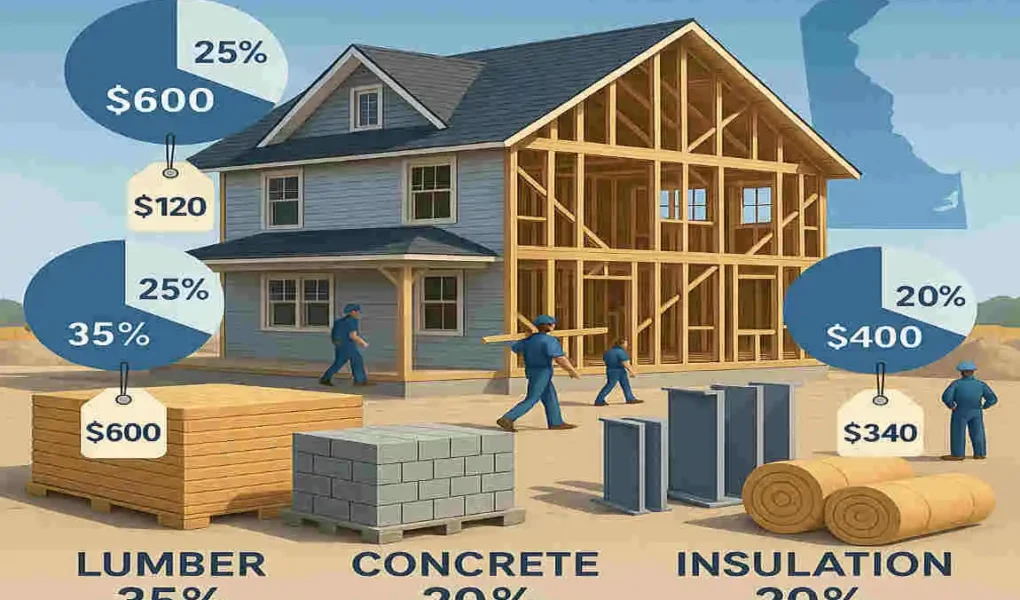
Building a home is often a dream come true, but it’s also a significant financial commitment. In Delaware, the cost of constructing a home is influenced by various factors, with material expenses being a major contributor. If you’re asking, “How much does it cost to build a house in Delaware?”, understanding the role of materials is essential.
Understanding Total Home Building Costs in Delaware
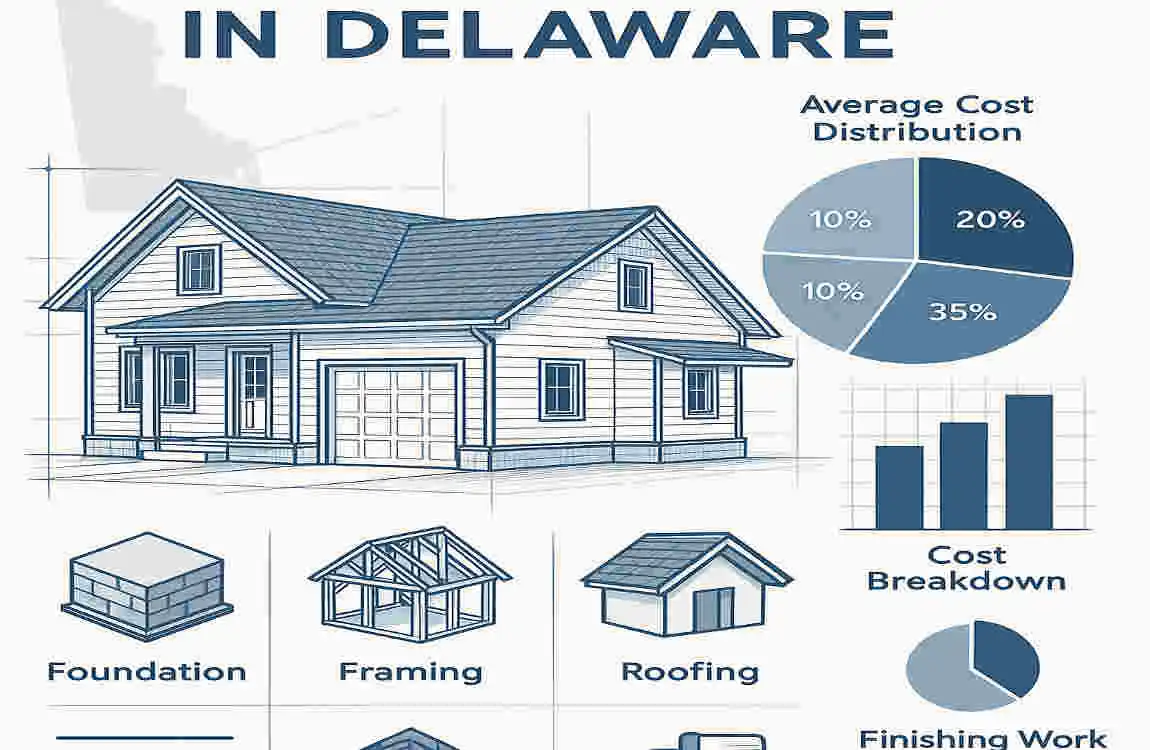
When planning to build a home in Delaware, it’s essential to understand the total cost structure. Building a house here typically ranges between $270,000 and $550,000, depending on the size, location, and quality of materials and finishes. Let’s break down the primary components of these costs.
Key Components of Home Construction Costs
- Land Costs
- The cost of land in Delaware averages about $175,000 per acre, though prices vary depending on the lot size and location.
- Permits and Fees
- Building permits and other regulatory fees typically range between $5,000 and $15,000.
- Labor Costs
- Labor is another significant expense, making up roughly 30-40% of the total budget.
- Material Costs
- Materials usually account for 50-60% of the total construction cost and average about $50 per square foot.
Among these, material costs are one of the most flexible components, significantly influenced by your choices and design preferences. In this article, we’ll focus on the breakdown of material costs and how decisions can impact your total budget.
Detailed Breakdown of Material Costs
When building a home, the variety and quality of materials you choose can affect both your upfront expenses and long-term maintenance costs. Below is a detailed analysis of the primary material categories and their associated costs.
Framing Materials
Framing forms the skeleton of your house. It includes structural elements like lumber, steel beams, and foundation materials.
- Cost Range: $20,000 – $50,000
- Factors Influencing Cost: Size of the house, lumber prices, and whether steel is used for added durability.
Roofing Materials
The roof protects your home from the elements, and roofing choices can significantly impact your budget.
- Cost Per Square Foot: $5 – $15
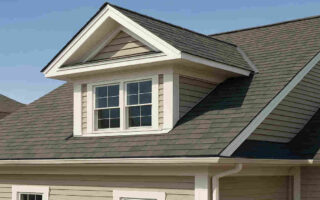
- Standard Roofing Options: Asphalt shingles (budget-friendly), metal roofing (durable but costly), and slate (luxurious and long-lasting).
You may also read (adding a basement to a manufactured home).
Exterior Painting
Painting the exterior is essential for aesthetics and protection against the weather.
- Cost Range: $2,000 – $5,000
- Key Factors: Type of paint, surface area, and labor costs.
Insulation
Proper insulation ensures energy efficiency and reduces utility bills.
- Types of Insulation: Fiberglass (affordable), spray foam (higher cost but superior efficiency).
- Installation Cost: $1.50 – $3.50 per square foot.
Windows and Doors
Windows and doors add to both the design and functionality of your home.
- Window Costs: $300 – $1,500 per window, depending on material (vinyl, aluminum, or wood).
- Door Costs: $500 – $3,000, influenced by style (standard, French, or sliding).
Flooring Materials
Flooring contributes significantly to the look and feel of your home.
- Average Costs Per Square Foot:
- Hardwood: $8 – $15
- Laminate: $3 – $7
- Tile: $5 – $10
Cabinets and Countertops
The kitchen is often the heart of a home, and cabinets and countertops are key expenses.
- Cabinet Costs: $10,000 – $30,000, depending on the material (MDF, solid wood, or custom designs).
- Countertop Costs: $2,000 – $10,000, with granite, quartz, and marble being common choices.
Plumbing Fixtures
Fixtures like sinks, faucets, and showers add both functionality and style.
- Cost Range: $5,000 – $10,000 (including materials and installation).
- Key Factors: Quality of fixtures and specialist labor fees.
Material Cost Range Key Factors
Framing $20,000 – $50,000 Size of home, type of materials
Roofing $5 – $15 per sq ft. Type of roofing material
Windows & Doors $300 – $3,000 each. Material, style, and installation complexity
Flooring $3 – $15 per sq ft Material type (hardwood, laminate, tile)
Cabinets & Countertops $12,000 – $40,000 Material and customization level
Plumbing Fixtures $5,000 – $10,000 Quality of fixtures and labor costs
How Material Quality and Selection Affect Costs
The quality of materials you choose plays a critical role in determining the final cost of your home. Let’s explore how basic and premium materials differ.
Basic vs. Premium Materials
- Basic Materials: These are functional and budget-friendly but may lack durability or aesthetic appeal. For example, laminate countertops are cost-effective but don’t match the longevity of granite.
- Premium Materials: These come with a higher upfront cost but often offer better durability, aesthetics, and long-term value. Examples include hardwood flooring, marble countertops, and slate roofing.
Long-Term Value
Investing in durable materials might seem expensive initially, but it can save you money on repairs and replacements over time. For example, a metal roof might cost more upfront but last twice as long as asphalt shingles.
Comparison: Materials Costs vs. Other Major Expenses
While house materials make up a significant chunk of your budget, they aren’t the only expense. Here’s how they compare to other costs:
Labor Costs
Labor expenses in Delaware average around $50 – $100 per hour. Skilled trades like electricians and plumbers often charge more. Labor typically accounts for 30-40% of the total cost, making it another significant expense alongside materials.
Land Acquisition
Land costs can vary widely but typically start at $175,000 per acre in Delaware. Prime locations or larger lots can significantly increase this figure.
Permits and Indirect Costs
Permits, inspections, and fees might seem minor, but they can add up to $5,000 – $15,000, depending on the complexity of your project.
Strategies to Control and Optimize Material Costs
Building a home doesn’t have to break the bank. Here are some actionable tips to help you manage material costs effectively.
- Plan Ahead
- Create a detailed budget and stick to it. Avoid last-minute changes that can drive up costs.
- Purchase Materials in Bulk
- Buying materials in bulk or during seasonal sales can save you a significant amount.
- Work with Trusted Builders and Suppliers
- Partnering with experienced professionals ensures that you receive high-quality materials at competitive prices.
- Consider Alternatives
- Explore recycled or sustainable materials like reclaimed wood or bamboo flooring. They’re often cheaper and environmentally friendly.
Impact of Market Trends on Material Costs in Delaware

Market trends heavily influence the construction industry. Here are some recent developments affecting material costs:
- Inflation
- Rising inflation has driven up the cost of materials like lumber and steel in recent years.
- Supply Chain Disruptions
- Global supply chain issues have resulted in delays and price increases for specific materials.
- Local Demand
- Delaware’s growing popularity for new homes has led to increased competition and, consequently, higher material prices.
Case Study: Estimating Material Costs for a 3,000 Sq Ft Home in Delaware
Let’s calculate material costs for a 3,000 square-foot home using average values:
Category Estimated Cost
Framing $40,000
Roofing $20,000
Windows & Doors $15,000
Flooring $18,000
Cabinets & Countertops $30,000
Plumbing Fixtures $10,000
Total $133,000
This estimate highlights how material costs can quickly add up, emphasizing the importance of planning and budgeting.
Benefits of Understanding Material Costs in Home Building
By understanding material costs, you can:
- Avoid Surprises: Proper planning helps you anticipate expenses and reduce stress.
- Communicate Effectively: Knowledge of costs allows you to negotiate better with contractors.
- Make Informed Choices: Select materials that balance cost, quality, and durability.
You may also read (step by step guide to building an edgeland house).