
You have spent weeks decluttering, painting the walls, and staging the living room to perfection. The buyers absolutely love the place, and your house is officially under contract. Escrow is moving smoothly, and you are already mentally packing your bags for your next big adventure. Then, the buyer’s home inspector drops a massive bombshell: your house has polybutylene pipes.
Panic instantly sets in. You watch the buyer’s excitement turn into hesitation, and you find yourself pacing the floor, asking the burning question: can you sell a house with polybutylene pipes?
If you are currently facing this exact situation, take a deep breath. You are not alone, and this is not the end of the world. Polybutylene plumbing, often called “PB pipes,” is a type of plastic plumbing installed in over one million homes across the United States between the late 1970s and the mid-1990s. While they were praised as a miracle material back then, they are now notorious for sudden leaks and catastrophic bursts.
| Aspect | Details | Typical Costs/Impacts [Citations] |
|---|---|---|
| Feasibility | Yes, possible as-is or repaired; cash buyers more flexible. | Price drop 5-10%. |
| Inspection | Visual ID, water tests; flags as defect. | $150–$500. |
| Repairs | Full repipe preferred (PEX/CPVC/copper); avoid partial. | $2,500–$15,000. |
| Disclosure | Required in most US states for known defects. | Lawsuits if undisclosed. |
| Insurance | Higher premiums or denial; limited coverage possible post-inspection. | May require replacement. |
| Buyer Options | Credits, repairs, or as-is to investors. | $10K–$20K credits. |
What Are Polybutylene Pipes and Why the Bad Reputation?
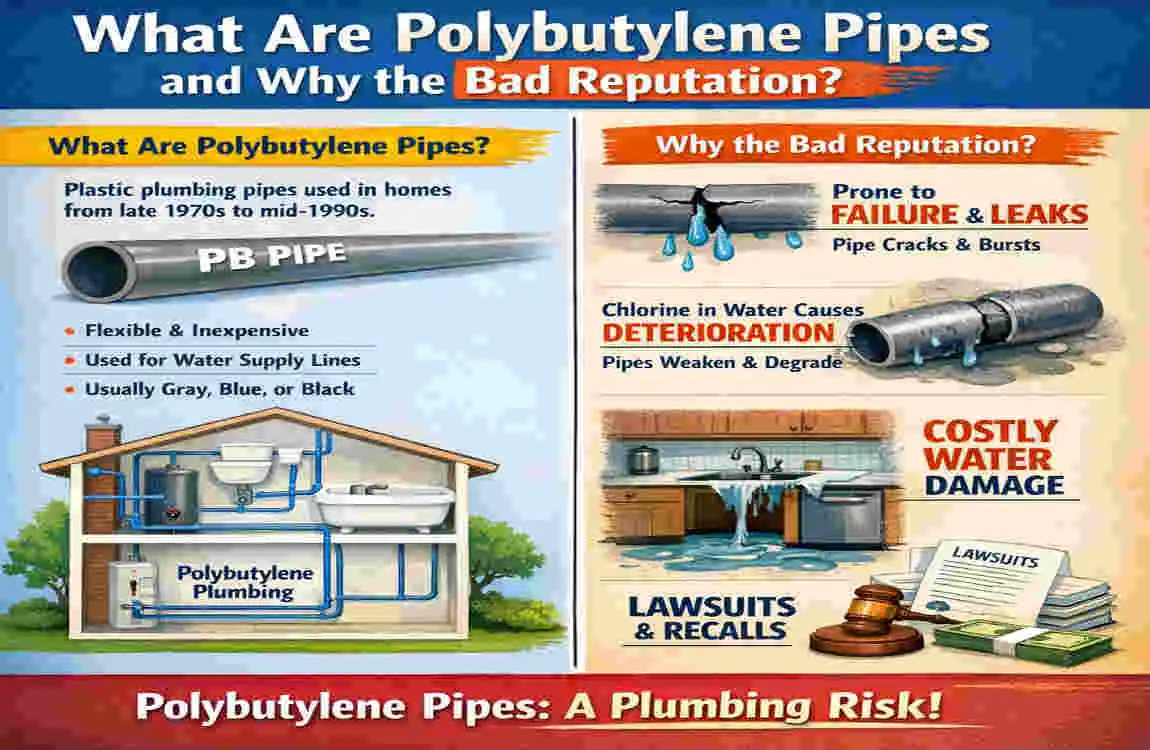
Before you can negotiate effectively with a nervous buyer, you need to understand exactly what lurks behind your drywall. So, what are polybutylene pipes? In the simplest terms, they are flexible plastic tubes that carry hot and cold water throughout your house. They usually come in a distinct gray or bright blue color.
During the massive housing boom of the 1980s, builders were desperate for a cheap, easy-to-install alternative to traditional copper piping. Copper was expensive and required a highly skilled plumber to weld the joints together. Enter polybutylene. It was cheap, you could bend it around corners, and plumbers could install it in half the time.
The manufacturing timeline for these pipes peaked right between 1986 and 1995. Millions of miles of this plastic tubing were rolled out across the country. However, the honeymoon phase did not last long. By 1995, building codes banned the material entirely following a massive wave of class-action lawsuits from angry homeowners whose houses had flooded.
But why did they fail so spectacularly? The core failure cause comes down to simple chemistry. When the polybutylene plastic comes into contact with the everyday chlorine and water-treatment chemicals used in public city water systems, a chemical degradation process begins. The chlorine acts like microscopic teeth, slowly eating away at the inside of the pipe. The plastic becomes terribly brittle, flakes apart from the inside out, and eventually bursts under the normal pressure of your water system. The statistics are alarming: according to Consumer Reports, roughly 1 in 5 homes with this plumbing will experience a major pipe failure within a 10-year window.
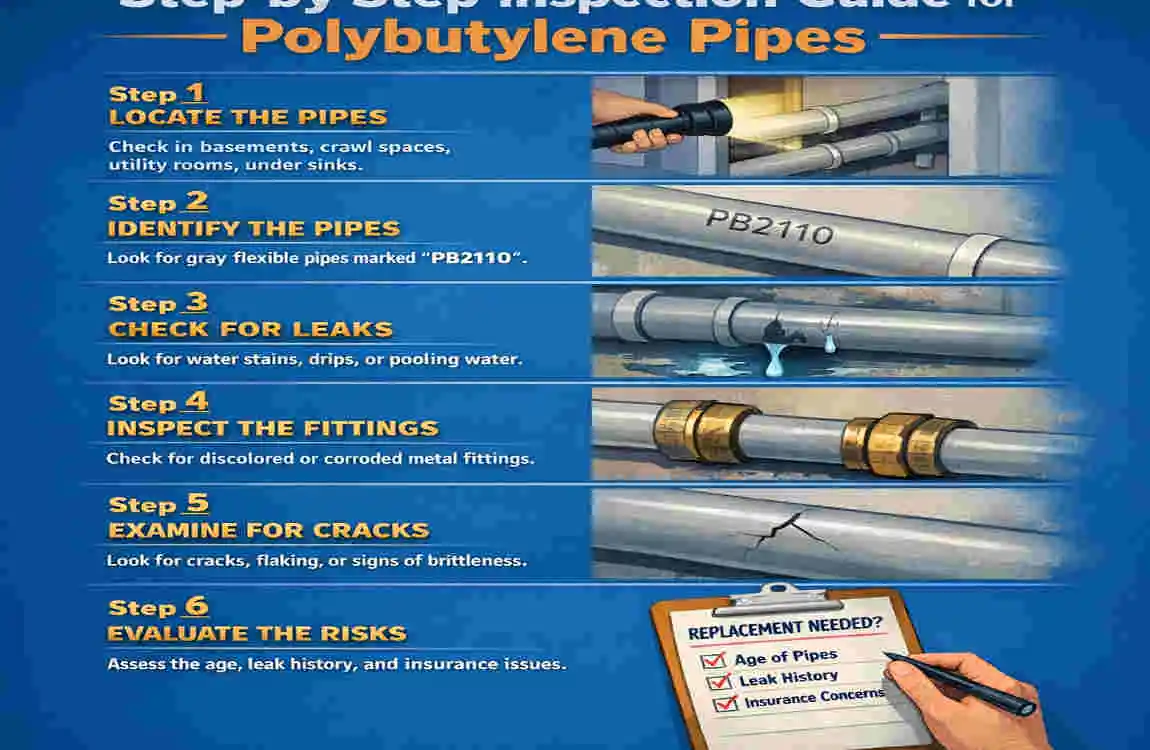
If you want to know whether you have this material at home, here is a quick visual identification guide. First, look at the size. The pipes are usually 1/2 to 1 inch in diameter. Second, look for the markings. If you shine a flashlight on the side of the tubing, you will often see “PB2110” or the “Qest” manufacturing brand stamped right into the plastic.
You will find these common locations scattered throughout your property. They are usually hiding inside your interior walls, buried deep under your concrete foundation slabs, or running along the ceiling of your dark crawlspaces and basements.
Understanding this history directly ties back to our main topic. Knowing why buyers are terrified of this material answers the question of can you sell a house with polybutylene pipes right upfront. You have to know the enemy before you can defeat it.
Can You Sell a House with Polybutylene Pipes? The Short Answer
Let us cut right to the chase and give you the direct answer: Yes.
It is completely legal to sell a home with this older plumbing in almost every single state across the country. There is absolutely no federal ban that forces a homeowner to rip out their plumbing before transferring the deed to a new owner. However, while the law is on your side, the reality of the real estate market is a bit more complicated. Buyer hesitation is very real. When buyers see “polybutylene” on an inspection report, they immediately picture flooded living rooms and ruined furniture. Because of this intense fear, you can expect their initial offers to drop by about 5% to 10%, according to housing market data from Realtor.com.
The market realities are something you must face head-on. A recent survey from the National Association of Realtors (NAR) found that 70% of potential buyers will explicitly request that you replace the defective plumbing before they agree to close the deal.
There are definitely pros of selling as-is. If you do not have the cash to hire a plumber, selling the home in its current condition means you do not have to drain your savings account. You can achieve a much faster sale if you price the house right from the start. By pricing the home slightly below market value, you attract investors and flippers who are more than happy to take on a plumbing project.
However, there are major cons to leaving the pipes untouched. The biggest hurdle you will face involves the bank. Appraisals can take a major hit if the appraiser has to note defective material. Furthermore, you might face outright financing denials. Government-backed mortgages, such as FHA and VA loans, have incredibly strict underwriting guidelines. In many cases, an FHA underwriter will flat-out refuse to approve the buyer’s loan until those dangerous pipes are removed.
You also need to keep regional notes in mind. Selling a house with this plumbing is notoriously tougher in states like California and Florida. Why? Because these warm-weather states often use extremely high levels of chlorine in their municipal water supplies to kill bacteria. Higher chlorine means the pipes degrade much faster, making buyers in these states hyper-aware of the risks.
Legal Considerations by State
While no federal law prevents you from selling, you must comply with strict state-level disclosure laws. In over 30 states, it is legally mandatory for you to tell the buyer about these pipes proactively. For example, if you live in California, the standard Seller Property Questionnaire specifically requires you to list any known plumbing defects.
If you decide to play dumb and hide the pipes, your seller liability goes through the roof. If the buyer moves in, the pipe bursts, and they discover you painted over water stains to hide the truth, they will drag you into court—non-disclosure lawsuits in real estate average well over $50,000 in damages, plus attorney fees. The golden rule is simple: always be transparent.
Step-by-Step Inspection Guide for Polybutylene Pipes
If you want to maintain control over the sale of your home, you cannot wait for the buyer’s inspector to find the problem. You need to inspect the home yourself first. Why inspect early? Because finding the problem on your own terms catches 80% of major negotiation issues before they become a dealbreaker (according to HomeAdvisor). It allows you to control the narrative.
Here is a simple DIY checks guide you can follow this weekend:
- Shut off the water and remove access panels: Before you go poking around your plumbing, turn off the main water valve to your house. Then, open up the access panels behind your bathtubs, look under your kitchen sink, and venture down into your basement or crawlspace.
- Look for brittleness, discoloration, and pinholes: Grab a bright flashlight. Run your hand gently along the gray or blue plastic tubing. Does it feel hard and brittle? Do you see a white, chalky discoloration on the outside of the plastic? Are there tiny, microscopic pinholes that look like they have been weeping water? These are massive warning signs.
- Perform a basic pressure test: You can run down to your local hardware store and buy a simple water-pressure testing kit for about $20 to $50. You screw it onto your exterior hose bib. If the pressure is wildly inconsistent, it could mean your pipes are swelling and failing internally.
While DIY checks offer peace of mind, a pro inspection is always your safest bet. You should absolutely hire a licensed plumber. This usually costs between $300 and $600. A professional plumber has specialized tools, like flexible borescopes (tiny cameras on a wire), that they can snake into your walls to see the pipes that you cannot reach.
During the inspection, keep an eye out for severe red flags. If you notice unexplained wet spots on your drywall, experience sudden low water pressure when taking a shower, or constantly smell a musty, moldy odor in your hallways, your pipes are likely already leaking behind the walls.
To help you budget for this phase, here is a handy cost breakdown table:
Inspection Type Cost Time Coverage
DIY Visual Free – $50 1 to 2 hours Basic surface level
Pro Pressure Test $300 – $600 2 to 4 hours Full internal check
Full Replumb Quote $1,000+ (for the blueprint/quote) 1 full day Highly detailed planning
Pro tip for sellers: Document absolutely everything. Take clear photos of the pipes under your sinks. Keep the receipt from the plumber. Ask the plumber to write up an official report on their company letterhead. Having all this documentation ready makes filling out your disclosure paperwork incredibly easy and proves to the buyer that you are an honest, proactive homeowner.
Repair vs. Replacement: Costs, Options & ROI
Once you confirm the dreaded gray plastic is living in your walls, you have to make a choice. Do you try to fix it, or do you rip it all out?
First, let us bust some dangerous repair myths. You can hire a handyperson to patch the one tiny section of pipe that is leaking. Do not do this. According to the Plumbing Manufacturers Institute, spot-patching polybutylene fails about 60% of the time in the long term. Remember, the chlorine in the water rots the pipe from the inside. If a pipe under your sink is leaking, the pipe running through your ceiling is likely just as rotten. Fixing one spot pushes the water pressure to the next weakest link, causing a new burst a few weeks later.
Because patches are useless, a full replacement is truly the gold standard in the real estate world. When you tear out the old plastic and replace it with modern materials like PEX, CPVC, or copper, you eliminate the buyer’s fear.
- Cost: Ripping out all the plumbing in a standard 1,500-square-foot home generally costs between $4,000 and $15,000. You should estimate about $5 to $10 per square foot of your home.
- Timeline: The entire job, including cutting the drywall, running the new pipes, and patching the walls back up, takes about 3 to 7 days depending on the size of the crew.
There are some partial fixes available. In very specific situations, a plumber might be able to “sleeve” damaged sections of underground pipes without digging up your yard. This can cost a much lower $1,000 to $3,000. However, savvy buyers will still see the word “polybutylene” on the inspection report and will likely demand a full replacement.
If you are worried about the massive upfront cost, consider the incredible ROI for sellers. Upgrading your plumbing is not just a sunk cost; it is an investment. According to Zillow’s housing analysis, completely replacing old, defective plumbing can boost your home’s final sale value by a solid 5% to 8%. The project virtually pays for itself at the closing table.
If you are cash-poor but equity-rich, look into creative financing. You can take out a short-term home equity loan to pay the plumber. Alternatively, you can offer the buyer “seller credits” at closing. This means you agree to knock $10,000 off the final sale price so the buyer can use that money to hire their own plumber after they move in.
Consider this before-and-after case study from a recent real estate market report: A homeowner’s house sat on the market for 60 days with no offers due to old plastic pipes. They finally pulled the listing, spent $8,000 to replace the plumbing, and relisted it. The home sold 20% faster the second time around and actually sparked a bidding war because buyers loved the “brand new plumbing” feature.
Best Replacement Materials Comparison
If you decide to replace the pipes, you need to know what to put in their place. Here is a comparison of the best materials available today:
Material Cost per foot Lifespan Pros
PEX (Cross-linked Polyethylene) $1 – $2 50+ years Incredibly flexible, highly affordable, will not corrode, and expands to prevent freezing.
Copper $3 – $5 70+ years The ultimate durable standard, bacteria-resistant, withstands extreme temperatures, and adds massive resale value.
CPVC (Chlorinated Polyvinyl Chloride) $2 – $3 50 years Excellent heat resistance, does not degrade from city chlorine water, and is very easy for plumbers to install.
Full Disclosure: How to Protect Yourself Legally

We have touched on it briefly, but we need to dive deep into the legal side of things. How do you protect yourself and your family’s finances when selling a house with a known defect?
First, you need to understand the difference between federal and state rules. As we mentioned, there is no national mandate forcing you to remove the pipes. However, the days of relying on an “as-is” clause to protect you are long gone. Simply writing “sold as-is” in your real estate contract does not permit you to commit fraud. If you know the pipes are bad and you deliberately hide that fact, the “as-is” clause will not hold up in front of a judge.
To keep yourself totally safe, follow this ultimate seller’s checklist:
- Complete property disclosure forms thoroughly: Get the standard forms from your real estate agent and fill them out honestly. If there is a box for plumbing, check it, and write down the material.
- Attach your inspection reports: Remember that plumber you hired earlier? Take their official report and staple it directly to your disclosure paperwork. This proves you are hiding nothing.
- Conduct a verbal walkthrough: When you or your agent are showing the house to serious buyers, physically point out the plumbing access panel. Verbal confirmation, backed up by written documentation, is the ultimate legal shield.
When you disclose this information, you will undoubtedly face buyer negotiations. Do not take it personally; it is just business. The best strategy is to offer credits proactively. Offering a 2% to 5% credit on the overall sale price shows the buyer that you are reasonable and willing to share the repair burden.
If you are wondering exactly what to write on your paperwork, here is some excellent sample disclosure language you can use: “Seller notes that the property currently contains original polybutylene pipes. A recent professional plumbing inspection report has been conducted and is readily available upon buyer request.”
If you ignore this advice, the litigation risks are severe. If you actively hide a water leak behind fresh paint, the buyer can sue you for fraud. The statute of limitations for a buyer to sue a deceptive seller ranges from 2 to 10 years depending on your specific state laws. You could be dragged into a lawsuit a decade after you sold the house!
Real-Life Case Studies: Successful Sales with PB Pipes
Sometimes, the best way to understand can you sell a house with polybutylene pipes is to look at real people who have successfully navigated the process. Let us explore three distinct real-life scenarios.
The Proactive Flipper in Texas A real estate flipper bought a charming 1980s ranch-style home in Texas. During his initial walkthrough, he spotted the dreaded gray tubes under the kitchen sink. Instead of panicking, he viewed it as an opportunity. He proactively ripped out every inch of the old plastic and installed bright, flexible PEX tubing. It cost him roughly $7,500 upfront. When he listed the house, he made sure the bolded words “Brand New PEX Plumbing Installed This Month!” were the very first thing buyers read in the property description. Because buyers were thrilled to skip the headache of plumbing issues, he received multiple offers and sold the house for a massive 10% over his original asking price.
The Quick “As-Is” Sale in California An elderly couple in California needed to downsize quickly to move into an assisted living facility. They did not have the cash, energy, or time to hire a plumber and live through a week of drywall dust. They decided on an honest, as-is sale. They disclosed the plumbing issues right on page one of their listing. A young, handy couple fell in love with the neighborhood but were strapped for down-payment cash. The sellers offered a generous $10,000 seller credit at closing to cover the future replumbing costs. Both parties were thrilled, and the house closed seamlessly in exactly 30 days.
The Cautionary Tale of a Failed Sale A seller in Florida noticed a tiny puddle under his bathroom vanity. Instead of calling a professional, he bought a cheap rubber patch kit, clamped it over the gray pipe, wiped up the water, and kept his mouth shut. He marked “no known defects” on his seller’s disclosure. The house sold quickly. However, just one week after the new buyer moved in, that cheap patch blew off. Water flooded the entire main suite, ruining the hardwood floors. The buyer hired a plumber who immediately identified the patched polybutylene. The buyer sued the seller for deliberate fraud, and the seller was forced to pay for a fully flooded living room, the mold remediation, and all of the buyer’s expensive attorney fees.
The Key Takeaways: Preparation and correct pricing are your ultimate wins. If you fix it, advertise it. If you cannot fix it, disclose it and offer a fair credit. If you try to hide it, you will lose everything.
FAQs: Selling a House with Polybutylene Pipes
Let us quickly review some of the most common questions homeowners ask when dealing with this stressful plumbing situation.
Can you sell a house with polybutylene pipes without having to replace them? Yes, absolutely. As long as you provide full and honest disclosure to the buyer, you are well within your legal rights to sell the property exactly as it stands today. Just be prepared to negotiate the price.
Do lenders actually care about this type of plumbing? Yes, they care deeply. While conventional lenders might overlook it if the home appraises well, government-backed programs like FHA and VA loans are incredibly strict. They often outright require the seller to fix the dangerous pipes before they will wire the funds to close the mortgage.
How much does a full replacement actually cost? While prices vary wildly based on your zip code and the size of your home, you should generally expect to pay anywhere from $4,000 to $15,000 for a whole-house replacement.
Is polybutylene plastic dangerous to my health? No, the plastic material itself does not leach toxic chemicals into your drinking water. The danger comes from the catastrophic leaks. When pipes burst inside your dark, humid walls, they create a perfect breeding ground for toxic black mold, which poses a massive health risk to anyone breathing the air in your home.