
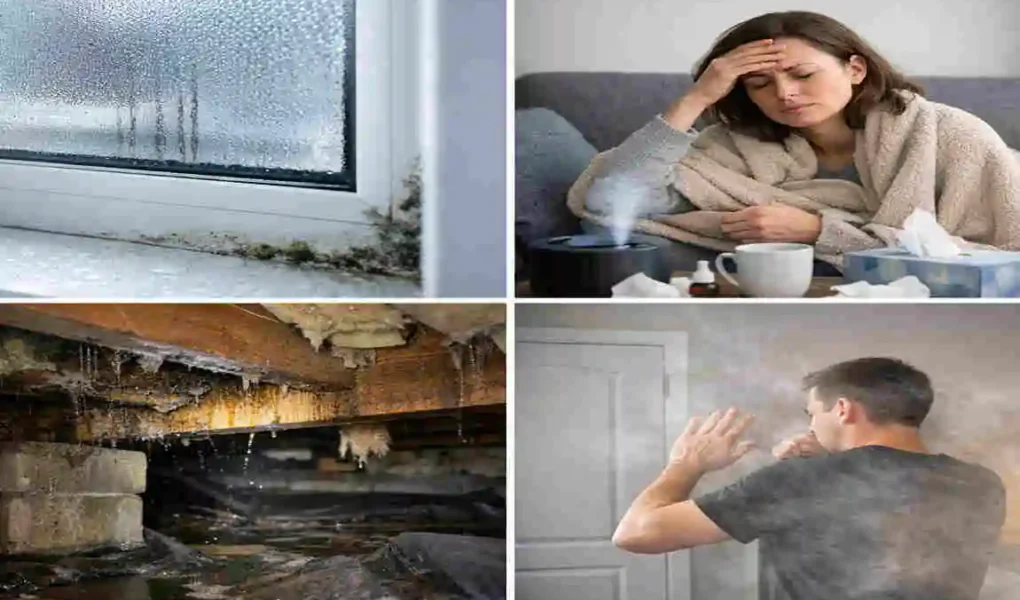
Imagine this scenario: You have spent the last few weekends dedicating your time to energy efficiency. You have caulked every window frame, weather-stripped every door, and maybe even upgraded to high-end spray foam insulation in the attic. You did this to save money on heating and cooling, expecting a cosy, draft-free sanctuary. But instead of feeling comfortable, something feels… off. The air feels heavy. The windows are weeping with condensation. You wake up with a headache.
You might find yourself asking a question that seems to go against everything we are taught about energy efficiency: Can a house be too airtight?
The short and direct answer is yes. A house can indeed be too airtight, especially if it lacks a dedicated ventilation strategy. When natural air exchange drops below healthy levels—typically considered under 0.35 Air Changes Per Hour (ACH) by many building standards—you stop living in a home and start living in a plastic bag.
While modern building codes since the early 2000s have pushed for increasingly tight building envelopes to conserve energy, there is a catch. If you seal the “envelope” of your home without adding a mechanical way for the house to “breathe,” you trap moisture, chemicals, and carbon dioxide inside with you. In fact, estimates suggest that a significant portion of modern or recently retrofitted homes are overly tight, leading to a rise in Indoor Air Quality (IAQ) complaints.
What Does “Too Airtight” Actually Mean?
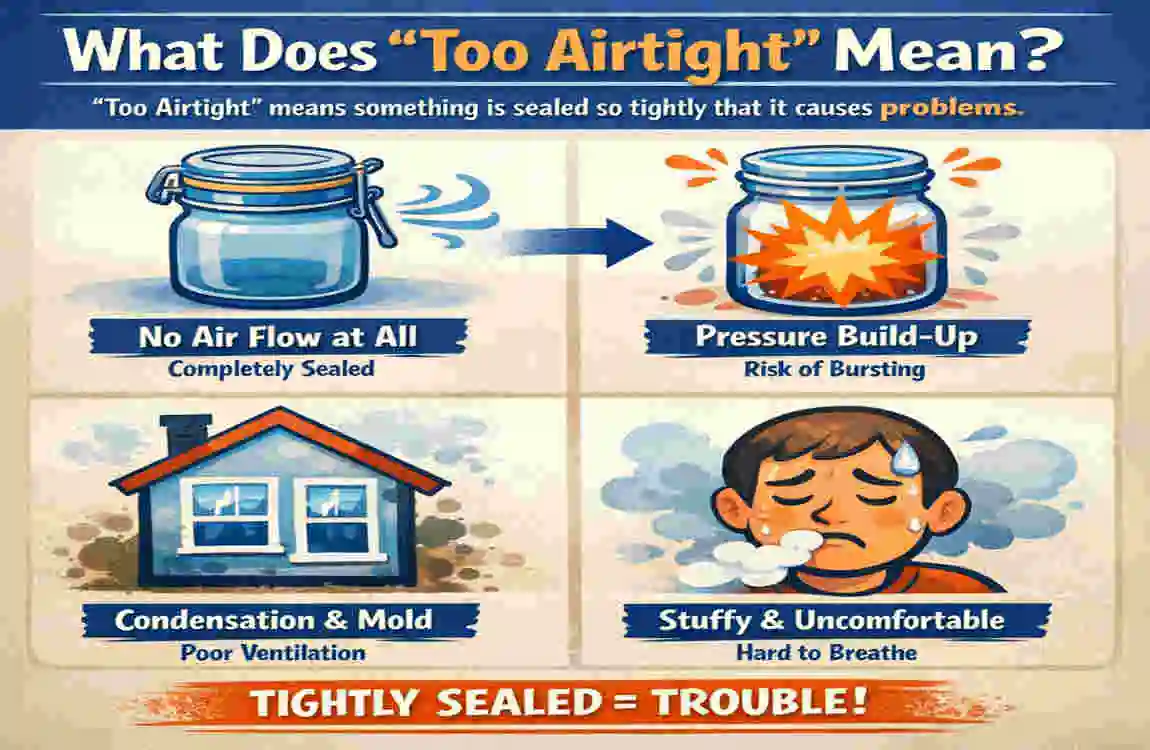
To understand if a home is too sealed up, we first need to understand how houses breathe. In older construction—think homes built before 1980—houses were naturally “leaky.” Air would seep in through cracks in the siding, gaps around windows, and holes in the attic floor. While this was terrible for your heating bill, it actually meant the house had plenty of fresh air.
When we ask, “Can a house be too airtight?” we are talking about the Air Changes Per Hour (ACH). This is a measure of how many times the entire volume of air in your house is replaced by fresh outdoor air in one hour.
The Numbers Game
For a home to be energy efficient, we generally want that ACH number to be low, often around 3 to 5 ACH when tested with a blower door (a specialised fan test). However, when that number drops below 1 or 2 ACH and no mechanical ventilation system is installed (such as an HRV or ERV), the home is considered “too airtight.”
Think of your home like a human lung.
- A drafty house is like hyperventilating—too much air moving too fast, wasting energy.
- A balanced house takes deep, controlled breaths.
- An overly airtight house is like holding your breath. Eventually, you run out of oxygen, and carbon dioxide builds up.
The “Build Tight, Ventilate Right” Mantra
Building scientists and construction pros live by a simple rule: “Build tight, ventilate right.” The goal isn’t to build a leaky house; it’s to build a tightly sealed house, then use fans and vents to control exactly how much fresh air comes in and where it comes from.
If you skip the “ventilate right” part, you run into the following issues:
- Trapped Pollutants: Cooking fumes, off-gassing from carpets, and cleaning chemicals stay inside.
- Moisture Buildup: Showers and boiling pasta add gallons of water to the air that has nowhere to go.
- Oxygen Depletion: Yes, you can actually lower the oxygen levels and raise CO2 levels just by breathing in a sealed room.
Why Modern Homes Get Too Airtight
You might be wondering, “If airtightness causes problems, why do we build this way?” The primary driver is energy codes. The International Energy Conservation Code (IECC) and local regulations have become increasingly strict over the last two decades. The goal is noble: reduce carbon footprints and lower utility bills.
To meet these codes, builders have turned to advanced materials. We are seeing:
- Whole-house spray foam insulation that creates an almost perfect air barrier.
- High-performance windows with advanced weatherstripping.
- House wraps and vapour barriers that seal the exterior shell.
The DIY Factor
It isn’t just new construction, though. Many homeowners unintentionally create these problems during renovations. If you go on a “weatherization spree”—caulking every gap, sealing the attic, and replacing old windows—without updating your ventilation strategy, you can accidentally suffocate an older home that relied on those leaks for fresh air.
Statistics from HVAC associations suggest that a large percentage of “tight” homes lack the necessary Energy Recovery Ventilators (ERVs) or Heat Recovery Ventilators (HRVs) required to keep the air healthy. This is often because builders or homeowners want to save money on the upfront cost of the equipment, not realising they will pay for it later through health and moisture damage.
Key Signs Your Home Is Too Airtight
How do you know if your home has crossed the line from “efficient” to “suffocating”? The house will usually tell you, often through physical symptoms in the building structure or health symptoms in your family.
Here are the 9 most common signs that you need to address your ventilation immediately.
Stuffy, Hard-to-Breathe Air
This is usually the first and most obvious sign. When you walk into your home from the outside, does the air feel “thick,” “heavy,” or stale? Do you wake up feeling groggy even after a full night’s sleep?
This is often caused by high levels of Carbon Dioxide (CO2). In a drafty house, CO2 from your breathing escapes easily. In a sealed house, it accumulates. If you have a CO2 monitor, you might see levels spiking above 1,000 ppm (parts per million). While not immediately toxic, these levels cause brain fog, fatigue, and that feeling of “stuffiness.” If opening a window makes the room feel instantly better, your home is likely air-starved.
Excess Humidity & Condensation
Water is the enemy of a healthy home structure. In a normal household, a family of four can generate up to 3 gallons of water vapour per day just by cooking, showering, and breathing.
If your house is too airtight, that moisture is trapped. You will see:
- Foggy windows: Specifically, condensation on the inside of the glass during winter.
- Damp walls: Ideally, your relative humidity should be between 30% and 50%. If your Hygrometer consistently reads over 60%, and you aren’t running a humidifier, your tight seal is trapping moisture.
- Sweating pipes: Toilet tanks or cold water pipes might drip condensation because the ambient air is so saturated.
Mould & Mildew Growth
This is the inevitable result of Sign #2. If moisture cannot escape, it will find a cold surface to condense on, and mould will follow.
In an overly airtight home, look for small black or green spots in areas with low airflow. Check the corners of exterior walls, inside closets, and behind furniture pushed up against a wall. This isn’t just a cleaning annoyance; it is a serious health hazard. If you smell a musty odour but can’t see the source, the mouldmould might be growing in wall cavities because water vapour is being pushed into the walls and can’t dry out.
Rising Energy Bills (The Paradox)
Wait, wasn’t sealing the house supposed to lower the bills? Generally, yes. However, there is a paradox here. If your home is too humid because it is too airtight, your air conditioner has to work significantly harder in the summer.
Air conditioners don’t just cool air; they dehumidify it. It takes more energy to cool down humid air than dry air. If your home is trapping humidity like a greenhouse, your AC unit might be running short, frequent cycles to drop the temperature, but failing to remove the moisture. This results in a “clammy” cold feeling and a surprisingly high electric bill.
Persistent Odours
Think about what you cooked for dinner three days ago. If you can still smell the fish or broccoli you cooked on Tuesday when you walk in the door on Friday, your house is not exchanging air.
In a well-ventilated home, odours should dissipate fairly quickly as fresh air replaces the stale air. Persistent odours from cooking, pets, or even the garbage bin are clear indicators that the air is stagnant. This is often referred to as the “Tupperware Effect.”
Window or Seal Fogging
We mentioned condensation on the glass earlier, but this is slightly different. Sometimes, the pressure differences in an overly tight home can actually stress the seals of double-paned windows.
Furthermore, if you see moisture behaving strangely—like water pooling on window sills even when it isn’t raining—it’s a sign that the warm, moist indoor air is pressing hard against the cold surfaces, desperate to get out.
Drafts in Odd Places Reverse Stacking
This sounds counterintuitive. If a house is airtight, why would there be drafts?
When you run exhaust fans (like the range hood or bathroom fan) in a perfectly sealed house, you create negative pressure. You are pushing air out, but no new air can come in to replace it. The house will try to suck air in from wherever it can.
- You might feel a draft coming out of electrical outlets.
- You might feel a breeze coming down the chimney (bringing soot smells with it).
- You might feel air rushing in under the front door.
This is the house gasping for breath.
Health Symptoms Sick Building Syndrome
Sometimes the house looks fine, but the people living in it do not feel fine. “Sick Building Syndrome” is a real condition often linked to poor ventilation.
Watch for symptoms that appear only when you are at home and vanish when you leave:
- Dry, itchy eyes or throat.
- Chronic coughing or sneezing.
- Headaches that start an hour after getting home.
- Worsening asthma or allergy symptoms.
Because the house is sealed, concentrations of Volatile Organic Compounds (VOCs)—chemicals released by new carpets, paint, furniture, and cleaning products—can build up to toxic levels.
Pest Intrusion Signals
This is a strange one, but it happens. If your house is tightly sealed but has created a negative pressure zone (as mentioned in Sign #7), it creates a vacuum effect.
If there is even a tiny pinhole entry point in your basement or attic, the house will actively suck air—and anything in that air—into the home. This can attract ants, spiders, and other small pests that might have otherwise walked on by. If you notice bugs congregating near specific vents or wall penetrations, they might be following the airflow suction.
Summary Table: Signs & Quick Tests
SignSymptomQuick TestHealth/Risk Impact
Stuffy Air Heavy atmosphere, headaches, CO2 monitor >1000 ppm Fatigue, poor sleep, brain fog
Excess Humidity Foggy windows, damp feel Hygrometer>60% RH Structural rot, discomfort
Mould Growth Black spots in corners Visual check + musty odour Respiratory issues, allergies
High Energy Bills, HVAC runs constantly. Audit usage spikes 15-25% extra cooling costs
Persistent Odours Cooking smells linger for days. The “Sniff Test” post-meal. Poor overall Indoor Air Quality
Window Fogging Water on glass/sills. Check in the morning. Water damage to frames
Odd Drafts, Air rushing in outlets/flues, Incense smoke test, Backdrafting of deadly carbon monoxide
Health Symptoms: Coughs, dry eyes. Symptom log (Home vs Away): Asthma triggers, long-term illness
Pest Intrusion Bugs near tiny vents, Trap checks, Structural damage
Health & Cost Impacts of Over-Airtightness
Ignoring these signs isn’t just about discomfort; it has tangible costs for your wallet and your physical health.
The Health Risk: The EPA ranks indoor air pollution among the top five environmental risks to public health. In a sealed home, you are essentially living in a chemical cocktail. Beyond the VOCs and mould spores, there is the silent killer: Radon. Radon is a naturally occurring radioactive gas that comes up from the soil. In a drafty house, it dissipates. In a tight house, it gets trapped in the basement and lower levels, significantly increasing lung cancer risks.
The Financial Cost: Structurally, moisture is expensive. If moisture generated inside the house is driven into the wall cavities (thermal diffusion) and cannot dry out, it can lead to dry rot in the framing studs and sheathing. You might not see this damage for years, but by the time you do, it could be a $10,000 repair job requiring you to strip the siding and replace structural wood.
Additionally, your HVAC system suffers. When an air handler tries to push air through a pressurised house with no relief, the blower motor operates under high static pressure, leading to early failure and costly replacements.
How to Test If Your House Is Too Airtight
If you suspect your home is suffocating, you need data. You can start with simple observations, but scientific testing is better.
The DIY Smoke Test
Pick a windy day or turn on all your exhaust fans (kitchen and bath). Take a stick of incense or a smoke pencil. Walk around the perimeter of your house.
- Hold the smoke near outlets, window frames, and baseboards.
- If the smoke shoots horizontally into the room, you have high negative pressure pulling air in through leaks because the house is too tight elsewhere to compensate for it.
Monitor CO2 and Humidity
For under $100, you can buy a decent-quality indoor air quality monitor.
- Healthy CO2: 400–800 ppm.
- Warning Zone: 1,000–1,200 ppm.
- Too Airtight: Consistent readings over 1,500 ppm indicate a severe lack of ventilation.
The Professional Blower Door Test
This is the gold standard. A professional energy auditor installs a large fan in your front door frame to depressurise the house. They measure the ACH (Air Changes Per Hour).
- ACH 50 > 5: Leaky house (needs sealing).
- ACH 50 = 3 to 5: Moderate (good balance).
- ACH 50 < 3: Tight (needs mechanical ventilation).
- ACH 50 < 1: Extremely tight (critical need for ventilation).
Fixes: Balance Airtightness & Ventilation
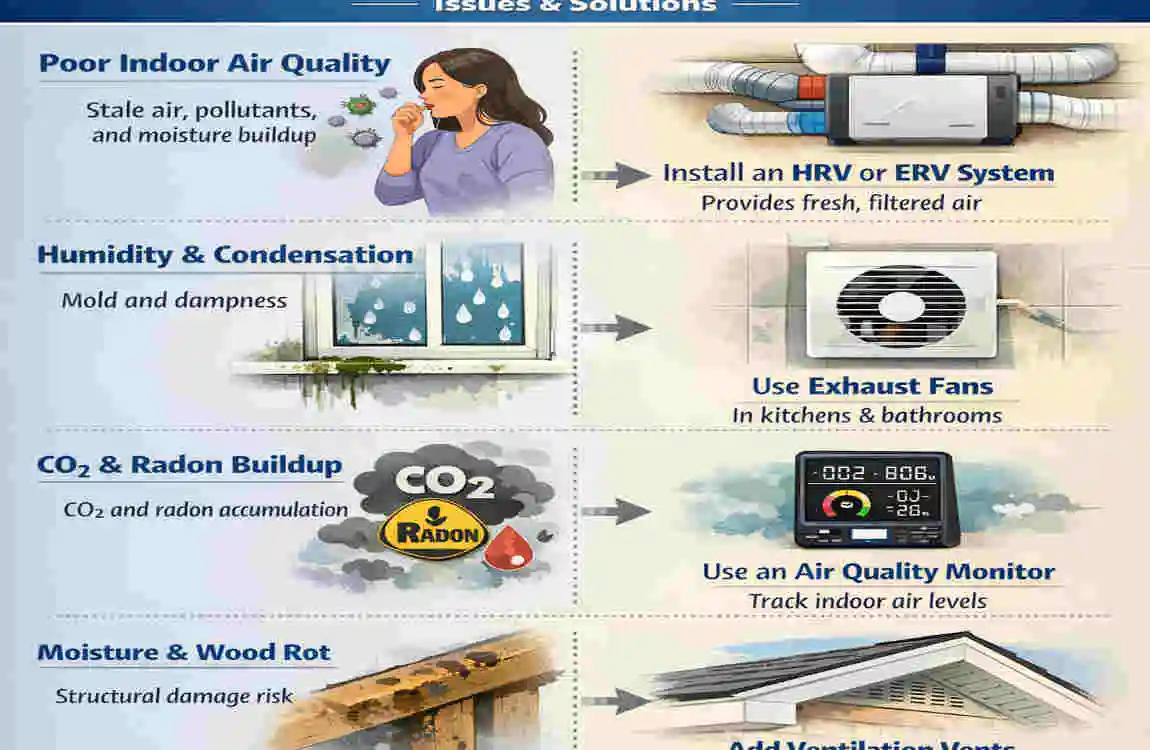
So, you have determined your house is too airtight. Do you need to start punching holes in the walls? Not exactly. The solution is Controlled Mechanical Ventilation. You want to keep the energy benefits of the seal but add “lungs” to the house.
Here is how to fix the problem step-by-step:
install an ERV or HRV
This is the best solution for modern homes.
- HRV (Heat Recovery Ventilator): Great for cold climates. It uses the warm, stale air leaving your house to heat the fresh, cold air coming in. You get fresh air without losing heat.
- ERV (Energy Recovery Ventilator): Best for humid or mixed climates. It transfers both heat and moisture. It keeps the humidity outside in summer and inside in winter.
These systems run quietly in the background, constantly swapping stale indoor air for filtered outdoor air.
install Dedicated Fresh Air Intakes
If an ERV is out of your budget, you can install a fresh air intake duct connected to your existing HVAC system. This is a controlled vent that opens when your furnace or AC runs, pulling in a measured amount of outside air, filtering it, and distributing it through your ducts.
Upgrade Exhaust Fans
Ensure your bathroom and kitchen fans are actually venting outside (not just recirculating) and are powerful enough. Look for fans rated for continuous use. You can swap standard switches for timer switches or humidity-sensing switches that ensure the fan runs long enough to clear the moisture after a shower.
Trickle Vents
In some window systems, you can retrofit “trickle vents.” These are small, controllable flaps at the top of the window frame that allow a tiny, steady stream of fresh air to enter the room without creating a major draft or security risk.
When to Call a Professional
While you can buy a humidity monitor yourself, fixing an overly airtight home involves complex building science. You should call a professional if:
- You find visible mould covering an area of more than 10 square feet.
- You have persistent condensation inside double-paned windows (glass failure).
- Your family has recurring health issues that doctors cannot explain.
- You want a Blower Door test to get an exact measurement of your home’s airtightness.
Professional energy auditors and HVAC specialists can calculate exactly how much ventilation your specific home volume requires (measured in CFM – Cubic Feet per Minute) to ensure you are safe without wasting energy.
FAQ: Can a House Be Too Airtight?
Q: Can a house actually be too airtight? A: Yes. While sealing a home is great for energy bills, if you seal it 100% without adding a way for fresh air to get in (mechanical ventilation), you trap moisture, chemicals, and stale air inside.
Q: What are the main signs my house is suffocating? A: The most common signs are windows that fog up (condensation) in winter, cooking smells that linger for days, mold growing in corners, and air that feels “heavy” or stuffy when you walk in.
Q: Is an airtight home bad for my health? A: It can be. Without fresh air exchange, pollutants like carbon dioxide, VOCs (chemicals from furniture/cleaning), and allergens build up to unhealthy levels. This causes headaches, fatigue, and can trigger asthma.
Q: Do I need to make my house “leaky” again to fix it? A: No. The golden rule is “Build Tight, Ventilate Right.” Keep your energy-efficient seal, but install a fresh air system (like an ERV or HRV) or quality exhaust fans to mechanically swap stale indoor air for fresh outdoor air.
Q: How do I test if my home is too tight? A: A simple way is to monitor CO2 levels; if they stay above 1,000 ppm, you need more air. For a precise measurement, hire a pro to perform a Blower Door Test.