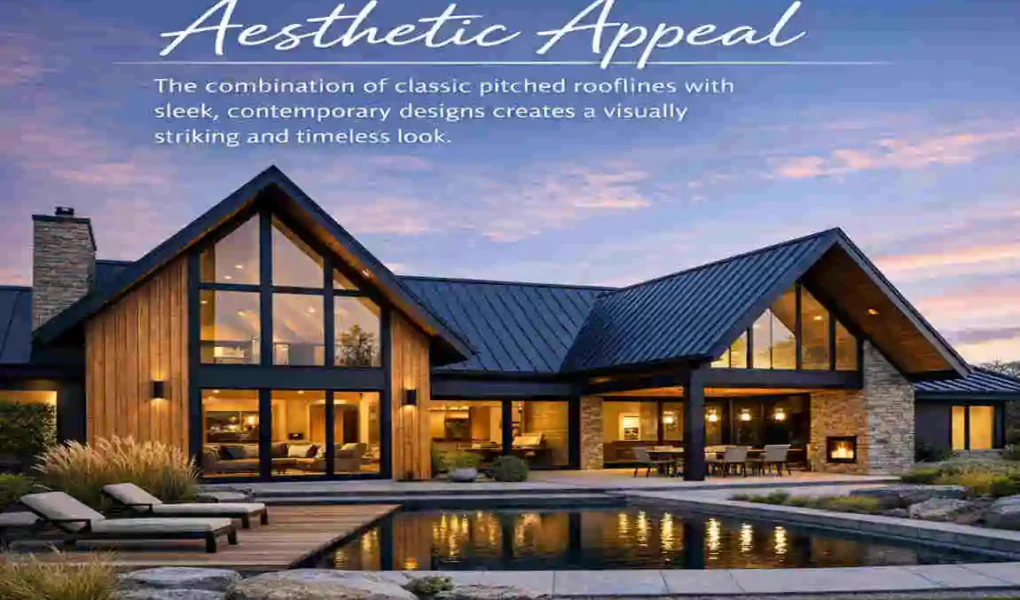
Modern pitched-roof homes have become one of the most talked-about choices in today’s housing design. You see them in city neighbourhoods, countryside settings, mountain retreats, and suburban communities. They stand out because they feel fresh, stylish, and practical all at once
Architects and homeowners are also drawn to the flexibility of modern pitched roof homes. These homes can look simple and minimal, or bold and dramatic. They can feel warm and cozy, or sleek and luxurious. The roof itself becomes part of the overall design story, not just a functional cover.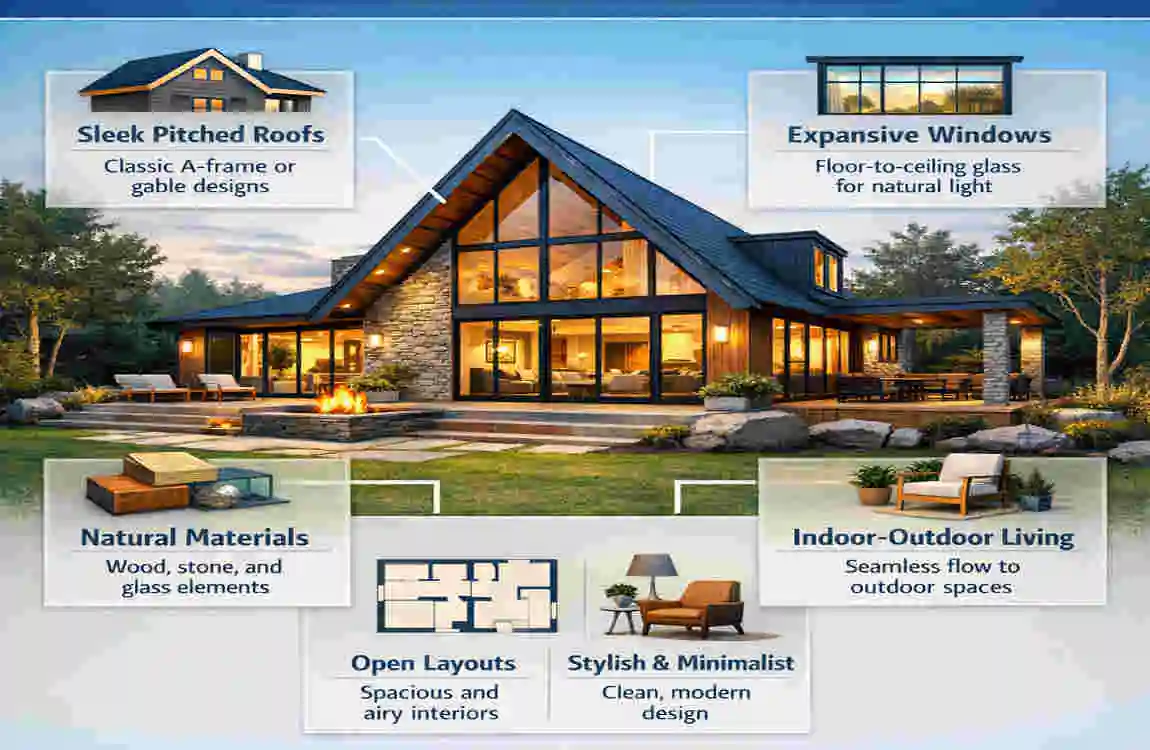
Understanding Modern Pitched Roof Homes
Modern pitched-roof homes are defined by one simple but powerful idea: a roof that slopes rather than remains flat. That basic shape has been used for centuries, but today it has been reimagined in new and exciting ways. Designers now pair pitched roofs with glass walls, clean lines, natural materials, and open floor plans to create homes that feel both timeless and current.
What Is a Pitched Roof?
A pitched roof is a roof with a slope or angle. Instead of lying flat across the top of a house, it rises upward on one or more sides. This angle helps water, snow, and debris slide off more easily. That makes it a very practical choice in many climates.
A pitched roof is often compared to a flat roof, but the difference goes beyond shape. Flat roofs can work well in certain designs and climates. Still, pitched roofs often offer better drainage, ventilation, and long-term performance. They also create more interesting interior spaces, such as vaulted ceilings and loft areas.
In simple terms, a pitched roof does two jobs at once. It protects the home from the weather and adds character to its appearance.
Evolution of Modern Pitched Roof Design
Pitched roofs started as a very practical solution in traditional homes. Early builders needed roofs that could shed rain and snow, so sloped roof shapes became the norm in many places. Over time, these roofs became a familiar part of residential architecture around the world.
Today, modern roof architecture takes that old idea and gives it a new life. Instead of heavy ornamentation or overly decorative shapes, modern homes often feature sharp rooflines, large windows, and simple forms. The result feels lighter and more refined.
Minimalism has played a major role in this change. Many contemporary pitched-roof homes feature fewer materials, cleaner edges, and more open space. Designers also use the roofline as a visual feature, making the home’s silhouette part of its identity. In this way, contemporary pitched-roof homes honour tradition while still feeling very much like homes of today.
Key Features of Modern Pitched Roof Homes
Modern pitched-roof homes are known for a mix of visual simplicity and smart functionality. Their design choices are usually intentional, with every element helping shape the look and performance of the home.
Clean Architectural Lines
One of the first things people notice about these homes is their clean, sharp lines. The roof usually follows a simple geometric form rather than a complicated or heavily decorated shape. This gives the house a calm, organised look.
Instead of trying to do too much, modern design often focuses on balance. The roof becomes part of a larger composition made up of straight edges, open spaces, and strong shapes. This creates a sleek appearance that feels elegant without being flashy.
These clean lines also help the house look modern from both close up and from afar. Whether viewed from the street or from across a landscape, the roof adds structure and visual order.
Large Windows and Natural Light
Another major feature of modern home exterior design is the use of large windows. Modern pitched-roof homes often feature floor-to-ceiling glass, wide panes, and dramatic window walls. These windows bring in a lot of natural light, which makes the home feel brighter and more open.
This design choice does more than improve appearance. Natural light can make a room feel bigger, warmer, and more welcoming. It also helps connect the home’s interior with the outside world. That connection is especially important in homes that sit near gardens, forests, hills, or open yards.
When a pitched roof is combined with generous glazing, the result can be beautiful. The roof gives the home shape and strength, while the windows soften the structure and add openness.
Open Interior Spaces
Modern pitched-roof homes often have open interiors that make the most of the roof’s height. A sloped roof can create vaulted ceilings, which make rooms feel airy and spacious. This extra volume is one of the main reasons people love this style.
Open layouts also support modern living. Kitchens flow into dining areas. Living rooms feel connected to other spaces. Light moves more freely through the home. All of this creates a sense of ease and comfort.
A pitched roof can also make smaller homes feel much larger inside. Even with a modest footprint, a high ceiling height can create a sense of space that flat ceilings often cannot match.
Sustainable Materials
Many modern pitched roof homes use materials that support sustainability and long-term performance. Metal roofing is especially common because it is durable, stylish, and often recyclable. Timber is also popular, especially for framing, cladding, and interior accents.
Eco-friendly building choices are becoming more important to homeowners. People want homes that look good, last long, and use fewer resources. That is why many modern designs now include recycled, low-maintenance, and energy-conscious materials.
The combination of a pitched roof structure and sustainable materials creates a home that feels both smart and responsible. It is a design choice that looks ahead rather than back.
Benefits of Modern Pitched Roof Homes
There are many reasons modern pitched-roof homes continue to grow in popularity. Their beauty matters, but their practical advantages matter just as much. Homeowners are increasingly looking for houses that are not only attractive but also durable, efficient, and comfortable to live in.
Superior Water Drainage
One of the biggest advantages of a pitched roof is water drainage. Because the roof slopes, rainwater runs off more easily rather than sitting on the structure. In snowy climates, the slope also helps snow slide away rather than build up too heavily.
This is a major reason the pitched roof house design has remained popular for so long. A roof that drains well puts less stress on the home. It also reduces the risk of leaks, standing water, and other moisture problems.
Better drainage usually means fewer maintenance worries over time. That makes the home easier to care for and more reliable in tough weather conditions.
Enhanced Energy Efficiency
Modern pitched-roof homes can be very energy-efficient. The shape of the roof often allows for better insulation, which helps keep indoor temperatures more stable. That can reduce heating and cooling costs over time.
The roof shape also makes it easier to create attic spaces, ventilation channels, and insulation layers that support energy performance. When designed correctly, a pitched roof can help retain warm air during cold seasons and release excess heat during warm seasons.
This is one reason energy-efficient roof designs have become so important in modern buildings. People want comfort, but they also want lower utility bills and less energy waste. A well-planned pitched roof can support both.
Increased Durability
Durability is another strong benefit. A pitched roof is often better suited to handling wind, rain, and snow than a flat roof. Its sloped structure naturally handles many weather challenges more effectively.
Modern materials also improve long-term performance. High-quality metal panels, strong underlayment, and advanced insulation systems can all add to the roof’s lifespan. When all of these parts work together, the home becomes stronger and more resilient.
This matters because a house is a long-term investment. Homeowners want a design that can withstand daily use and changing seasons. Pitched roof construction often delivers that kind of confidence.
Better Ventilation
Ventilation is often overlooked, but it is very important. Modern pitched roof homes can support better airflow through roof cavities, attic spaces, and ventilation systems. This helps reduce moisture buildup, which can otherwise lead to mould, rot, or discomfort.
Good airflow also helps regulate indoor temperatures. A properly ventilated roof keeps hot air from collecting in one place and helps the whole house feel more balanced.
If you care about a healthier indoor environment, this is a meaningful advantage. Better ventilation supports not just the roof itself but the overall comfort of the home.
Greater Property Value
Modern pitched-roof homes are often seen as visually appealing and well-built, which can support property values. Buyers tend to like homes that look stylish yet offer practical benefits like durability and energy savings.
The roofline itself makes a strong first impression. A well-designed pitched roof can make a home feel more polished, more Premium, and more memorable. That can matter a great deal in a competitive housing market.
In short, a beautiful roof is not just decoration. It can help shape how people view the entire property.
A Quick Comparison of Common Roofing Styles
Below is a simple comparison of some popular roof styles often used in modern homes:
Roof StyleMain LookKey BenefitBest For
Pitched Roof Sloped, classic, modern Great drainage and ventilation Most climates and styles
Flat Roof Low, boxy, minimal Simple modern appearance Warm or dry climates
Gable Roof Two slopes meeting at a ridge Easy water runoff Versatile residential designs
A-Frame Roof Very steep triangular shape Strong visual impact Cabins, retreats, compact homes
Hip Roof Slopes on all sides Good stability in wind Wind-prone regions
Popular Modern Pitched Roof Home Styles
One of the most interesting things about modern pitched-roof homes is how many styles they can accommodate. The same basic roof shape can look very different depending on the materials, proportions, and setting.
Scandinavian-Inspired Homes
Scandinavian-inspired homes often use simple roof forms, soft colours, and natural materials. These homes usually feel calm, bright, and practical. The design values function just as much as beauty.
A pitched roof suits this style very well, as it reinforces the minimalist approach. The roof line stays clean, and the overall shape remains easy to understand. Inside, the home often features light wood, open rooms, and a strong connection to nature.
This style is perfect for people who prefer a quiet, uncluttered atmosphere.
Modern Farmhouse Designs
Modern farmhouses combine old charm with fresh updates. They often use pitched roofs because the roof shape helps connect the home to traditional farmhouse design. At the same time, modern details such as black window frames, simple siding, and open layouts keep the look current.
This style is popular because it feels familiar without feeling old-fashioned. It works well for families, couples, and homeowners who want comfort with a contemporary edge.
The pitched roof gives the house a welcoming look while still leaving room for bold, updated design choices.
A-Frame Homes
A-frame homes have one of the most recognisable roof shapes in residential architecture. Their steep triangular form creates a dramatic outline that stands out immediately. The roof often extends down close to the ground, giving the house a compact but striking profile.
These homes are especially appealing for people who want something bold and distinctive. They often work well in wooded areas, mountain settings, or vacation locations. The roof becomes the house’s entire identity.
A-frames are also efficient in smaller spaces, making them a smart choice for compact living or retreat homes.
Contemporary Gable Roof Homes
Gable roofs are one of the most common forms of pitched roof design, and modern versions take that familiar shape and update it with better materials and stronger lines. Contemporary gable homes may feature large glass panels, mixed exterior textures, and minimal ornamentation.
Because the gable roof is so flexible, it works well in many different settings. It can look simple, elegant, bold, or luxurious depending on the details.
This makes it a favourite in modern residential architecture. It is practical, adaptable, and easy to recognise.
Luxury Mountain and Cabin Homes
In mountain and cabin settings, pitched roofs often become part of the landscape’s drama. Steep roof angles help handle snow, while the strong roof shape adds visual weight and beauty.
Luxury versions of this style may include oversized windows, dark cladding, natural stone, and dramatic overhangs. The roof often frames the entire home and helps it blend into its surroundings.
These homes show how modern roof architecture can feel both rugged and refined.
Why Architects Prefer Modern Pitched Roof Homes
Architects often prefer modern pitched roof homes because they provide a useful balance of form and function. The roof shape is familiar, but it also leaves room for creative expression. That makes it a reliable starting point for many projects.
Design Flexibility
A pitched roof can adapt to many climates and architectural styles. It works in snowy regions, rainy places, windy environments, and temperate zones. This flexibility gives architects more freedom when planning a home.
It also means the roof can support different design moods. Some homes feel minimalist and quiet. Others feel dramatic and sculptural. The same roof type can help create both.
That versatility is one of the biggest reasons pitched roofs remain so relevant.
Structural Advantages
From a structural point of view, a pitched roof often distributes weight efficiently. This can help the roof handle weather loads and stay stable over time. A well-built roof also improves the overall strength of the home.
This practical benefit is important because design should never stop at appearance. A home must perform well, not just look good. Pitched roof construction gives architects a strong foundation for creating homes that last.
Sustainability Opportunities
Modern pitched-roof homes also create opportunities for sustainable features. Sloped roofs are often ideal for solar panels because they can be angled toward the sun. They also work well with rainwater collection systems.
That means the roof can support both comfort and responsibility. A designer can create a beautiful home while also reducing environmental impact.
For many architects and homeowners, that combination is hard to beat.
Designing Your Own Modern Pitched Roof Home
If you are thinking about building your own home, the design process matters a lot. A pitched roof offers many options, but those choices should be made carefully. The right decisions will shape not just how the home looks, but how it feels and performs.
Choosing the Right Roof Pitch
Roof pitch refers to how steep the roof is. This angle affects drainage, appearance, attic space, and weather handling. A steeper pitch can create a more dramatic interior height, while a gentler pitch may feel subtler and more modern.
Climate should guide this decision. In snowy areas, steeper slopes can help snow slide off more easily. In hot or dry regions, the pitch might be chosen more for style and shading than for snow load.
You should always think about both function and appearance. The right pitch should support your needs, not just match a trend.
Selecting Roofing Materials
Material choice matters just as much as shape. Different materials offer different looks, lifespans, and levels of maintenance.
Here are some common options:
- Metal roofing: Durable, sleek, and often very long-lasting.
- Asphalt shingles: Affordable and widely used, with many design options.
- Clay tiles: Traditional in appearance and strong in hot climates.
- Composite roofing: Designed to offer a balance of durability and style.
The best choice depends on your budget, climate, and design goals. A modern pitched-roof home often looks strongest when the roofing material complements the overall aesthetic rather than fighting it.
Maximising Interior Space
One of the great advantages of pitched roof construction is the extra space it can create inside. You can use that height to add lofts, exposed beams, vaulted ceilings, or even partial upper levels.
This can make the home feel bigger and more flexible. It also gives you more options for storage, lighting, and room design.
A cathedral ceiling in the living room, for example, can make the entire house feel more open and inviting. That is a simple design move, but it can have a powerful effect.
Incorporating Modern Exterior Elements
The roof is only part of the full design. To create a true modern home, the exterior should work as a whole. Many homeowners choose features such as:
- Glass walls
- Natural wood accents
- Mixed-material facades
- Black metal trim
- Stone bases
- Large overhangs
These elements help the home feel updated and balanced. They also allow the roof to stand out without overpowering the rest of the design.
If you want your home to feel modern rather than traditional, these finishing touches matter a great deal.
Common Challenges and How to Overcome Them
Like any design choice, modern pitched roof homes come with a few challenges. The good news is that most of them can be managed with good planning and the right team.
Higher Initial Construction Costs
Some pitched-roof homes cost more to build at the start than simpler flat-roof designs. The structure may require more materials, more labour, or more detailed planning.
This does not mean the design is a bad investment. In many cases, the added durability and energy benefits offset the initial cost over time. The key is to plan your budget carefully and understand where your money is going.
If you are building a home, always look at the long-term value, not just the first price tag.
Roof Maintenance Requirements
A pitched roof is durable, but it still needs regular care. You should check for worn materials, loose flashing, blocked gutters, and signs of moisture problems.
Preventive maintenance is much easier and cheaper than dealing with major damage later. Small inspections can protect a home for many years.
If you stay proactive, the roof will usually reward you with reliable performance.
Design Complexity
Modern pitched roof homes can be visually simple, but the design process itself may be complex. The roof angle, structural supports, window placement, insulation, and exterior finishes all need to work together.
That is why experienced architects and builders are so important. A skilled team can turn a complicated idea into a smooth, functional home. They can also help prevent costly mistakes during construction.
Good design is not just about creativity. It is also about coordination.
Future Trends in Modern Pitched Roof Homes
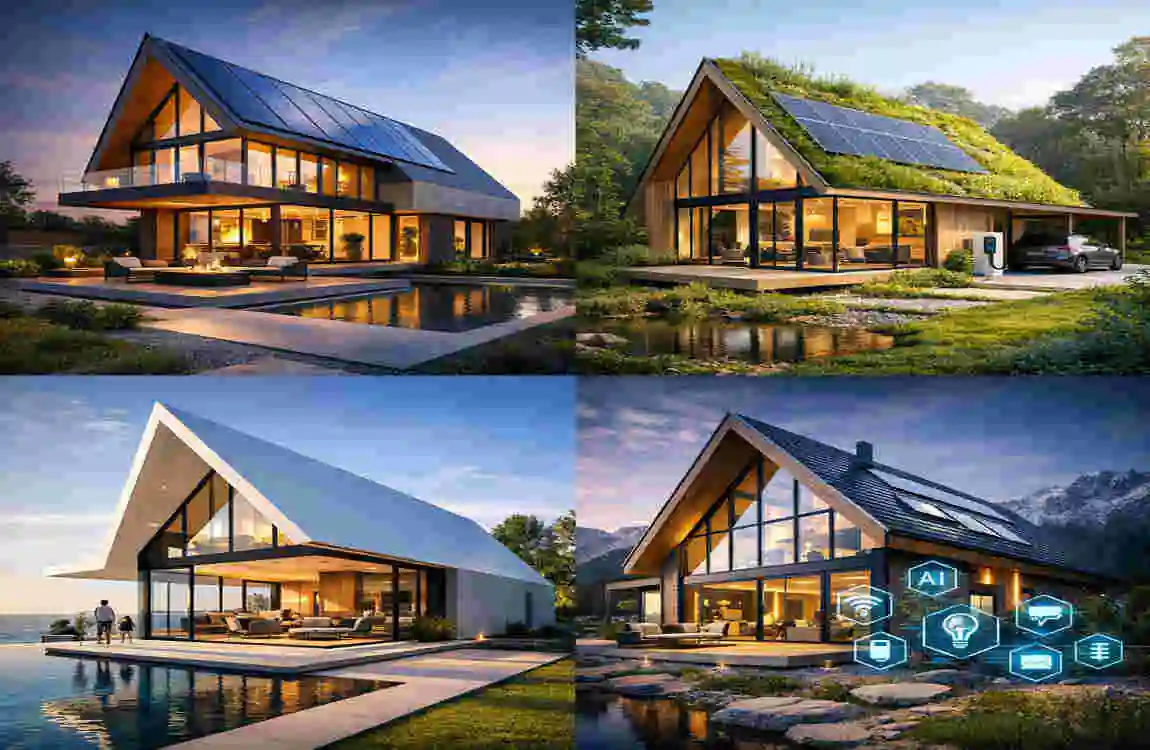
The popularity of modern pitched roof homes does not seem to be slowing down. In fact, several future trends suggest that they will become even more attractive in the years ahead.
Smart Home Integration
Many new homes now include smart systems that monitor energy use, control heating and cooling, and improve comfort. Pitched roof homes can support these systems well, especially when paired with strong insulation and solar planning.
This means the roof is becoming part of a larger intelligent home strategy. It is no longer just a physical cover. It is part of a connected living system.
As home technology continues to grow, pitched roofs will likely play an even bigger role in energy management.
Sustainable Building Practices
Sustainability is becoming increasingly important across every aspect of home design. New projects increasingly use recycled materials, lower-impact building methods, and roof systems that reduce waste.
Green roofing technologies may also become more common in pitched designs. While green roofs are more often associated with flatter surfaces, new solutions continue to expand what is possible.
Recycled and responsibly sourced materials will likely remain a major focus as homeowners seek healthier, more sustainable building choices.
Minimalist Luxury Designs
Another strong trend is the rise of minimalist luxury. This style combines simple forms with high-quality materials and polished finishes. A pitched roof fits perfectly into that idea.
The design looks clean and refined, but it still feels rich and comfortable. Instead of adding too many details, homeowners focus on texture, scale, light, and craftsmanship.
That balance of restraint and quality is likely to remain a major part of modern residential architecture.
Are Modern Pitched Roof Homes Right for You?
If you are considering this style, it helps to think about your climate, your lifestyle, and your budget. Modern pitched roof homes are not only beautiful; they are practical in many situations. But the right choice depends on your personal needs.
If you live in a rainy or snowy climate, a pitched roof may be especially useful. If you want a home with stronger visual character and more interior height, it is also a great fit. If you care about long-term value and energy performance, it can be a very smart investment.
You should also think about how you want your home to feel. Do you want something calm and simple? Bold and dramatic? Warm and family-friendly? A pitched roof can support all of these moods.
The best home is the one that fits your life, not just your taste.
Frequently Asked Questions
What are modern pitched roof homes?
Modern pitched-roof homes feature sloped roofs as a central design element. They combine traditional roof function with modern style, clean lines, and updated materials.
Are pitched roofs better than flat roofs?
In many cases, yes. Pitched roofs usually offer better drainage, stronger weather resistance, and more options for insulation and ventilation. Flat roofs can work well too, but pitched roofs are often more practical in rainy or snowy climates.
Are modern pitched-roof homes energy efficient?
Yes, they can be very energy efficient. Their shape supports better insulation, ventilation, and solar panel placement, all of which can help reduce heating and cooling costs.
What materials are commonly used for modern pitched roofs?
Common materials include metal roofing, asphalt shingles, clay tiles, concrete tiles, and composite roofing products. The best material depends on the climate, budget, and style of the home.
Do modern pitched-roof homes cost more to build?
They can cost a bit more at the beginning, depending on the design and materials. However, their durability and energy savings often make them a strong long-term investment.
Which architectural styles commonly use pitched roofs?
Pitched roofs are often found in Scandinavian homes, modern farmhouses, A-frame houses, contemporary gable homes, and luxury mountain or cabin homes.
Can solar panels be installed on pitched roofs?
Yes, they can. In fact, pitched roofs are often a great choice for solar panels because the slope can be designed to capture more sunlight.
| Key Factor | Why It’s Popular |
|---|---|
| Superior Weather Resistance | Sloped design naturally sheds rain and snow, reducing leaks and water damage |
| Better Energy Efficiency | More attic space allows thicker insulation; angled shape improves ventilation, lowering heating/cooling costs |
| Extra Usable Space | Loft/attic can be converted into bedrooms, offices, or storage—adding functionality and property value |
| Longer Lifespan | Durable materials (slate, tiles, metal) and natural drainage mean pitched roofs often last decades longer than flat roofs |
| Modern Aesthetic Appeal | Clean lines (especially mono-pitched) create a minimalist, contemporary look that boosts curb appeal |
| Solar Panel Friendly | Angled surface is ideal for solar panel installation, supporting renewable energy goals |
| Enhanced Natural Light | Higher or larger windows on the tall side of the slope let in more daylight—a hallmark of modern design |