Have you ever opened your monthly utility bill during the peak of summer or the dead of winter and gasped at the amount? If you are like most homeowners, you blame your air conditioner or your heater. But the real culprit might be sitting right above your head.
Your roof is your home’s first line of defense against the elements. It takes a constant beating from the sun, rain, wind, and snow. Because of this, homeowners frequently ask us, “What are the top 5 roofing materials in the USA?” They want to know because making the right choice directly affects their energy bills, their home’s overall value, and their family’s daily comfort.
How We Chose the Top 5 Roofing Materials
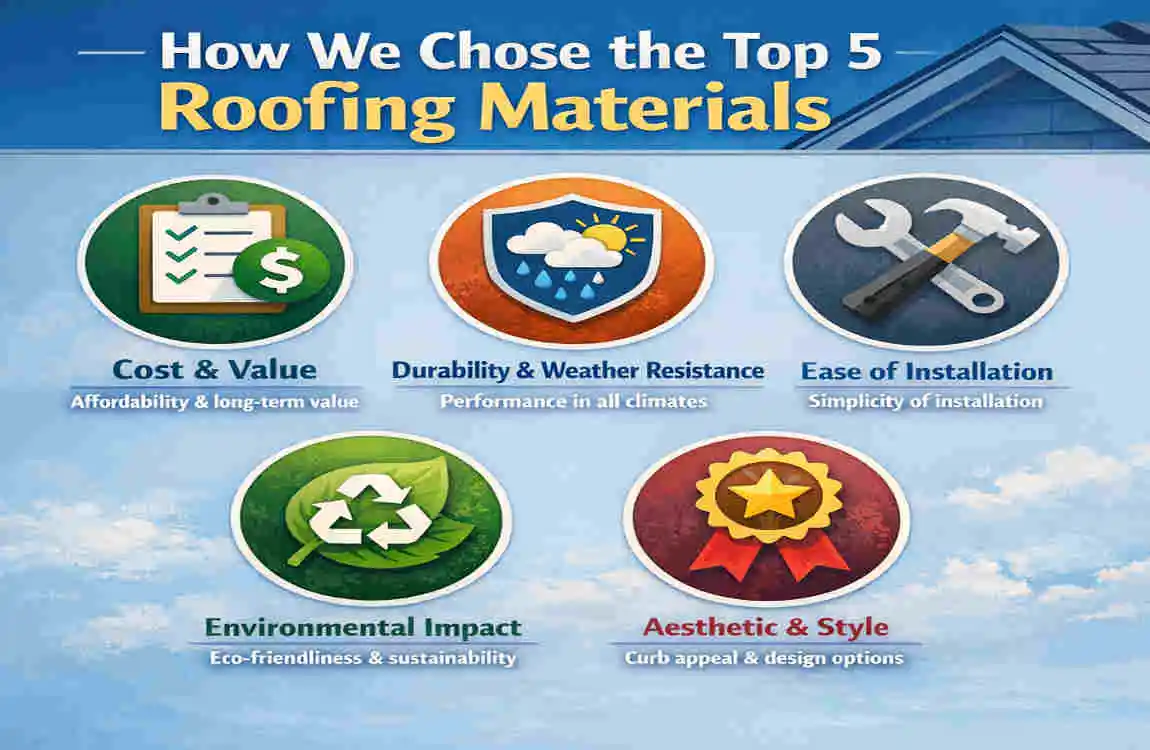
You might be wondering how we narrowed down the vast world of roofing into just five categories. We did not just pick our personal favorites; we looked at hard data and real-world performance.
To determine the absolute best options, we graded each material on several crucial criteria:
- Total Lifespan: How many years can you realistically expect the roof to last before it needs a complete replacement?
- Energy Performance: Does the material absorb heat and make your AC work overtime, or does it reflect the sun and keep your home cool?
- Overall Cost: We looked at both the upfront installation price and the long-term maintenance costs.
- Fire Resistance: With wildfires becoming a bigger concern in many states, how well does the material stand up to stray embers?
- Regional Suitability: Does the material perform well across different U.S. regions, or is it strictly a niche product?
Our final picks reflect both current popularity and the most trending upgrades on the market today. For example, we did not just look at standard shingles; we looked at solar-ready designs and highly reflective finishes that modern homeowners are demanding.
This list is heavily U.S.-centric. Building codes and weather patterns in America are unique. We want to help you confidently answer the question, “What are the top 5 roofing materials in the USA?” so you can find the perfect match for your own local climate and personal budget.
The Top 5 Roofing Materials in the USA at a Glance
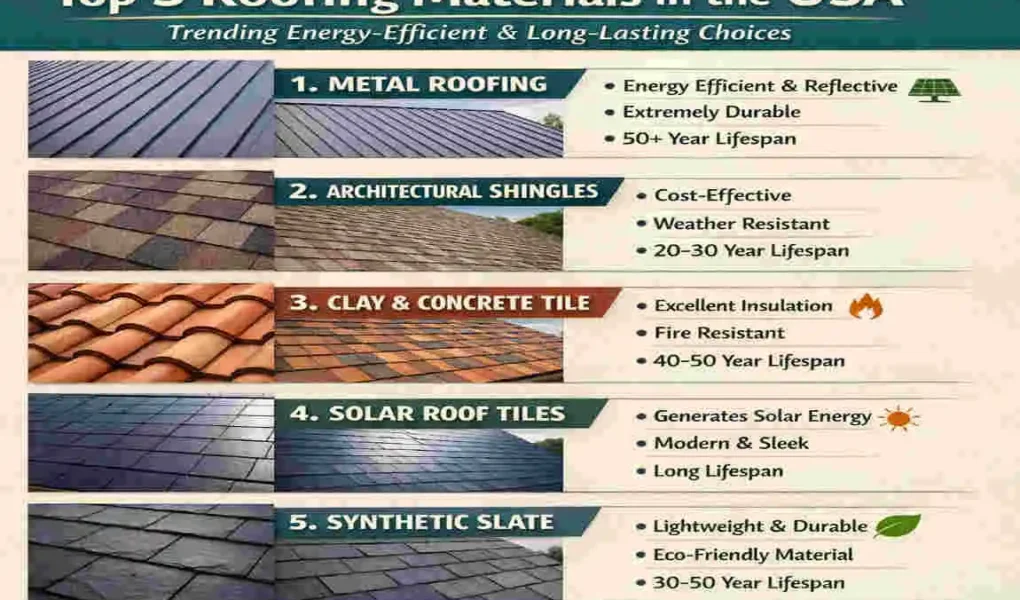
Before we dive deep into the specific details of each material, let’s look at the big picture. If you are quickly searching for what the top 5 roofing materials in the USA are, this handy comparison table will give you a fantastic starting point.
We have broken down the typical lifespan, the energy efficiency levels, the approximate cost, and a few quick notes on why each material made the cut.
Material, Typical Lifespan, Energy Efficiency, Approx. Cost LevelNotes
Asphalt Shingles 15–30+ years Moderate (with “cool” options) $$ The absolute most common choice in the USA.
Metal Roofing 30–70+ years High (reflective coatings) $$$ Growing incredibly fast; highly energy‑efficient.
Clay/Concrete Tile 50–100 years High (thermal mass + cool colors) $$$$ Extremely long‑lasting; very common in the Southwest.
Slate Roofing 75–200+ years Moderate–High (dense, fire‑resistant) $$$$$ A Premium, ultra-luxury choice that lasts lifetimes.
Wood Shakes/Shingles 20–40 years Moderate $$–$$$ Beautiful natural look, but requires higher maintenance.
What Are the Top 5 Roofing Materials in the USA? Asphalt Shingles
When people ask, “What are the top 5 roofing materials in the USA might include, asphalt shingles are usually the very first thing that comes to mind. In fact, if you take a walk through a typical American neighborhood, you will likely see asphalt shingles on eight out of every ten houses.
Why Asphalt Shingles Dominate U.S. Roofs
Asphalt shingles are the undisputed default choice for most homes in the USA. But why are they so incredibly popular? The answer comes down to three main factors: affordability, ease of installation, and massive variety.
First, they are budget-friendly. If you need a new roof right now and funds are tight, asphalt is going to be your most accessible option. Second, almost any roofing contractor in the country knows exactly how to install them. The labor is straightforward, which keeps the installation costs low. Finally, they come in a massive array of styles and colors. Whether you want a simple flat look (3-tab shingles) or a textured, multidimensional look (architectural shingles), asphalt can match any home’s design perfectly.
Energy Efficiency Upgrades for Asphalt
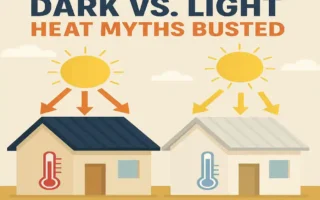
In the past, asphalt shingles were not known for their energy efficiency. They tend to soak up the sun’s heat, transferring it straight into your attic. However, technology has changed dramatically.
Today, you can buy “cool” or Energy Star-rated asphalt shingles. These modern shingles are manufactured with specially designed reflective granules. Instead of absorbing the sun’s harsh rays, these granules bounce the solar energy back into the sky. This simple upgrade can significantly reduce the cooling loads on your air conditioning unit, saving you a noticeable amount of money during the hot summer months.
Lifespan, Maintenance, and Climate Fit
While asphalt is one of the best roofing materials for the USA overall, it does have a shorter lifespan compared to Premium materials. You can typically expect an asphalt roof to last anywhere from 15 to 30 years, depending on the quality of the shingle you purchase.
They are relatively low maintenance, but they are more vulnerable to severe weather. Large hail can bruise or crack the shingles, and decades of strong UV rays will eventually cause the asphalt to dry out and become brittle. Still, for the price point, they offer a fantastic balance of protection and value.
What Are the Top 5 Roofing Materials in USA? Metal Roofing
If you are looking for a massive upgrade over traditional shingles, look no further than metal. In recent years, metal roofing has exploded in popularity, easily securing its spot on our list.
Why Metal Is a Top Roofing Material in the USA
Metal roofing has shaken off its old reputation of looking like a rusty barn roof. Today, it is a sleek, modern, and incredibly durable option. We consider it one of the top 5 roofing materials in the USA simply because of its outstanding toughness.
A quality metal roof can easily last 30 to 70 years or more. It boasts incredibly high resistance to wind and hail. In fact, many metal roofs can withstand wind gusts of up to 140 miles per hour without lifting. Furthermore, metal is completely fireproof. If you live in a region prone to wildfires, a metal roof is one of the smartest investments you can make to protect your property.
Energy‑Saving Benefits of Metal
One of the biggest selling points of metal roofing is its incredible energy efficiency. It is one of the most highly rated materials for keeping a home comfortable.
Metal naturally reflects solar radiant heat. When you pair a metal roof with a modern, reflective paint coating, it can reduce your cooling costs by as much as 25%. Instead of your attic turning into a sauna, the metal pushes the heat away. When properly installed with good attic insulation, a metal roof acts like a thermal shield, keeping your indoor climate perfectly balanced all year round.
Types of Metal Roofs (Steel, Aluminum, Copper, Standing Seam)
When shopping for metal roofs, you have several choices in both material and style:
- Steel: The most common and affordable option. It is usually coated in zinc (galvanized) to prevent rust.
- Aluminum: Fantastic for coastal homes because it will never rust, even when exposed to salty ocean air.
- Copper: A luxury option that lasts centuries. It starts bright and slowly patinas into a beautiful green over time, but it comes with a massive price tag.
- Standing Seam vs. Exposed Fastener: Standing seam systems hide the screws beneath the metal panels, creating a sleek look that is practically waterproof. Exposed fastener roofs have visible screws; they are cheaper but require more maintenance over time as the rubber washers on the screws degrade.
What Are the Top 5 Roofing Materials in the USA? Tile Roofing
When discussing clay and concrete tile as one of the top 5 roofing materials in the USA, we have to talk about pure, undeniable staying power. Tile roofs offer a beautiful, classic aesthetic combined with heavy-duty protection.
Clay vs. Concrete Tile: What’s the Difference?
While they look similar from a distance, clay and concrete tiles have distinct differences.
Clay tiles are baked in extremely hot kilns. This process makes them incredibly durable; a well-maintained clay tile roof can easily last 50 to 100 years, and sometimes even longer. They hold their color perfectly because the color is baked right into the earth.
Concrete tiles, on the other hand, are made from a mixture of sand, cement, and water. They generally last around 50 years. Concrete is cheaper to manufacture, making it a more budget-friendly alternative to clay.
The most important thing to know about both options is their weight. Tile is exceptionally heavy. If you are replacing an asphalt roof with tile, you will likely need a structural engineer to reinforce your roof framing to support the massive extra load.
Why Tile Roofs Are Energy Efficient
Tile roofs are masters of energy efficiency, but they achieve it differently than metal roofs. Tile relies on a concept called thermal mass.
Because the tiles are thick and heavy, they absorb the sun’s heat very slowly throughout the day. By the time the heat finally penetrates the tile, the sun is usually going down, and the tile releases the heat back into the cool night air. Furthermore, tiles are installed individually, leaving a small pocket of air between the tile and the roof deck. This natural airflow acts as a secondary layer of insulation, slowing heat transfer and keeping homes remarkably cooler in hot climates.
Where Tile Roofs Shine in the USA
Because of their unique properties, tile roofs heavily dominate specific regions. You will see them everywhere in the American Southwest (like Arizona and Southern California), as well as in Florida. They perfectly complement Mediterranean, Spanish, and Southwestern architectural styles. If you live in a hot, sunny area with a low risk of freezing and thawing (which can crack some tiles), tile is an absolute powerhouse of a roofing material.
What Are the Top 5 Roofing Materials in USA? Slate Roofing
If money is no object and you want a roof that your great-grandchildren will enjoy, slate is the answer. When we list slate roofing among the top 5 roofing materials in the USA, we are talking about the undisputed king of longevity.
Why Slate Stands Out for Durability
Slate is not a manufactured product; it is natural stone pulled directly from the earth and split into flat shingles. Because it is solid rock, its durability is unmatched.
A natural slate roof can comfortably last 75 to 200 years. It is completely immune to rot, it is impervious to insects, and it is 100% fire-resistant. It requires extremely low maintenance over its lifespan. While other roofs will inevitably break down and end up in a landfill, a slate roof stands tall generation after generation.
Energy Efficiency and Insulation Benefits
Much like clay tile, dense stone provides excellent thermal mass. Slate helps buffer the indoor temperatures of your home, reducing the wild heating and cooling swings that happen during extreme weather. It creates a solid, heavy barrier against the outside world, helping your HVAC system maintain a steady, comfortable climate indoors.
Cost, Weight, and Installation Challenges
So, if slate is so perfect, why doesn’t everyone have a slate roof? The answer comes down to cost, weight, and labor.
Slate is very expensive. It is a Premium, luxury product. Furthermore, it is incredibly heavy—even heavier than clay tile. Your home’s structural framing must be significantly reinforced to hold tons of rock over your head safely.
Finally, installing slate is a dying art. You cannot just hire any local handy person to nail down a slate roof. It requires highly trained, expert artisans to cut and place the stone without breaking it. Because of these challenges, slate is generally reserved for historic, high-end, or luxury custom homes.
What Are the Top 5 Roofing Materials in the USA? Wood Roofing
Rounding out our list of the best choices is a material that relies on pure, natural beauty. Wood shakes, as one of the top 5 roofing materials in the USA, remain highly sought after by homeowners who want a rustic, timeless aesthetic.
Wood Shakes vs. Wood Shingles: What’s the Difference?
You will often hear the terms “shakes” and “shingles” used interchangeably, but they are actually two different products.
Wood shakes are traditionally split by hand from a block of wood (usually cedar). Because they are hand-split, they are thicker and have a rough, heavily textured surface. They give a home a very rugged, rustic look.
Wood shingles, on the other hand, are precisely sawn by a machine. They are thinner, smoother, and completely uniform in size. They provide a much cleaner, more tailored appearance while still offering the natural warmth of real wood.
Energy Efficiency and Lifespan
Wood is a surprisingly good natural insulator. It provides moderate energy efficiency by naturally resisting heat conduction better than standard asphalt.
When it comes to lifespan, a well-maintained wood roof typically lasts between 20 and 40 years. However, the keyword here is maintained. Wood requires a lot of upkeep. You have to keep it clear of leaves and debris, and it needs to be treated periodically to prevent moss growth, mold, and rot. If neglected, wood shingles can dry out, curl at the edges, and split.
Fire, Weather, and Code Considerations
The biggest drawback to wood roofing is its natural flammability. In the past, a stray spark from a chimney could easily ignite a wood roof.
Today, most quality wood shakes are factory-treated with special fire-retardant chemicals. Even so, many local building codes—especially in Western states prone to intense wildfires—heavily restrict or completely ban the installation of new wood roofs. Before you fall in love with the look of cedar shakes, you must check your local building codes and consult with your home insurance provider.
Which of the Top 5 Roofing Materials in the USA Is Right for You?
Now that we have explored the options, you have to make a choice. When you ask “what are the top 5 roofing materials in the USA?”, you also have to consider which one is uniquely perfect for your specific situation. Here is how to decide.
Match Material to Your Climate Zone
The U.S. map is divided into very different weather zones, and you should always pick a roof that fights your local climate’s specific battles.
- Northeast and Midwest: You deal with heavy snow, ice dams, and freezing temperatures. Slate, metal, and high-quality asphalt perform wonderfully here because they shed snow easily and handle freeze-thaw cycles well.
- The South and Gulf Coast: Hurricanes and high humidity are your main enemies. Metal roofing is often the hero here due to its incredible wind uplift ratings.
- The Southwest: You need protection from relentless, baking sun. Clay and concrete tiles are the champions of the desert because of their thermal mass.
- The West Coast: Wildfire safety is paramount. Metal, tile, and slate offer the highest level of fire protection available.
Balance Upfront Cost vs. Long‑Term Value
It is easy to look at the cheap price tag of standard asphalt and stop your search there. But you have to compare the total cost-of-ownership over a 20 to 30-year period.
If you buy a cheap roof, you might have to replace it twice in 30 years. You will also pay more in monthly cooling bills. On the other hand, if you invest in a metal roof, you pay more upfront, but you likely will never buy a roof again in your lifetime, and you will save money on your energy bills every single month. Consider how long you plan to live in the home before making your choice.
Factor in Aesthetics, HOA Rules, and Local Codes
Sometimes, the choice is made for you. If you live in a community governed by a Homeowners Association (HOA), they often have strict rules about what materials and colors are allowed. They might mandate asphalt shingles to keep the neighborhood uniform.
Additionally, local fire-safety codes might limit your options. Always verify what is legally allowed in your neighborhood before you start ripping off your old roof.
Trending Energy‑Efficient Roofing Materials in USA
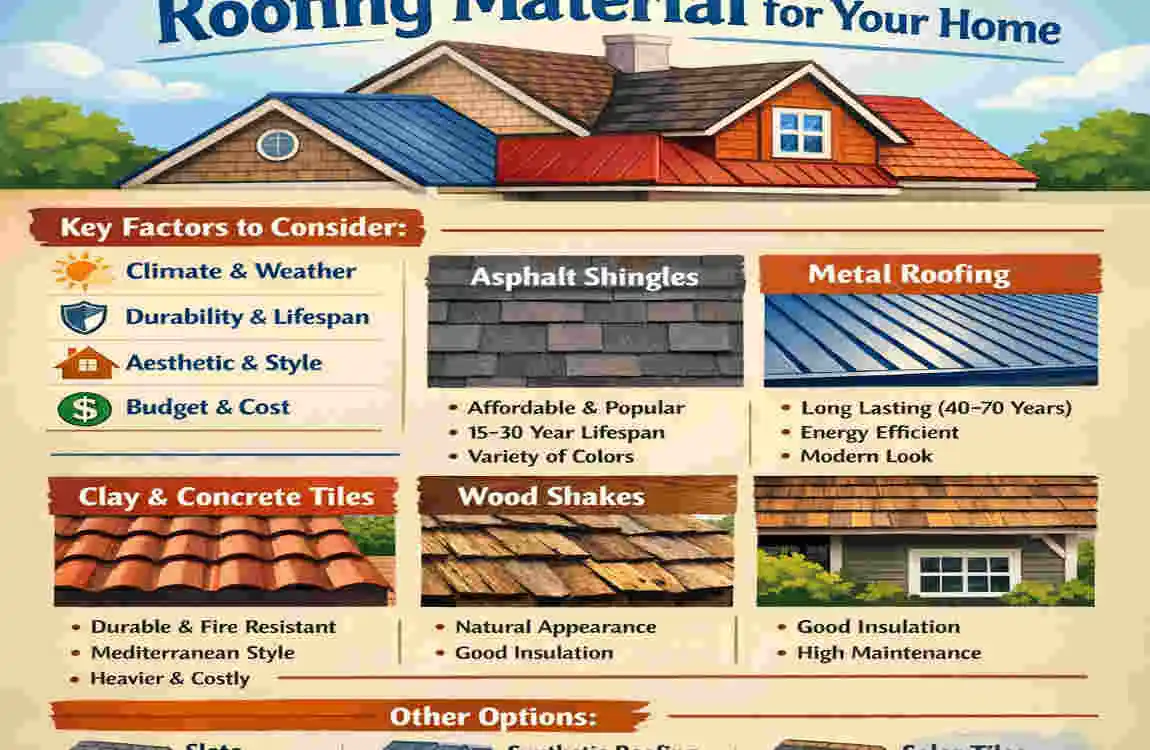
The roofing industry is evolving rapidly. Energy-efficient roofing materials trending in the USA are transforming roofs from passive weather shields into active energy-saving systems.
Cool Roof Coatings and Reflective Finishes
You do not necessarily have to buy a brand-new, highly expensive material to get energy benefits. One of the biggest trends right now is the application of “cool roof” coatings. Manufacturers are creating advanced, highly reflective paints and granules that can be applied to metal, tile, and even asphalt. These finishes bounce UV rays and infrared light away from the house, drastically reducing solar heat absorption. It is like putting sunscreen and a reflective visor on your house.
Solar‑Ready and Integrated Solar Roofs
Solar power is no longer a fringe idea; it is becoming mainstream. The trend is moving away from big, bulky solar panels bolted awkwardly onto a roof.
Instead, modern metal roofs are becoming “solar-ready,” allowing thin-film solar arrays to adhere directly to the panels seamlessly. Even more impressive are solar shingles. Companies are now manufacturing actual roofing shingles that double as photovoltaic panels. You get a beautiful, normal-looking roof that actively generates electricity for your home.
Green Roofing and Insulation Upgrades
Finally, the trend is looking at the “whole roof system” rather than just the top layer.
A roof is only as good as what lies beneath it. We are seeing a massive push toward high-tech synthetic underlayments that block water far better than old tar paper. Furthermore, homeowners are upgrading their attic insulation and adding continuous ridge ventilation. When your attic breathes properly, your roof stays cooler in the summer and avoids damaging ice dams in the winter. These behind-the-scenes upgrades boost the efficiency of any material you choose.
Finding the Right Roofing Material for Your city in the USA
While we have covered the national perspective, roofing is ultimately a very local game. The best choice in one state might be a terrible mistake in another.
To truly figure out the best option for your home, you need to tailor your choice to your local area. For instance, if you live in Miami, your main priority is securing a roof that will not blow away in a Category 5 hurricane. If you live in Denver, you need a roof that will not crack under the weight of three feet of snow.
This is why working with a deeply experienced, local roofing contractor is non-negotiable. A local pro understands the regional preferences and the specific building codes of your city. They know exactly how the local weather behaves and can point you toward the materials that have proven themselves in your specific neighborhood.
If you are currently researching this process, we recommend looking out for local guides. Keep an eye out for upcoming articles where we break things down even further, like “Best roofing materials for Houston” or “Top roofing materials in Phoenix.”
In the meantime, never guess when it comes to your home’s protection. Contact us for a free roofing consultation in your city, and let a local expert guide you through the best choices for your specific address.
FAQs About the Top 5 Roofing Materials in the USA
When homeowners start this journey, they usually have the same core questions. Here are the clear, straightforward answers to the most common inquiries we receive.
“What are the top 5 roofing materials in USA?”
The top five choices dominating the U.S. market are asphalt shingles, metal roofing, tile (both clay and concrete), slate roofing, and natural wood shakes or shingles. Each offers a different blend of cost, beauty, and durability.
“Which roofing material lasts the longest in the USA?”
Without a doubt, slate and tile are the longevity champions. A high-quality clay tile roof can last over 100 years, and a natural slate roof can endure for 150 to 200 years. They are the closest things to a “forever roof” you can buy.
“What is the most energy‑efficient roofing material in the USA?”
Metal roofs treated with reflective “cool” coatings and clay tiles painted in lighter, cool colors are the top picks for energy efficiency. They excel at reflecting the sun’s heat and preventing it from entering your attic space.
“Which roofing material is best for hot climates?”
If you live in a baking-hot climate, cool-color metal and clay tile are ideal. Metal reflects the heat instantly, while the thermal mass of tile absorbs the heat slowly, keeping the interior of the home much cooler during the peak heat of the day.
“Are metal roofs worth it in the USA?”
Absolutely. While the upfront installation cost is noticeably higher than asphalt, a metal roof pays for itself over time. You get unmatched long life, excellent storm resistance, and significant energy savings on your monthly cooling bills. For many homeowners, it is a one-and-done lifetime investment.