Did you know that over 50% of homes in the United States rely heavily on natural gas? It is a staggering statistic, yet for many homeowners, this powerful energy source remains something of a mystery working behind the walls. You might pay your utility bill every single month. Still, when you stop and look around your living space, you might find yourself asking a very common question: what uses gas in a house?
We often associate natural gas directly with the heavy winter months. You hear the furnace kick on, you feel the warm air blowing through your vents, and you know your gas meter is spinning. But natural gas does so much more than keep the winter chills at bay. It is a quiet, highly efficient workhorse that powers some of the most surprising, hidden daily tasks in our modern lives. From your morning shower to the freshly dried clothes on your back, natural gas is likely the unseen hero of your daily routine.
Why Natural Gas Powers Our Homes
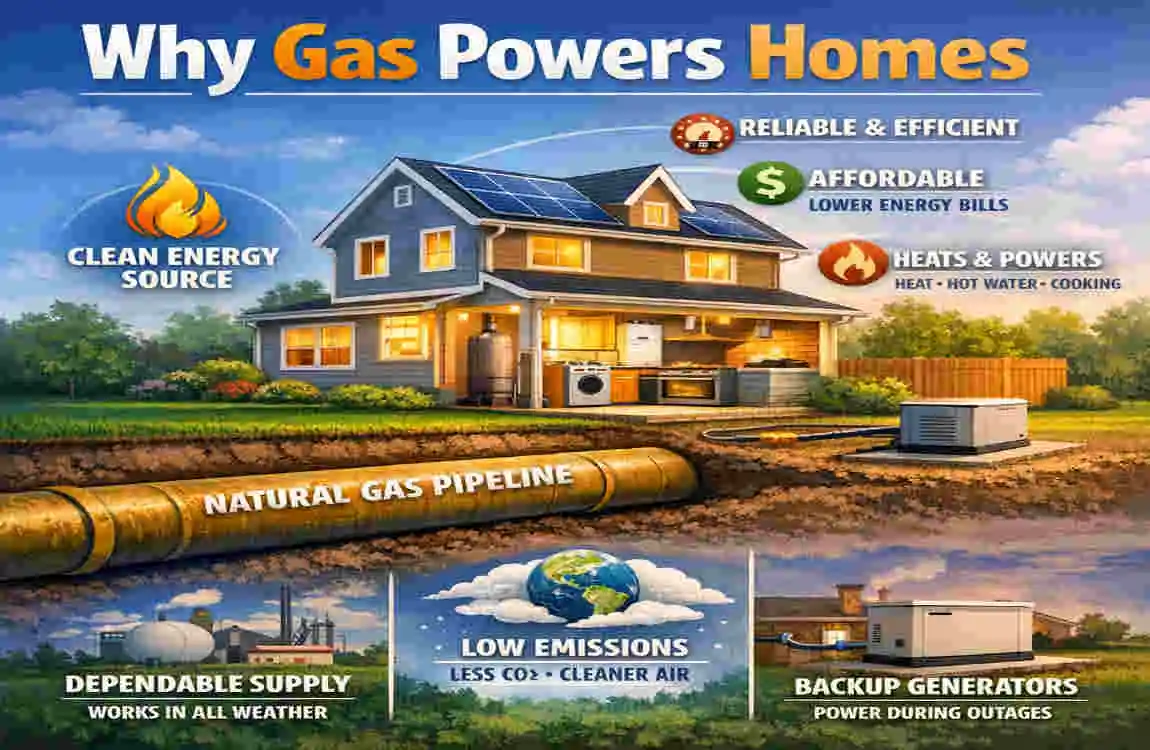
Before we look at the specific gas appliances home builders love to install, we need to understand why this fuel is so incredibly popular. Natural gas is a naturally occurring hydrocarbon gas mixture consisting primarily of methane. It is formed deep beneath the earth’s surface, extracted, refined, and piped directly into our neighborhoods through an intricate, massive underground network.
One of the biggest reasons homeowners and city planners prefer natural gas is that it is generally considered a cleaner-burning fossil fuel than coal or oil. When you burn it, it produces significantly fewer carbon emissions, making it a stepping stone toward greener energy solutions. Furthermore, having a utility piped directly into your home means you never have to worry about scheduling fuel deliveries or running out of oil in the middle of a blizzard.
But the real appeal for most of us comes down to two things: instant heat and long-term cost savings.
If you have ever stood shivering in front of an electric heater waiting for the coils to glow red, you understand the frustration of slow heating. Natural gas provides immediate, robust heat. Whether it is a roaring flame on your stove or a blast of hot air from your furnace, gas does not make you wait. Furthermore, in many regions across the country, natural gas is significantly cheaper to operate over the long haul than electricity.
Of course, there are some drawbacks to keep in mind. Natural gas lines require professional installation, and there is always the remote risk of dangerous gas leaks if systems are poorly maintained. Additionally, costs can fluctuate with global markets and seasonal demand, with average winter bills easily spiking to $100 or $200 a month during peak freezing weather.
To give you a clearer picture of why so many people choose gas over electricity for their major appliances, take a look at this comparative breakdown of estimated monthly costs for an average family home:
Gas vs. Electric Costs (Monthly Estimate for Average Home)
Appliance Gas Cost Electric Cost Savings with Gas
Water Heater $25 $50 50%
Furnace $80 $120 33%
Stove / Oven $10 $20 50%
As you can see, understanding which appliances use gas in a house isn’t just trivia; it is about recognizing where your hard-earned money is going and how you can optimize your home for maximum savings.
The Top 10 Shocking Everyday Gas Uses
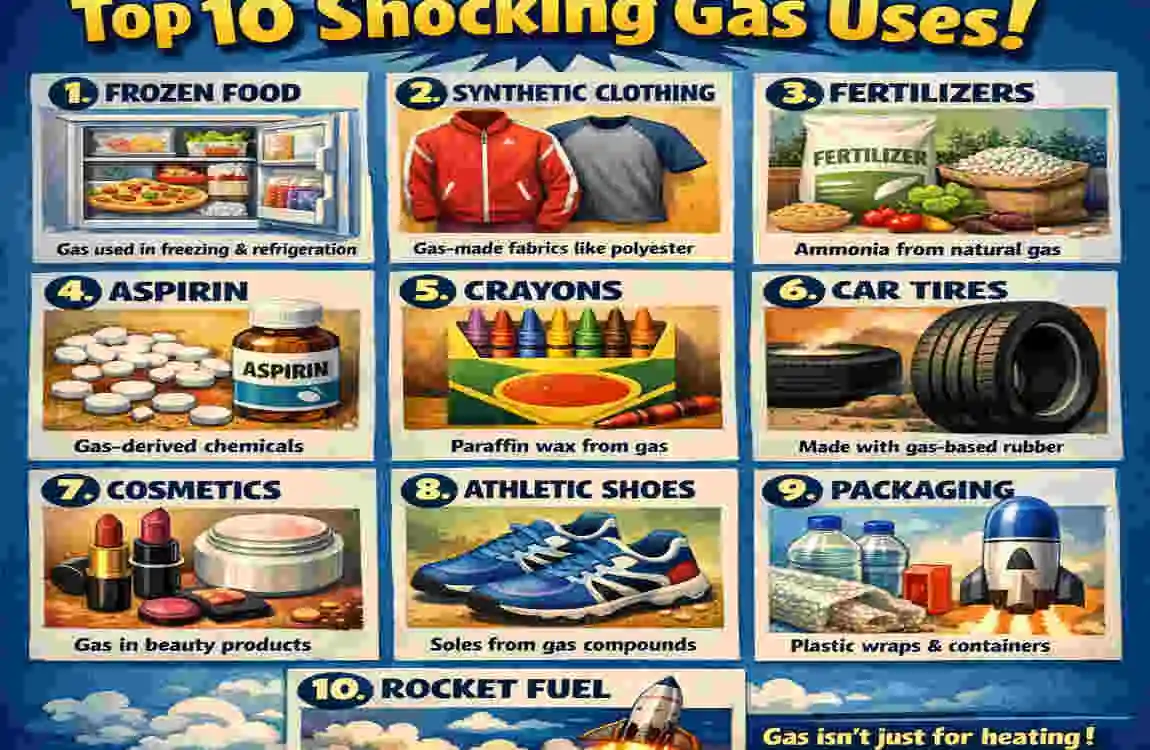
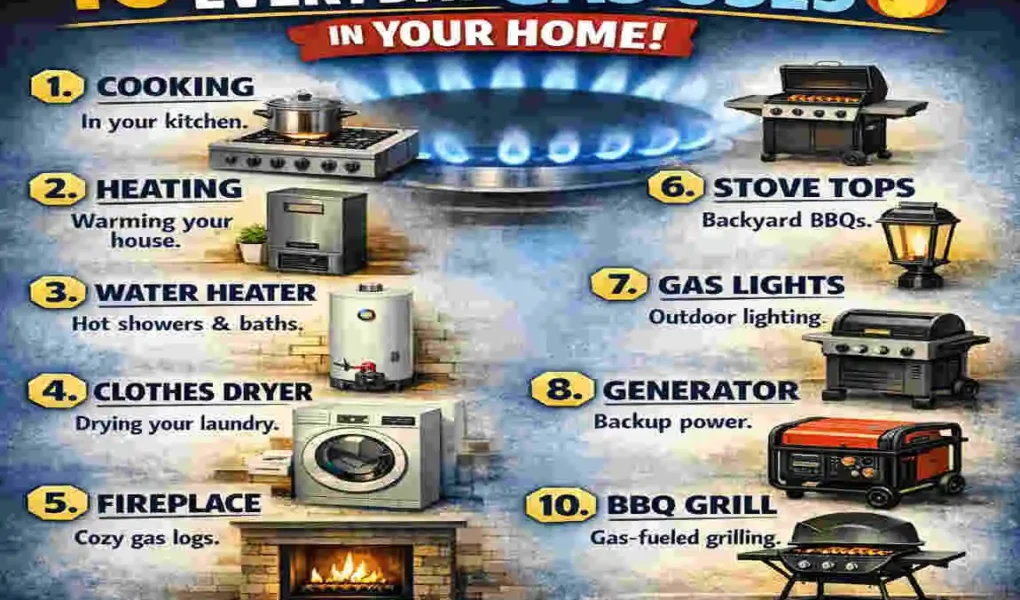
Now that we understand the basics of why this fuel is pumped into our neighborhoods, it is time to answer the ultimate question: what uses gas in a house? You might be aware of one or two of these, but prepare to be shocked by how heavily your daily comforts rely on this invisible fuel. Let’s break down the core list of the top ten surprising ways natural gas powers your daily life.
Cooking Up a Storm: Stoves, Ovens, and Ranges
If you ask any professional chef what their preferred cooking method is, they will almost always say gas. The conversation about what uses gas in a house absolutely starts right here in the kitchen. The bright blue flames of a gas stove offer incredibly precise, instant temperature control. You can go from a raging boil for pasta water to a delicate, barely-there simmer for a fragile cream sauce in a fraction of a second. Electric coils cannot match that kind of immediate response.
The Shocking Fact: Roughly 40% of homes utilize gas stoves in their kitchens. Why? Because gas burners can heat pots and pans almost twice as fast as electric burners!
The Pros of Gas Cooking:
- Immediate heat adjustment prevents boiling over and burning.
- Works during power outages, meaning you can still cook dinner in a storm.
- Compatible with all cookware, including rounded woks that require open flames.
Efficiency Tip: To get the most out of your kitchen gas appliances, clean your stove burners monthly. Food debris and grease can clog the tiny gas ports, resulting in a yellow, inefficient flame. Keeping them sparkling clean ensures a pure blue flame that burns hotter and can save you up to 10% on your cooking energy costs!
Endless Hot Water: Tankless and Storage Heaters
Picture this: It is a freezing morning, and you step into a gloriously hot shower. You stand there letting the steam thaw you out, entirely unconcerned about running out of hot water. You can thank natural gas for that luxurious experience! Gas water heaters are incredibly common and remarkably efficient. They recover heat in mere minutes, meaning a family of four can take back-to-back showers without the last person getting an icy surprise.
The Shocking Fact: Gas water heaters use roughly 30% to 50% less energy to heat the same amount of water compared to traditional electric models.
The Hidden Daily Uses: When you wonder what uses gas in a house, you might forget that it isn’t just your shower tapping into this hot water supply. Every time you run a load of whites on a hot cycle in your washing machine, or when your dishwasher runs its sanitizing high-heat cycle, they pull from that gas-heated reservoir.
Efficiency Tip: To maximize your savings, consider upgrading to a natural gas tankless water heater. Instead of keeping a 50-gallon tank of water hot 24/7, tankless models flash-heat the water instantly only when you turn the faucet on. It is a game-changer for your gas usage house profile!
Winter Warmth: Space Heating with Furnaces and Boilers
If we are playing a game of identifying the biggest energy culprit, we have to ask: what uses the most gas in a house? The undeniable heavyweight champion of natural gas consumption is your central heating system—specifically, furnaces and boilers. When the winter winds howl, your gas furnace kicks into overdrive to keep your family safe and comfortable.
The Shocking Fact: During the freezing winter months, your furnace can account for up to 60% of your total utility bill. It is an absolute powerhouse of fuel consumption.
How it Works: A gas furnace ignites a series of burners inside a combustion chamber. The heat from these burners is transferred to a heat exchanger, and your blower motor pushes air over that hot metal, distributing the freshly warmed air throughout your home’s ductwork. Boilers work similarly, but instead of blowing air, they heat water and pump steam or hot water through radiators or under-floor radiant tubing.
The Surprise: Even if you live in a notoriously mild climate—like the southern US or coastal regions—you will still see massive spikes in your gas bill during a sudden cold snap. Because homes in mild climates often lack heavy-duty insulation, the furnace has to work twice as hard to maintain a comfortable temperature when the thermometer drops unexpectedly.
Fluffier Laundry: Clothes Dryers
Laundry day is a chore, but it would be much harder without the speed and efficiency of a gas-powered clothes dryer. While electric dryers use standard heating coils to warm the air inside the tumbling drum, gas dryers use a dedicated gas burner to generate heat. This might seem like a small difference, but the impact on your clothes and your wallet is significant.
The Shocking Fact: Gas dryers dry your clothes noticeably faster than electric models and cost about half as much to operate per load! The combustion of natural gas actually produces a tiny bit of moisture, which prevents your clothes from getting “baked” and overly staticky, resulting in fluffier, softer laundry.
Eco-Tip for Homeowners: To keep your dryer running safely and efficiently, you must vent it properly to the outside. A clogged lint screen or a blocked exterior vent can force the dryer to run longer, wasting up to 15% of your energy per load and creating a severe fire hazard. Always clean the trap before every single load!
Cozy Vibes: Fireplaces and Fire Pits
There is nothing quite as cozy as curling up with a good book and a warm cup of tea in front of a flickering fire and but chopping wood, hauling it inside, fighting to get the kindling to catch, and sweeping up mountains of dirty ash? Not so cozy. Enter the natural gas fireplace.
The Shocking Fact: You can achieve incredible, realistic ambiance with the simple flip of a wall switch. Gas logs burn incredibly clean, producing zero ash and no floating embers and requiring virtually no daily maintenance.
Many modern homes are using natural gas for household use to enhance their aesthetic appeal. Beyond indoor fireplaces, homeowners are extending their gas lines into the backyard to power permanent outdoor fire pits. It provides a luxurious resort feel right in your own backyard, giving you instant heat for evening entertaining without the smoke blowing in your guests’ faces.
Backyard Feasts: Barbeque Grills (Connected Lines)
Speaking of the backyard, let’s talk about the great American pastime: grilling! Most of us are familiar with the heavy, clunky liquid propane tanks you have to lug to the grocery store for an exchange. There is nothing worse than hosting a summer barbecue, throwing expensive steaks on the grill, and having the propane tank run dry halfway through the cook.
The Shocking Fact: Urban and suburban homeowners are increasingly connecting their outdoor grills directly to their home’s main natural gas line.
This means you literally never run out of fuel. Your grill is powered by the same endless supply that runs your indoor stove. It is a massive convenience and an unexpected answer to the question of what uses gas in a house. If you love to barbecue year-round, tapping a quick-connect gas line to your patio is an investment you will never regret.
Laundry Boosters: Hybrid Washing Machines
We already talked about how washing machines pull hot water from your gas water heater. Still, modern technology has taken this a step further. We are now seeing the rise of highly advanced hybrid washing machines that blur the line between utility systems.
The Shocking Fact: Some cutting-edge, high-efficiency washing machines actually feature built-in booster systems that coordinate with your home’s gas water line.
Instead of relying solely on an internal electric element to boost water temperature for a “sanitize” or “allergen” cycle, these smart machines intelligently pull preheated gas water to achieve the necessary temperatures faster and more cost-effectively. While this is one of the lesser-known gas appliance features in the home, it showcases just how deeply integrated natural gas can be in maximizing home efficiency.
Keeping the Lights On: Home Standby Generators
When a massive storm rolls through and knocks out the neighborhood power grid, panic usually sets in. The food in the fridge starts to spoil, the internet goes down, and if it is winter, the house gets dangerously cold. But for homes equipped with natural gas standby generators, a power outage is nothing more than a momentary blip.
The Shocking Fact: Natural gas standby units are the unseen heroes of emergency preparedness. Because they are hooked directly into your underground utility line, they don’t require you to go out in a storm to fill a tank with gasoline.
Within seconds of sensing a grid failure, these massive units automatically kick on, pulling natural gas to generate electricity for the entire house. They keep your lights on, your fridge cold, and your family safe. When assessing which uses gas in a house, do not overlook this incredible safety net quietly sitting next to your side fence!
Backyard Oasis: Pool and Spa Heaters
If you are lucky enough to have a swimming pool or a backyard hot tub, you know that keeping thousands of gallons of water comfortably warm is no easy feat. Electric heat pumps for pools are notoriously slow, sometimes taking days to raise the temperature by just a few degrees, especially when the ambient air is cool.
The Shocking Fact: A natural gas pool heater can heat a body of water to three times faster than an electric heat pump!
If you decide on a Friday morning that you want to host a pool party that night, a gas heater has the sheer brute force to turn a chilly pool into a warm oasis in a matter of hours. Yes, it will cause a spike in your gas usage metrics, but for on-demand luxury, gas pool and spa heaters are unmatched in performance.
The Ultimate Surprise: Air Conditioning (Gas Absorption Units)
We have talked extensively about heating, boiling, and warming. So, here is the ultimate curveball to wrap up our list: can natural gas be used to cool your home? The answer is a surprising yes!
The Shocking Fact: Gas-powered air conditioning exists! Known as Gas Absorption Chillers or heat-driven AC units, these systems use a heat source (a natural gas flame) to drive a cooling cycle.
They use a complex mixture of ammonia and water. When the gas flame heats the mixture, the ammonia evaporates and separates, traveling through coils where it absorbs heat from the home’s indoor air before condensing and repeating the cycle. While extremely rare in standard residential suburbs, these units are absolutely vital for large off-grid homes, remote cabins, or massive commercial buildings where electricity is scarce or prohibitively expensive. It is the most mind-bending answer you can give when someone asks you what uses gas in a house!
Essential Gas Safety Tips Every Homeowner Needs

With all of these amazing gas appliances, home comforts come with a profound responsibility. Natural gas is incredibly safe when properly managed, but because it is highly combustible, negligence can lead to severe consequences. You must treat your home’s gas infrastructure with respect.
Critical Warnings for Homeowners: The most pressing danger with natural gas is the risk of leaks, which can lead to fires, explosions, or carbon monoxide poisoning. Carbon monoxide (CO) is a byproduct of incomplete gas combustion. It is entirely odorless, colorless, and deadly. You must install high-quality carbon monoxide detectors on every single level of your home, particularly right outside of all sleeping areas.
Furthermore, while natural gas in its raw form is odorless, utility companies intentionally inject a harmless chemical called mercaptan into the supply. This chemical smells distinctly like rotten eggs or sulfur. Never ignore this smell. If you ever catch a whiff of rotten eggs in your home, do not turn on any light switches, evacuate immediately, and call your utility provider from outside.
To keep your home safe, follow this simple, non-negotiable checklist:
- Check pilot lights monthly: A healthy pilot light or gas flame should always be crisp and bright blue. If it is burning yellow or orange, it indicates incomplete combustion and requires immediate professional attention.
- Never ignore smells: That rotten egg scent is your best early warning system.
- Schedule annual inspections: Hiring a licensed HVAC professional to tune up your furnace and inspect your gas lines every fall can prevent 99% of dangerous leaks.
Genius Efficiency Hacks to Slash Your Gas Bills
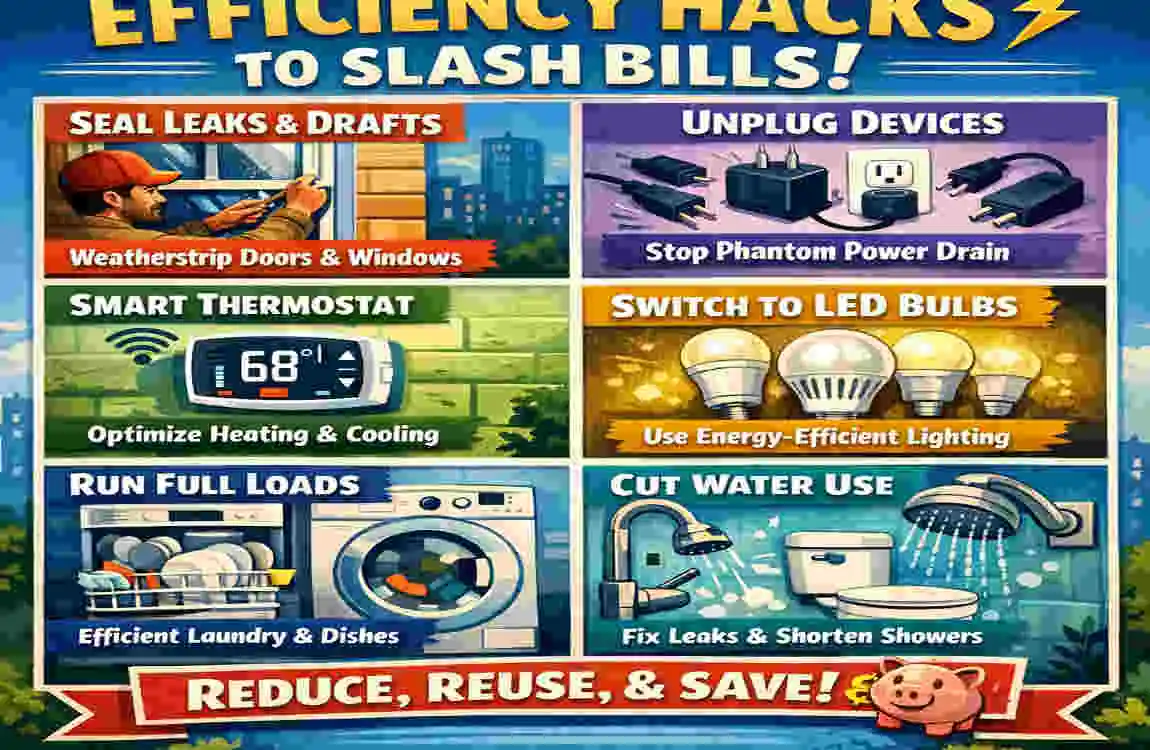
Now that we have thoroughly answered the question of what uses gas in a house, let’s talk about keeping your hard-earned money in your wallet. Even with the fluctuating costs of fossil fuels, you are entirely in control of how efficiently your house operates. You do not have to freeze in the winter to save a few bucks; you need to work smarter, not harder.
One of the absolute best investments you can make is a smart, programmable thermostat. By automatically lowering your home’s temperature by just 7 to 10 degrees while you are away at work or sleeping at night, you can slash your heating bill by 10% to 15% without sacrificing a single ounce of comfort.
Another brilliant hack is insulating your home’s exposed hot water pipes. Head down to your basement and wrap the pipes leading out of your gas water heater with cheap, foam pipe insulation. This prevents the heat from radiating away into the cold basement air before it ever reaches your shower head!
Here is a quick reference table of easy wins to help you lower your natural gas usage house costs:
Quick Wins for Gas Efficiency
Efficiency Hack Estimated Savings Ease of Implementation
Programmable Smart Thermostat Up to 20% Easy (DIY weekend project)
Annual HVAC Tune-Up 15% Pro (Hire a licensed technician)
Low-Flow Shower Fixtures 10% DIY (Screws on in minutes)
By implementing low-flow showerheads, you actively use less hot water, which means your gas water heater doesn’t have to work as hard. It is a brilliant two-for-one saving on both your water and gas bills!
Frequently Asked Questions (FAQ)
What uses the most gas in a house? Without a doubt, space heating is the primary consumer. Your central furnace or boiler system can account for roughly 50% to 60% of your total natural gas consumption, particularly during the harsh winter months when it runs continuously to maintain indoor temperatures.
Is gas cheaper than electricity for running a home? In most regions, yes! Natural gas is generally much more cost-effective for heavy-duty heating tasks. Operating a gas furnace, water heater, or clothes dryer can cost 30% to 50% less per month compared to running equivalent electric models, saving homeowners hundreds of dollars annually.
Can I run my gas stove during a power outage? Yes, mostly! While electronic igniters won’t click without electricity, most standard natural gas cooktops can still be lit manually with a long match or a barbecue lighter, allowing you to cook and boil water even when the neighborhood grid goes completely dark. (Always check your specific manufacturer’s safety manual first).
Why does my gas flame look orange instead of blue? A natural gas flame should always be crisp blue, indicating complete, efficient combustion. If your stove or furnace flame is yellow or orange, it means the burner is dirty or not receiving enough oxygen. This wastes energy and can produce dangerous carbon monoxide, so you should have it cleaned by a professional immediately.