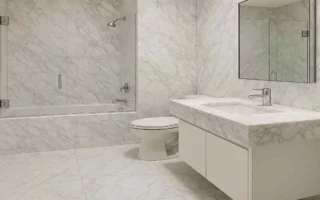
The main bedroom and bathroom hold a special place in any home. These spaces are not just rooms—they’re personal sanctuaries where you begin and end your day. Whether it’s a spacious main suite with luxurious amenities or a cozy retreat designed for relaxation, getting the size right is key to achieving both comfort and functionality.
But what is a good size for a main bedroom and a bathroom? This question arises often for homeowners and designers alike. The answer lies in striking the perfect balance between space, style, and practicality.
Understanding Main Bedroom and Bathroom Basics
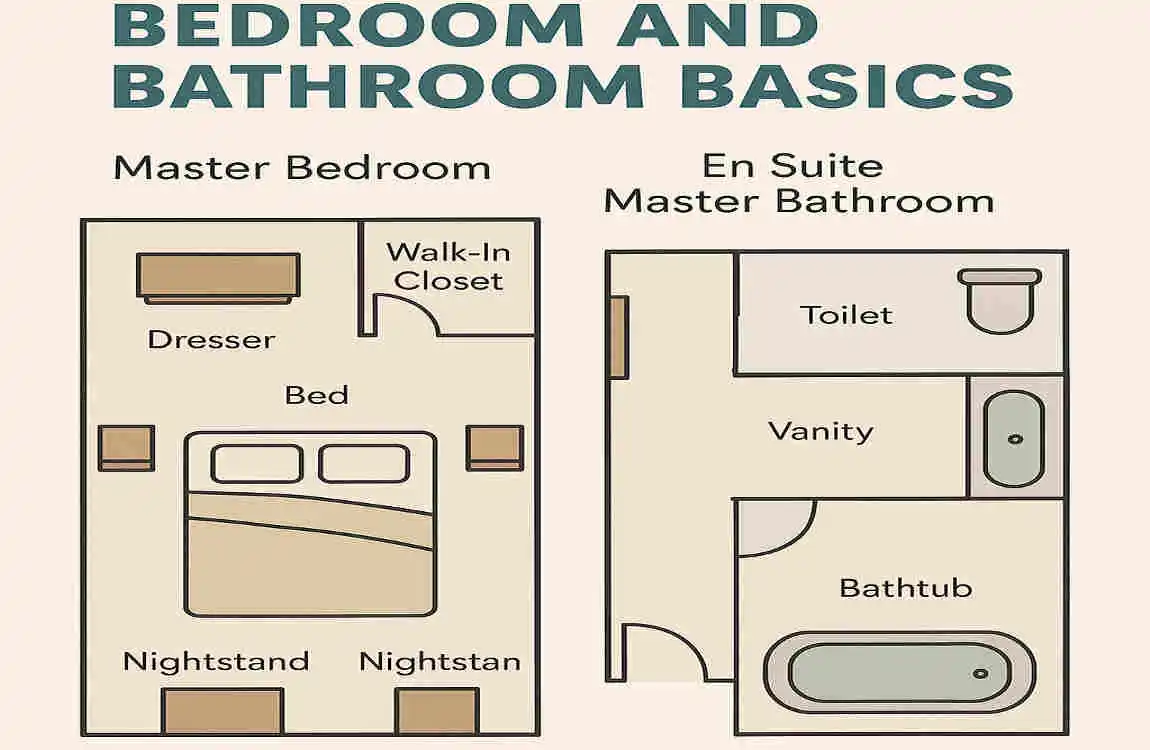
Before we discuss sizes, let’s clarify what defines a main bedroom and main bathroom, and why they’re essential in modern homes.
What Is a Main Bedroom?
A main bedroom is typically the largest bedroom in the house and serves as the primary sleeping quarters for the homeowners. It’s often paired with an attached bathroom and additional features such as a walk-in closet or a seating area. Beyond being a place to sleep, it’s a space for relaxation, privacy, and sometimes even personal hobbies, such as reading or yoga.
What Makes a Bathroom a “Main Bathroom”?
The main bathroom is directly connected to the main bedroom, offering convenience and exclusivity. Unlike standard bathrooms, a main bathroom is designed with comfort and luxury in mind. Common features include:
- Double vanities to accommodate two users simultaneously.
- Soaking tubs or spa-like bathtubs for relaxation.
- Walk-in showers are often separate from the bathtub.
- Ample storage with cabinets, drawers, and shelves.
- Private spaces, such as a separate toilet area.
Why Size Matters
The size of your main bedroom and bathroom can significantly affect your quality of life. A well-sized main suite provides enough room to move comfortably, store belongings, and incorporate design elements that enhance relaxation. Additionally, the dimensions of these spaces add value to your home, making them a crucial consideration for resale potential.
What Is a Good Size Main Bedroom and Bathroom? — Size Recommendations
When designing or remodeling, knowing the standard and ideal dimensions for your main bedroom and bathroom is essential.
Standard Dimensions for Master Bedrooms
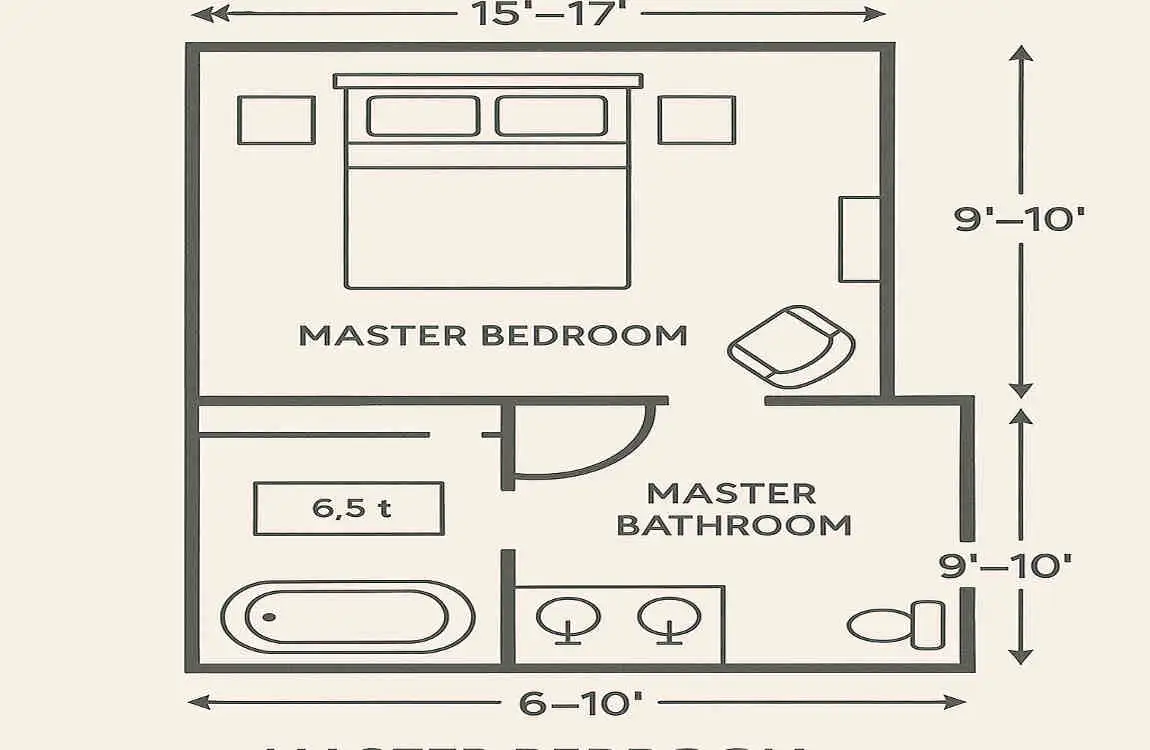
- Minimum size: A main bedroom should ideally be at least 12 x 14 feet (168 square feet). This size accommodates a queen bed, two nightstands, and a dresser while leaving enough space to move around.
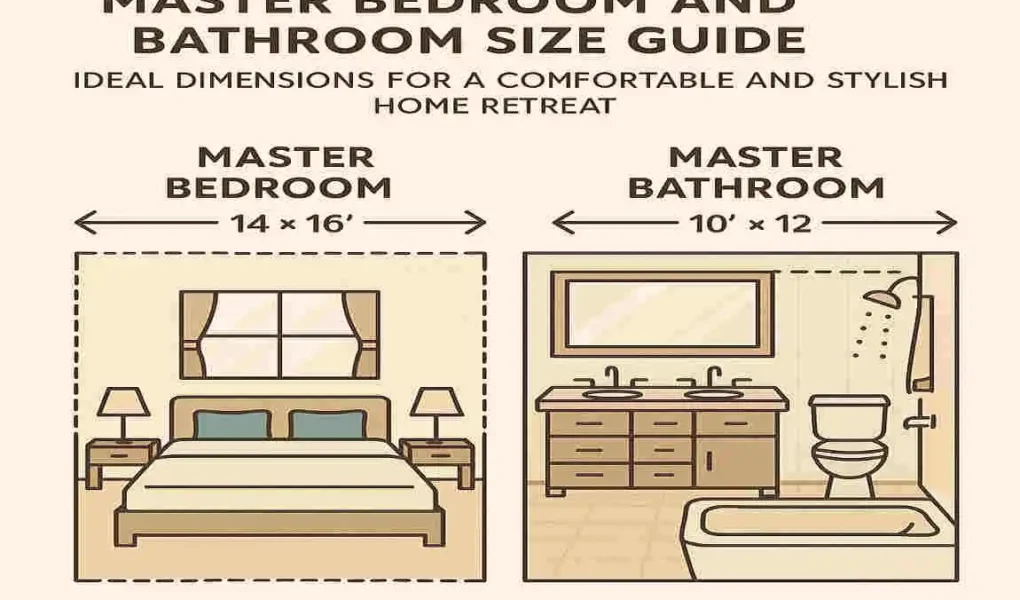
- Ideal size: For a more luxurious feel, aim for 14 x 16 feet or larger (224 square feet or more). This allows room for additional furniture, a seating area, or even a workspace.
Standard Dimensions for Master Bathrooms
- Minimum size: A small main bathroom starts at around 5 x 8 feet (40 square feet), enough to fit a single vanity, toilet, and shower.
- Ideal size: A spacious main bathroom is typically 10 x 12 feet (120 square feet) or larger. This size can accommodate a double vanity, a separate bathtub and shower, and additional storage.
Room Type Minimum Dimensions Ideal Dimensions
Master Bedroom 12 x 14 feet 14 x 16 feet
Master Bathroom 5 x 8 feet 10 x 12 feet
Factors Influencing the Ideal Size
Not every home or homeowner has the exact needs. The ideal size for a main bedroom and bathroom depends on various factors.
Household Size and Lifestyle
Are you designing for a single occupant, a couple, or a family? Couples often require extra space in both the bedroom and the bathroom to accommodate double vanities, larger closets, and comfortable circulation.
Floor plan and Home Size
The overall size of your home will determine how much space you can allocate to the main suite. In smaller homes, compact yet functional designs are crucial, while in larger homes, more extravagant layouts are possible.
Budget Considerations
Larger spaces require more resources for construction, furnishing, and maintenance. It’s essential to align your design aspirations with your budget to avoid overspending.
Regional and Cultural Preferences
Preferences for bedroom and bathroom sizes can vary based on cultural norms and regional trends. For instance, in the U.S., larger master suites are standard, while in Europe, compact spaces are more typical.
Future-Proofing for Resale Value
If you plan to sell your home in the future, consider sizes that appeal to a broad range of buyers. A well-designed main suite can significantly enhance your home’s market value.
Designing the Main Bedroom for Comfort and Functionality
Creating a main bedroom that’s both stylish and comfortable involves more than just choosing the correct dimensions. Here are some tips for designing a functional and beautiful space.
Layout Tips
- Place the bed against the longest wall to maximize space.
- Allow at least 3 feet of clearance around the bed for easy movement.
- Consider a seating area or reading nook if space allows.
Furniture Selection
- Opt for furniture that is proportional to the room’s size. For smaller rooms, choose sleek and compact designs.
- Include multifunctional furniture, such as ottomans with storage or foldable desks.
Walk-In Closets and Dressing Areas
If space permits, incorporate a walk-in closet or dressing area. These add convenience and luxury while keeping the bedroom clutter-free.
Lighting and Ventilation
- Use layered lighting — ambient, task, and accent — to create a cozy atmosphere.
- Ensure proper ventilation—through windows or air circulation systems — to maintain comfort.
Designing the Main Bathroom for Relaxation and Efficiency
A well-designed main bathroom combines luxury and practicality. Here’s how to make the most of your space.
Must-Have Features
- Double sinks: Perfect for couples sharing the bathroom.
- Separate shower and bathtub: Offers flexibility and caters to different preferences.
- Ample storage: Cabinets, shelves, and vanity drawers keep essentials organized.
Space Planning
- Allow 36 inches of clearance in front of sinks and showers for easy movement.
- If the bathroom includes a toilet area, ensure it’s at least 3 x 5 feet for comfort.
Accessibility Considerations
For a future-proof design, consider accessibility features like grab bars, a curbless shower, and wider doorways.
Impact of Size on Style and Décor Choices
The size of your main suite influences how you decorate and furnish it.
Styling Larger Spaces
Larger bedrooms and bathrooms allow for more elaborate designs. You can incorporate luxury materials like marble, oversized furniture, and statement lighting fixtures.
Making the Most of Small Spaces
For smaller rooms, focus on space-saving solutions. Use mirrors to create an illusion of space, light colors to brighten the room, and vertical storage to maximize functionality.
Practical Considerations When Planning Dimensions
When planning your main suite, keep these practical tips in mind:
- Work closely with architects and contractors to ensure the dimensions are feasible.
- Check your area’s building codes and regulations regarding minimum room sizes.
- Prioritize energy efficiency with proper insulation and ventilation.
Real-World Examples and Case Studies
Here are some examples of master bedrooms and bathrooms to inspire your design:
- Compact Main Suite (180 sq ft + 40 sq ft bathroom): Ideal for small homes, featuring a queen bed and a walk-in shower.
- Spacious Retreat (300 sq ft + 120 sq ft bathroom): Includes a king bed, sitting area, double vanity, and freestanding tub.
Tips for Measuring and Estimating Your Space
Accurate measurements are crucial for planning. Follow these tips:
- Use a measuring tape to determine the length and width of your room.
- Sketch a floor plan to visualize furniture placement.
- Utilize apps like RoomSketcher or Homestyler to create digital layouts.