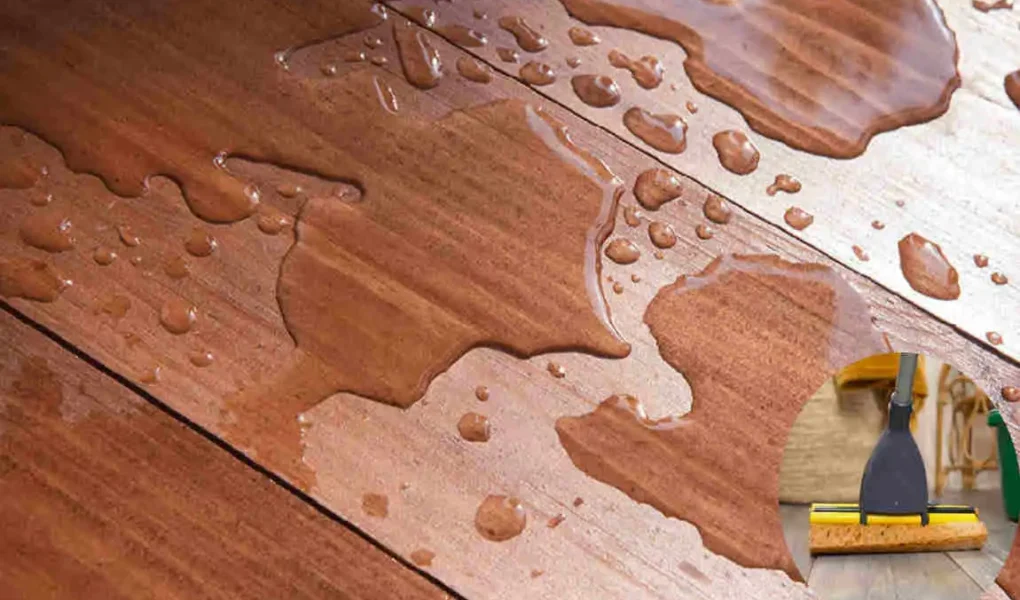
Discovering water trapped under your laminate flooring can feel like a nightmare. One moment, your floors look perfectly fine; the next, you notice bubbling, warping, or a strange smell. It’s stressful—but don’t panic. You can fix this if you act quickly and follow the right steps.
Laminate flooring is popular because it’s affordable and stylish. However, it has one big weakness: moisture. Unlike hardwood or tile, laminate flooring is not fully waterproof. When water seeps beneath the surface, it can cause serious damage in a short time.
If ignored, this trapped moisture can lead to swollen boards, mold growth, and even structural issues. The longer you wait, the worse the damage becomes. That’s why learning how to dry laminate flooring with water under it is so important.
Understanding Laminate Flooring and Water Damage
What is Laminate Flooring?
Laminate flooring consists of several layers pressed together. At its core, there’s a fiberboard layer, which gives the plank its strength. On top, there’s a printed image layer that mimics wood or stone. Finally, a protective coating sits above everything to resist scratches and wear.
While this design looks great, it comes with a downside. The fiberboard core is highly absorbent. This means it can soak up water like a sponge.
That’s why laminate flooring is water-resistant—not waterproof. It can handle small spills on the surface, but once water gets underneath, the problem becomes serious.
Why Water Under Laminate Flooring is Dangerous
When water seeps beneath laminate flooring, it doesn’t dry easily. It gets trapped between the planks and the subfloor.
This leads to several problems:
- The fiberboard core starts to swell and expand
- Boards begin to warp or buckle
- Moisture creates the perfect environment for mold and mildew
- The subfloor may weaken over time
The tricky part is that this damage often happens out of sight, making it harder to detect early.
Signs Water is Trapped Under Laminate
You don’t always see water directly, but your flooring will give you clues.
Watch out for these signs:
- Bubbling or warping on the surface
- A musty or damp smell in the room
- A soft or spongy feel when you walk
- Discoloration or dark spots
If you notice any of these, it’s time to act fast.
Common Causes of Water Under Laminate Flooring
Household Spills and Accidents
Every day accidents are one of the most common causes. A spilled drink, an overflowing washing machine, or even a pet accident can allow water to seep into the gaps between planks.
If not cleaned immediately, that moisture can travel underneath the flooring.
Plumbing Issues
Hidden leaks are especially dangerous. A small drip from a pipe or a loose connection can slowly release water over time.
Because it happens out of sight, you may not notice until the damage is already severe.
Flooding and Natural Causes
Heavy rain, basement flooding, or water entering from outside can quickly spread under laminate flooring.
In these situations, water exposure is often more intense, increasing the risk of permanent damage.
Improper Installation
Sometimes the problem starts during installation.
If there’s no moisture barrier or the edges aren’t sealed properly, water can easily seep underneath. Poor installation makes your flooring more vulnerable from the moment it’s installed.
Immediate Actions to Take (Emergency Response)
Stop the Water Source
Before anything else, you need to stop the water source.
Turn off the water supply, fix the leak, or block incoming water. There’s no point drying the floor if water is still entering.
Remove Surface Water Quickly
Next, remove as much water as possible from the surface.
Use:
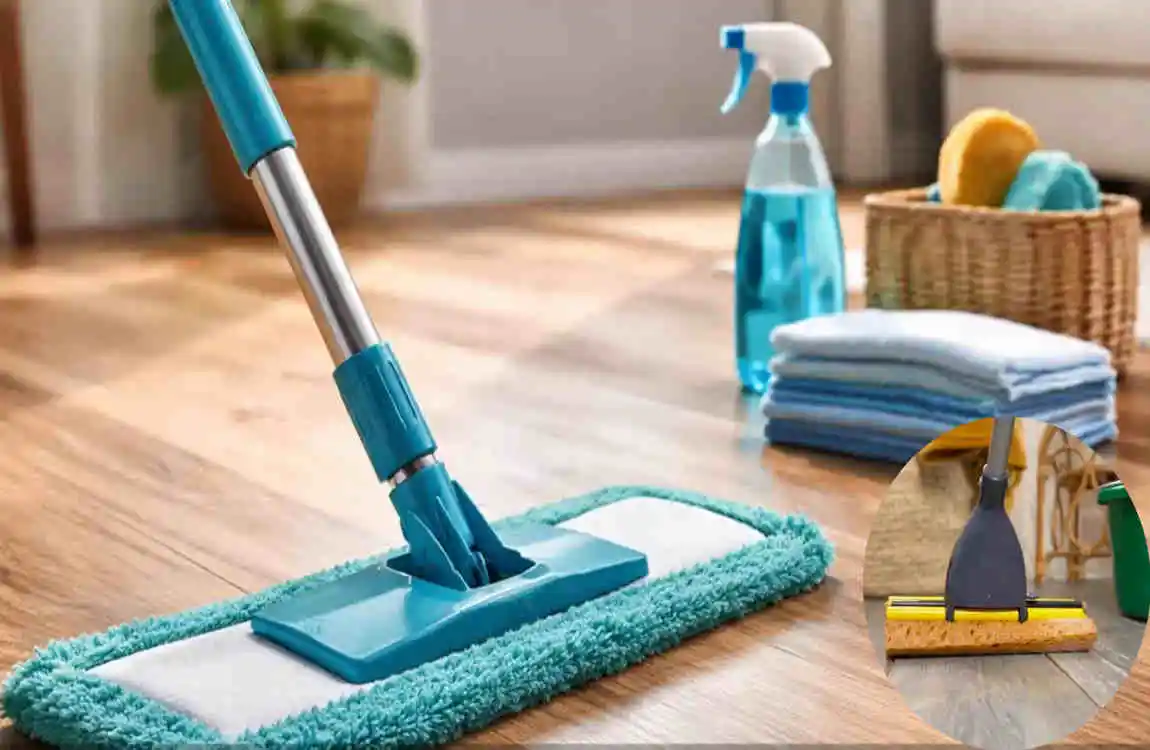
- Towels
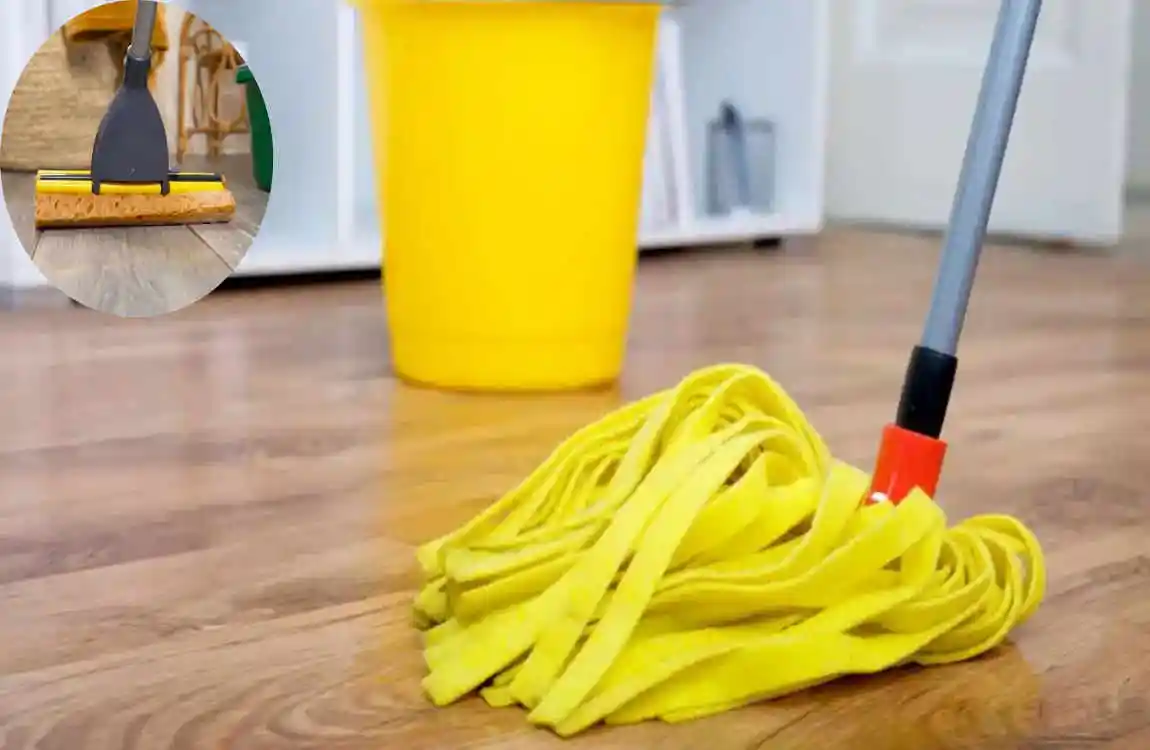
- Mops
- A wet/dry vacuum
The goal is to prevent more water from seeping deeper into the flooring.
Protect Surrounding Areas
Move furniture and rugs away from the affected area. This prevents further damage and gives you space to work.
Also, isolate the wet area to stop water from spreading to other parts of your home.
Why Speed is Critical
Time is everything in this situation.
- Within a few hours, moisture starts soaking into the core
- Within 24 hours, swelling and warping begin
- After 48 hours, mold growth becomes likely
The faster you act, the better your chances of saving your flooring.
How to Dry Laminate Flooring with Water Under It
This is the most important part of the process. Follow these steps carefully to get the best results.
Assess the Damage
Start by understanding how bad the situation is.
Ask yourself:
- Is the water only on the surface, or is it also underneath?
- How long has the water been there?
- Are the boards already warped?
If the damage is minor, you can fix it without removing planks. But if water is trapped underneath, deeper action is needed.
Remove Baseboards and Trim
Removing baseboards helps create airflow.
Carefully detach them using basic tools, such as a pry bar. This opens up space along the edges of the flooring, allowing moisture to escape.
It also prevents water from getting trapped against the walls.
Lift Affected Planks
If water has seeped underneath, you’ll need to remove some planks.
Take your time and do it carefully:
- Start from the edge of the room
- Gently lift the boards
- Avoid damaging the locking system
A helpful tip is to label each plank. This makes reinstallation much easier later.
Dry the Subfloor
Once the planks are removed, you’ll see the subfloor.
There are two main types:
- Concrete subfloors – These take longer to dry
- Wood subfloors – These are more sensitive to moisture
To dry the area, use:
- Fans to circulate air
- Dehumidifiers to remove moisture
- Air movers for faster drying
Keep the air flowing continuously. This step is crucial for preventing long-term damage.
Use Professional Drying Equipment
For better results, consider using advanced tools.
These include:
- Industrial fans for powerful airflow
- Moisture meters to check dryness levels
- Dehumidifiers to speed up drying
These tools can make a huge difference, especially in larger or more severe cases.
Treat for Mold Prevention
Even after drying, mold can still develop.
Apply anti-microbial sprays to the subfloor and affected areas. You can also use natural solutions like vinegar, but make sure they’re safe for your flooring materials.
This step helps protect your home and your health.
Allow Adequate Drying Time
Drying takes patience.
In most cases, it can take 24 to 72 hours, but it may take longer, depending on the severity.
To check if the area is dry:
- Touch the surface for dampness
- Use a moisture meter if available
Don’t rush this step. Reinstalling flooring too soon can trap moisture again.
Reinstall or Replace Flooring
Once everything is completely dry, you can reinstall the planks.
However, not all boards can be saved.
Here’s a quick guide:
Condition of Plank: What to Do
Slightly damp but intact . Dry and reuse
Warped or swollen Replace
Moldy or discolored . Discard immediately
Replacing damaged planks ensures your floor looks good and stays durable.
Tools and Equipment Needed
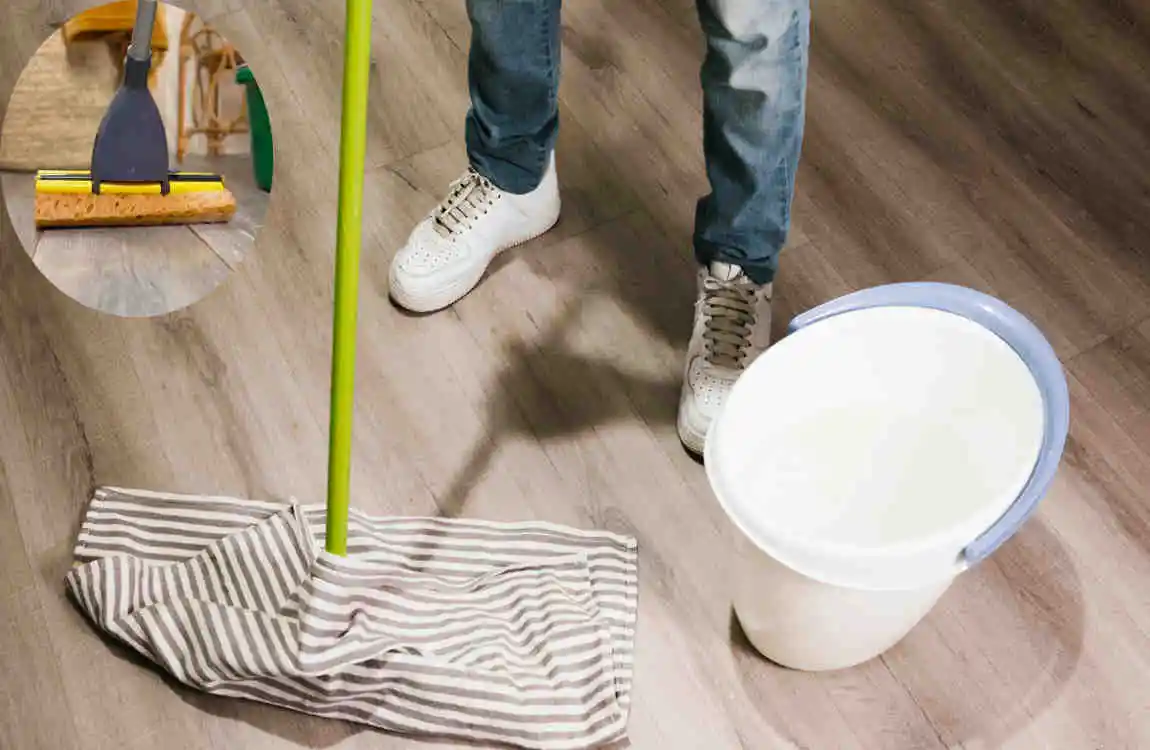
Basic Household Tools
You don’t always need expensive equipment to get started.
Simple tools can go a long way:
- Towels for soaking water
- Buckets for cleanup
- Fans for airflow
These are great for minor issues.
Advanced Equipment
For more serious situations, you’ll need better tools.
These include:
- Wet/dry vacuum
- Dehumidifier
- Moisture meter
They help speed up the drying process and ensure better results.
Professional vs DIY Tools
If you’re dealing with a large area, renting equipment can be a smart choice.
DIY tools are cheaper but slower. Professional tools cost more but work faster and more efficiently.
Think about your situation and choose what fits best.
When to Call a Professional
Severe Water Damage Situations
If your home has experienced flooding or long-term leaks, it’s best to call a professional.
They have the expertise and equipment to handle serious damage.
Mold Infestation Risks
Mold is not just a flooring issue—it’s a health concern.
If you see visible mold or smell strong odors, don’t take chances. Professionals can safely remove it.
Structural Damage Concerns
If the subfloor feels weak or unstable, you may be dealing with structural damage.
This is beyond a simple DIY fix and requires expert attention.
Common Mistakes to Avoid
Ignoring Hidden Moisture
Just because the surface looks dry doesn’t mean everything is fine.
Hidden moisture can cause problems later.
Delaying Action
Waiting too long makes everything worse.
Damage spreads quickly, and repairs become more expensive.
Using Excess Water to Clean
Adding more water during cleaning can push moisture deeper into the floor.
Always use minimal moisture.
Not Removing Damaged Planks
Keeping damaged boards in place can lead to mold and further damage.
Don’t hesitate to remove them when needed.
Preventing Future Water Damage
Proper Installation Practices
Good installation makes a big difference.
Always use a moisture barrier and proper underlayment to protect your flooring.
Regular Maintenance Tips
Take small steps regularly:
- Clean spills immediately
- Check for leaks
- Inspect appliances
These habits can prevent big problems later.
Waterproofing Strategies
You can reduce risk by:
- Sealing the edges of the flooring
- Using rugs in high-risk areas like kitchens
These simple steps add an extra layer of protection.
Smart Home Upgrades
Modern solutions can help you stay ahead.
Leak detectors and automatic shut-off systems can alert you before damage becomes serious.
Cost of Repair vs Replacement
DIY Costs
DIY fixes are usually cheaper.
You may spend money on:
- Equipment rental
- Replacement planks
Professional Restoration Costs
Professional services can be more expensive but offer better results.
Costs vary depending on the severity of the damage and the area size.
When Replacement is More Cost-Effective
Replacing the flooring is the better option.
This is true when:
- There’s extensive swelling
- Mold is widespread
In these cases, repair may not be worth it.
FAQs
Can laminate flooring be saved after water damage?
Yes, but it depends on how quickly you act. Minor damage can often be fixed, but severely warped or moldy boards usually need replacement.
How long does it take to dry laminate flooring?
It typically takes 24 to 72 hours, but more extensive or deeper damage may require longer.
Will mold grow under laminate flooring?
Yes. Moisture trapped underneath creates the perfect environment for mold growth, especially if left untreated.
Can I use a hairdryer or heater to dry it?
You can, but they are not very effective for large areas. Fans and dehumidifiers work much better.
Is it safe to walk on wet laminate flooring?
It’s not recommended. Wet flooring can be slippery and may worsen the damage.