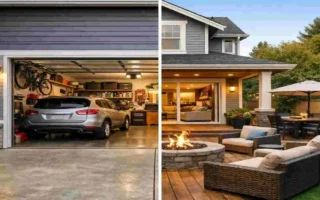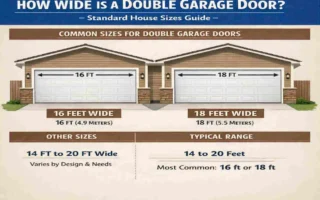
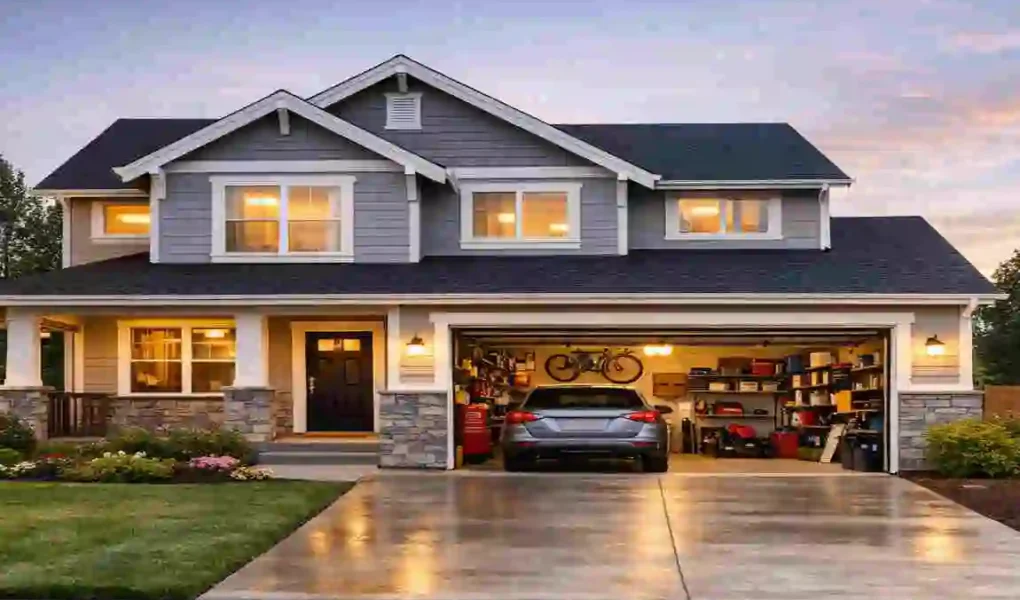
Imagine this common scenario: You have spent weeks scrolling through real estate listings, and you finally spot the perfect home. The listing boldly claims the house boasts a sprawling 2,500 square feet of living space. It sounds like the perfect size for your growing family. You rush to the open house, walking through the front door with high hopes. But as you wander from the kitchen to the living room, and then through the bedrooms, a sudden feeling of confusion washes over you.
The house feels incredibly cramped. It feels more like 1,900 square feet. Where on earth did the rest of the space go?
Then, you open a side door and step out onto the cold concrete of a massive two-car garage. Suddenly, it hits you. The seller has bundled the garage space into the listing’s total living area. This frustrating experience leaves you asking one of the most common questions in real estate: Are garages included in house square footage?
If you are a home buyer or seller in the fast-paced 2026 real estate market, understanding the exact rules of house square footage calculation is more important than ever. Home values are rising, and every square foot is worth thousands of dollars. Misunderstanding what counts and what does not can completely derail your home-buying budget, alter property appraisals, and even artificially inflate your property taxes.
What Counts as House Square Footage?
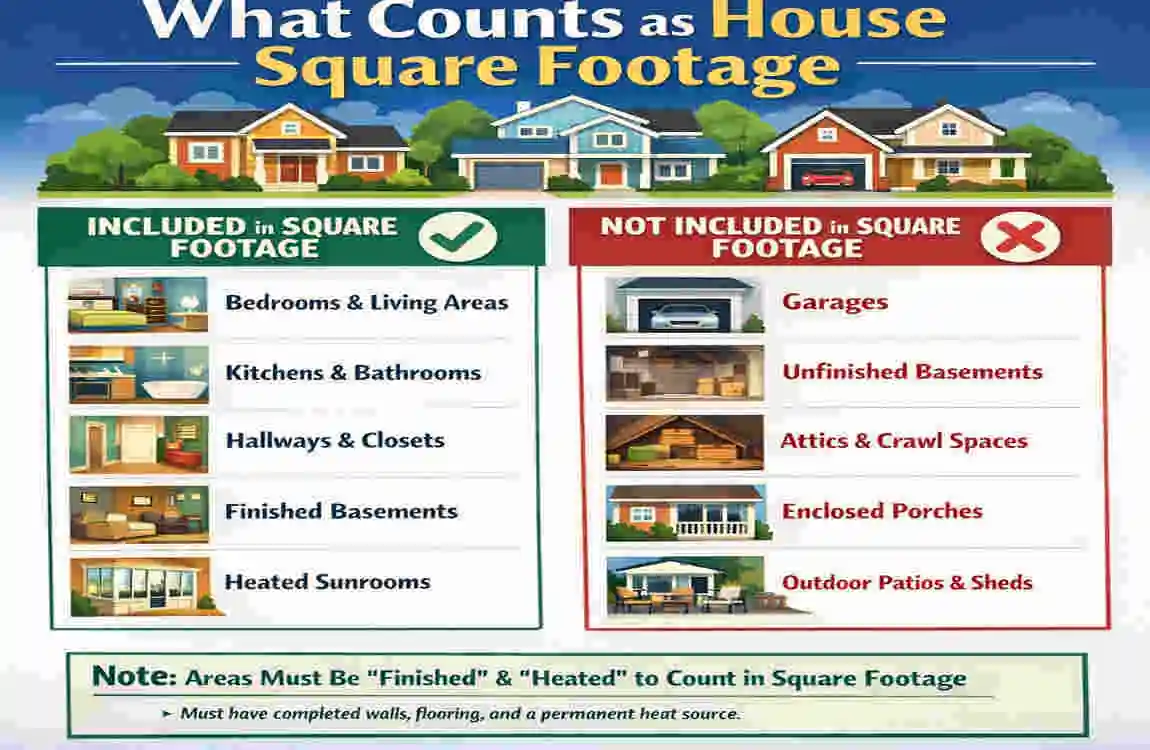
Before we can fully understand why garages are almost always excluded, we need to clarify what actually counts. Defining the parameters of your home is not just about taking a tape measure to the outside walls. It requires a strict understanding of what makes a space legally “livable.”
When people ask, ” Are garages included in house square footage, they are usually confusing two very different real estate terms: livable square footage and gross square footage. Let’s look at the core definitions to clear up the confusion.
ANSI Standards Basics
In the United States, real estate professionals do not just guess how big a house is. They follow a strict set of official guidelines. The most recognized standard comes from the American National Standards Institute (ANSI).
The ANSI standards provide the ultimate rulebook for real estate appraisal and property measurement. According to ANSI, a space must meet specific criteria to be included in the official Gross Living Area (GLA).
First, the space must be completely above grade. This means it must be entirely situated above the ground level. Second, the space must be fully finished. It needs proper floors, finished walls, and a completed ceiling. Finally—and this is the biggest hurdle for garages—the space must be continuously heated and cooled by the home’s primary HVAC system.
If a room does not check all of these boxes, the ANSI guidelines explicitly state that it cannot be included in the official living area.
Livable vs. Gross Square Footage
To understand whether garages are included in house square footage, you must recognize the stark difference between Livable Square Footage and Gross Square Footage.
Livable Square Footage (often called Gross Living Area or GLA) only includes spaces where you can comfortably live, sleep, eat, and relax year-round. This is the number that truly determines a home’s value.
Gross Square Footage, on the other hand, represents the building’s total footprint. This includes every single covered area under the roof, regardless of whether you can comfortably live in it.
Take a look at the table below to see a quick comparison of these two crucial measurement types:
Square Footage Type: Does it Include the Garage? Common Examples of Included Spaces
Livable Area (GLA) No (unless fully conditioned) Bedrooms, living rooms, kitchens, dining areas, bathrooms.
Gross Area (Total) Sometimes , the entire structural footprint, including unfinished garages and porches.
Key Exclusions from the Official Calculation
When you ask an appraiser, ” Are garages included in house square footage, they will usually hand you a list of strict exclusions.
The biggest exclusions from the official GLA include basements, attics, and, of course, unfinished garages. Even if your basement is stunningly finished with a home theater and a wet bar, it will often not count toward the primary above-grade square footage because it is below ground level.
Similarly, an attic will not count unless it has proper ceiling height (usually at least 7 feet), a permanent staircase, and climate control.
This brings us right back to the main topic. Unfinished garages are explicitly excluded because they are designed to house vehicles, not people. They lack the insulation, temperature control, and finishes required to be deemed habitable.
Are Garages Included in House Square Footage? The Real Answer
Now that we understand the basic rules of measurement, let’s directly address the focus of our discussion. Let’s permanently answer the question: Are garages included in house square footage?
The Standard Rule: No Habitability, No Square Footage
In almost all standard real estate transactions, the definitive answer is no. Garages are strictly excluded from the Gross Living Area.
When you are buying a home, the listed square footage should reflect only the space where you can live. Because a standard garage is considered non-habitable space, adding it to the official listing size is generally considered misleading and, in some cases, against local real estate board regulations.
So, if you ever find yourself wondering, ” Are garages included in house square footage, remember the golden rule: if you cannot sleep there comfortably in the middle of winter without a coat, it probably does not count.
Why Doesn’t the Garage Count?
You might be thinking, “But my garage is huge! It’s under the same roof as my house! Why doesn’t it count?”
The reasoning is deeply rooted in real estate appraisal guidelines, specifically those set by major mortgage backers such as Fannie Mae. Appraisers are trained to look for very specific habitability markers.
First, let’s talk about insulation. Most standard garages do not have insulated walls or insulated garage doors. They act as a buffer zone between the harsh outdoors and your cozy home.
Second, there is the issue of climate control. A livable space must be serviced by the home’s main heating, ventilation, and air conditioning (HVAC) system. Neither a space heater nor a portable window AC unit qualifies.
Third, let’s look at the finishes. Garages typically feature sloped concrete floors designed to drain water from wet cars. They often have exposed studs or unfinished drywall ceilings. Without level, finished floors, and proper ceilings, the space fails the livability test.
Because of these missing elements, the answer to whether our garages are included in house square footage remains a firm no in the eyes of an appraiser.
Regional Variations and International Rules
While the rules are fairly rigid, real estate is a highly localized industry. The answer to whether our garages are included in the house’s square footage can vary depending on where you are in the world.
The United States: In the U.S., ANSI standards rule supreme. Most Multiple Listing Services (MLS) strictly forbid including unfinished garages in the primary living area. However, in warmer climates like Texas or California, you might occasionally see a fully finished, climate-controlled garage pushed into the livable category, provided it meets strict local permitting laws.
The UK and Europe: International standards, such as those governed by the Royal Institution of Chartered Surveyors (RICS) in the UK, also generally exclude garages from the primary internal living space. They focus heavily on the “usable” internal floor area.
Pakistan and the Lahore Real Estate Context: If you are looking at international properties, the rules can get very murky. For example, on popular property portals like Zameen in Pakistan, listings in cities like Lahore often operate on a different system. Properties are measured in Marlas or Kanals, which dictate the total land size. When discussing the “covered area” of the house, builders often include the garage (often called a car porch) in the total constructed square footage. This creates massive confusion for overseas buyers accustomed to strict North American rules.
Exceptions to the Rule
Are there any scenarios where the answer to whether garages are included in house square footage is actually yes? Yes, there are a few strict exceptions.
- Legally Converted Garages: If you pull the proper city permits, raise the floor, add HVAC, insulate the walls, and replace the garage door with a permanent wall, the space can officially become livable square footage.
- Accessory Dwelling Units (ADUs): If you convert a detached garage into a standalone apartment with its own kitchen, bathroom, and climate control, it counts as livable space (though it is often listed separately from the main house’s GLA).
Real Estate Case Study
Let’s look at a hypothetical scenario in the 2026 real estate market. Imagine a beautiful suburban home listed at 2,400 square feet for $600,000.
A buyer submits a competitive offer, assuming they will pay $250 per square foot. However, when the official appraiser arrives, they realize the seller included the 400-square-foot attached two-car garage in the listing.
The appraiser strictly applies the ANSI rules. Because the garage is unfinished and lacks heating, it is removed from the calculation. The official Gross Living Area drops to 2,000 square feet.
Suddenly, the home is only worth $500,000 based on comparable sales in the neighborhood. The buyer’s mortgage lender refuses to fund the original $600,000 offer because the home is under-appraised. The deal fell apart because the seller did not know the correct answer to the question: Are garages included in house square footage?
Common Myths About Garage Square Footage Busted
The real estate market is flooded with misinformation. When friends, family, and amateur investors start giving advice, the facts often get lost in translation.
To ensure you make the best financial decisions, we need to actively debunk the most pervasive myths surrounding house square footage calculation. Let’s tackle them one by one.
All Online Listings Include the Garage
The Myth: Many first-time buyers believe that the big square footage number they see on Zillow, Redfin, or Realtor.com represents the entire physical structure, including the garage space. They assume they are getting exactly what they see from the curb.
The Fact: MLS rules vary wildly by county and state, but generally, the primary number listed is strictly the livable area. Unfinished garages are rarely supposed to be in that top-line number. However, some agents use sneaky tactics, placing the livable area in one field and the “total building area” in another. You must always check the footnotes and property details. If you are ever in doubt, ask your realtor directly: Are garages included in house square footage on this specific listing?
A Garage Adds Full Value to Your Square Footage
The Myth: Sellers often assume that a 400-square-foot garage is worth the same as a 400-square-foot main bedroom. They multiply their total footprint by the average price per square foot in their zip code.
The Fact: Even though a garage is incredibly useful, it does not hold the same financial weight as a heated, finished living room. In standard appraisals, an unfinished garage only adds a fraction of the value of true living space. A high-quality garage might give you a 50% to 70% bump in resale value compared to the same amount of actual living space. It adds value to the home, yes, but not at a 1-to-1 ratio.
Basements and Garages Are Interchangeable in Listings
The Myth: Because both basements and garages are often used for storage or casual recreation, people assume they are treated the same way when calculating total home size.
The Fact: While it is true that both are generally excluded from the primary above-grade livable square footage, they are treated very differently by appraisers. A fully finished basement with egress windows adds massive value to a home, even if it is listed on a separate line item on the appraisal report. An unfinished garage remains a strictly utilitarian space. You cannot easily swap the definitions of the two to make a listing look better.
DIY Measurements Count the Garage Just Fine
The Myth: Homeowners often think they can walk around the exterior perimeter of their home with a tape measure, calculate the total area, and use that number to list their house for sale. Naturally, this method sweeps the garage right into the total.
The Fact: DIY measurements are a recipe for disaster. If you measure the outside walls and include the garage, you are artificially inflating your home’s size. When the bank sends a licensed appraiser out to verify the home’s value, they will immediately override your DIY numbers. They will strip away the garage, the patios, and the unfinished basement. Relying on DIY measurements is exactly why the question of whether garages are included in house square footage is so frequently searched online.
How to Measure House Square Footage Correctly
If you want to completely avoid confusion about whether garages are included in a home’s square footage, you need to know how to accurately measure a home.
Taking control of the measurement process empowers you, whether you are a buyer or a seller. You will never have to guess if a listing is accurate because you will know exactly how the math works.
Your Step-by-Step Measurement Guide
Measuring a house correctly takes patience, but the process is straightforward once you know the rules. Follow these steps to get an accurate calculation of your livable square footage.
Measure the Exterior Walls for the Total Footprint. Start by drawing a rough sketch of your home’s exterior footprint. Grab a long measuring tape or a laser measuring tool and walk around the outside of your house. Measure the length and width of every exterior wall. Multiply the length by the width of each rectangular section to find the total gross square footage. Remember, this number includes everything under the roof.
Isolate only the interior livable roomsonly. Now, you need to subtract the non-livable spaces from your gross total. This is where you apply the rule we learned earlier. Because the answer to whether our garages are included in house square footage is no, you must measure the interior dimensions of your garage and subtract that square footage from your total exterior footprint.
Utilize Modern Measurement Tools. You no longer have to rely on a flimsy tape measure. Invest in a digital laser measurer for highly accurate, instant distance readings. Additionally, smartphone apps like RoomScan and Magicplan use augmented reality to help you draw incredibly accurate floor plans as you walk around your house. These apps are smart enough to help you separate livable areas from non-livable areas.
Pro Tips for Accurate Measurements
Even with great tools, measuring a house can be tricky. Here are a few professional tips to keep you on track.
First, do not rely on Zillow Zestimates or old county tax records for your square footage. These public records are frequently outdated or based on builder estimates that were never verified.
Second, when in doubt, hire a professional. For anywhere between $300 and $500, you can hire a licensed real estate appraiser to come to your home and perform an official ANSI-compliant measurement. This small investment can save you thousands of dollars by preventing a mispriced listing.
Finally, use a checklist to keep yourself organized. Below is a handy table to help you remember what to include and what to exclude when doing your calculations.
Space in Your Home: Include in Livable GLA?Important Measurement Notes
Standard Garage No, excludes entirely, unless legally converted into an ADU.
Outdoor Patio / Deck No Excluded, even if covered by a roof. It is not an interior space.
Bonus Room over Garage: Yes. Only include if it is fully finished, heated, and has standard ceiling heights.
Unfinished Basement is not excluded from the above-grade GLA.
Finished Basement No (but adds value) Counted separately from the above-grade GLA on an appraisal.
By referencing this table, you will never have to wonder whether garages are included in house square footage while you are doing your math.
Garage Conversions: Turning a “No” into a “Yes”
We have established that the standard answer to whether our garages are included in house square footage is no. But what if you desperately need more living space? What if you want to force that answer to become a yes?
This is where the magic of a finished garage conversion comes into play. Transforming your dusty garage into a beautiful, climate-controlled living space is one of the most effective ways to increase your home’s official square footage drastically.
The Legal Steps: Permits and Rules
You cannot just throw down a rug, plug in a space heater, and call your garage a bedroom. To make the square footage count legally, you must play by your local city’s rules.
First, you must obtain the proper building permits. The city needs to ensure your plans are safe and structurally sound.
Second, if you plan to use the space as a bedroom, you must install an egress window. This is a fire safety requirement that ensures occupants can easily escape in an emergency.
Third, the space must be brought up to the same standard as the rest of the house. This means insulating the walls and ceiling, pouring a level floor, and tying the room into the home’s primary central heating and cooling system.
Only when the city signs off on these permits does the answer to whether our garages are included in the house’s square footage officially flip to yes.
The Cost Breakdown of a Garage Conversion
Converting a garage is not a cheap weekend DIY project. It requires serious capital.
On average, a proper garage conversion for a standard 400-square-foot two-car garage will cost between $20,000 and $50,000 in the 2026 market.
Where does that money go? You have to pay for framing out the old garage door, upgrading the electrical panel to handle new lights and outlets, extending the HVAC ductwork, installing drywall, laying down flooring, and painting. If you are adding a bathroom to create an independent suite, you can expect the costs to push toward the higher end of that range due to plumbing expenses.
The Incredible ROI of a Finished Garage
Despite the high upfront costs, the return on investment (ROI) for a legally converted garage can be massive.
By completing a legal conversion, you instantly boost your home’s official Gross Living Area by 20% to 30% (depending on the house’s original size). Because livable square footage is the primary driver of property value, this newly added space can increase your total home value by 10% or more.
Let’s look at a clear before-and-after breakdown to illustrate the impact.
FactorUnconverted Standard Garage Legally Converted Garage
Sq Ft Count Strictly Excluded Fully Included in GLA
Habitability Non-habitable Fully Livable / Bedroom capable
Home Value Add Minimal / Standard High ROI due to increased living space
When you look at the math, you can see why so many homeowners are motivated to change the rules regarding house square footage calculation.
The Impact on Home Value, Property Taxes, and Listings
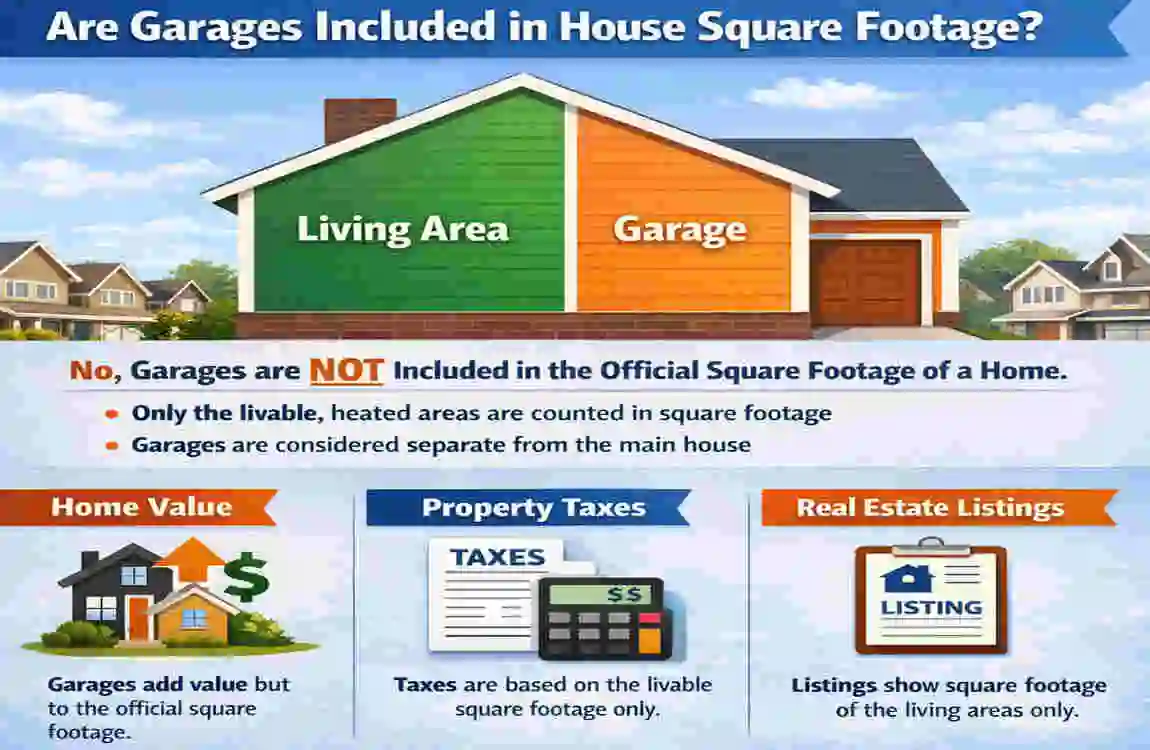
Understanding whether garages are included in house square footage is not just an academic exercise. This single metric has a profound, real-world impact on your wallet, your legal obligations, and your success in the real estate market.
Let’s break down exactly how this issue ripples through your homeownership journey.
How Appraisals Handle Garage Square Footage
When a buyer requires a mortgage, the bank will always send an appraiser. We have already established that the appraiser will exclude an unfinished garage from the Gross Living Area.
However, this does not mean the garage is worthless. Appraisers include a separate line item in their report to assign a value to the garage. They will look at the size of the garage, the condition of the concrete, the quality of the doors, and the available storage space.
A massive three-car garage will significantly increase the property’s perceived size and appeal, adding significant value. But—and this is the key takeaway—it will not inflate the official GLA number. Knowing this distinction prevents shocking appraisal gaps during a sale.
The Property Tax Surprise
Here is where the question of whether garages are included in house square footage gets incredibly tricky. While appraisers use strict ANSI standards to exclude garages from living areas, your local county tax assessor might operate on entirely different rules.
Local municipalities want to collect as much property tax as legally possible. In some jurisdictions, the tax assessor will calculate your property taxes based on the gross building area, not the livable area. This means they are actively taxing you on your garage space.
If you are fighting a sudden property tax hike, it is crucial to review your county’s specific tax code. You need to verify exactly how they define taxable square footage in your specific neighborhood.
Selling Tips for Homeowners
If you are preparing to sell your home, honesty and clarity are your best strategies.
Do not try to trick buyers by bundling the garage into the primary square footage. Savvy buyers will notice, and it will destroy their trust in you as a seller. Instead, disclose your square footage accurately in accordance with local MLS rules.
Then, use your listing description to highlight the garage separately. Use exciting, engaging language! Talk about the built-in workbenches, the epoxy floors, or the massive overhead storage racks. Sell the garage as an incredible bonus feature, rather than trying to pass it off as a living room.
EV Charging Trend
Finally, we have to look at modern home market trends. In 2026, the real estate market is heavily focused on sustainability and electric vehicles.
Even though the answer to whether our garages are included in house square footage remains no, a garage outfitted with a dedicated Level 2 EV charging station is becoming a highly sought-after premium feature. Buyers are actively willing to pay a premium for a home that is already equipped for their electric cars.
So, while your garage might not give you extra livable square footage, upgrading it with modern tech can add massive functional value to your listing.
Frequently Asked Questions (FAQs)
Even with all of this detailed information, buyers and sellers always have a few lingering questions. Let’s tackle the most common queries surrounding the central question: Are garages included in house square footage?
Are garages included in house square footage on Zillow? No, generally they are not. Platforms like Zillow pull their data directly from local MLS listings or public county tax records. These sources are supposed to report only the finished, livable square footage (GLA). However, errors do occur. If a listing looks suspiciously large for the price, it is always wise to ask your agent to verify the data.
Does a finished garage count toward square footage? It only counts if it is legally finished. Slapping some drywall up and throwing down a rug is not enough. To change the answer to are garages included in house square footage from a no to a yes, the space must be fully insulated, seamlessly tied into the home’s main HVAC system, and permitted by the local building authority as a habitable living space.
How does a garage differ from a carport in square footage calculations? Both are strictly excluded from the livable Gross Living Area. However, on an appraisal report, a fully enclosed garage carries significantly more secondary value than an open-air carport because it provides superior security and protection from the weather.
What are the international rules (e.g., Lahore property listings) for garages? International rules vary drastically. For example, in Pakistan, local property listings on sites like Zameen often refer to the “covered area” of a house. This covered area often combines the carport or garage with the main house structure. This is completely different from the strict ANSI standards used in the United States.
How can I challenge an incorrect square footage listing? If you suspect a home is misrepresenting its size, do not rely on your own tape measure. Hire a licensed real estate appraiser to conduct an official measurement. If their report proves the listing is inflating the size by including the garage, you can use that official document to renegotiate the purchase price or back out of the deal entirely.