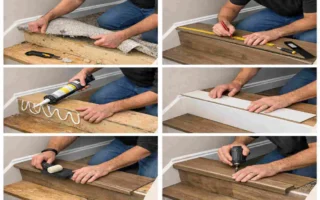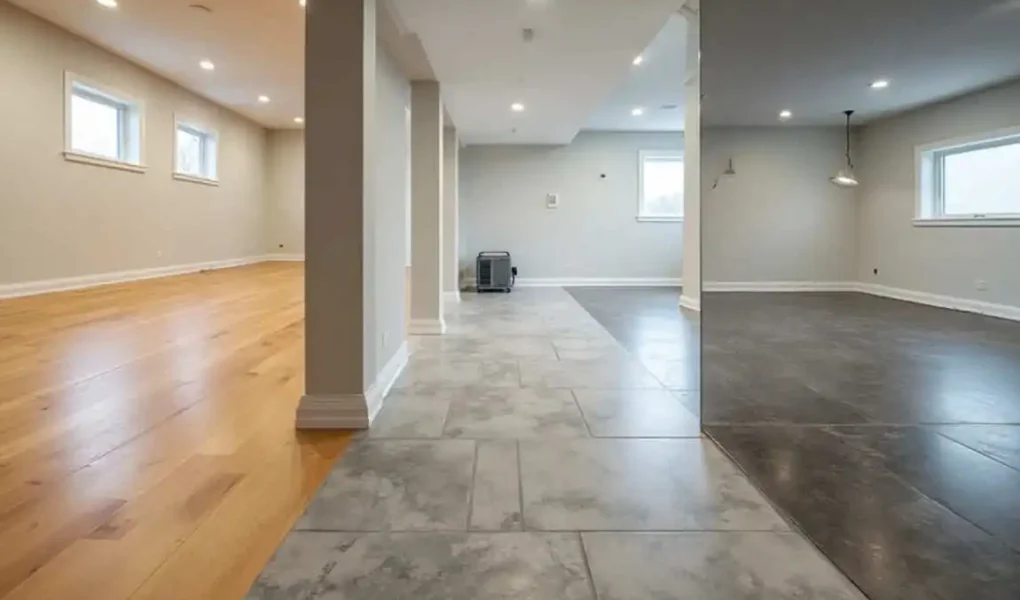
Turning your damp, often chilly basement into a cozy home gym, theater, or family hangout starts with a key decision: what kind of flooring is best for basements? Basements come with their own unique challenges—moisture, flooding risks, and sometimes mold, especially in places with humid climates like Lahore or other monsoon-prone regions.
If you’ve ever dealt with soggy carpets or warped wood floors in a basement, you know the frustration of choosing the wrong materials. The good news? Many waterproof and durable basement flooring options can withstand moisture, last for years, and look fantastic.
Why Basements Need Special Flooring: Key Challenges
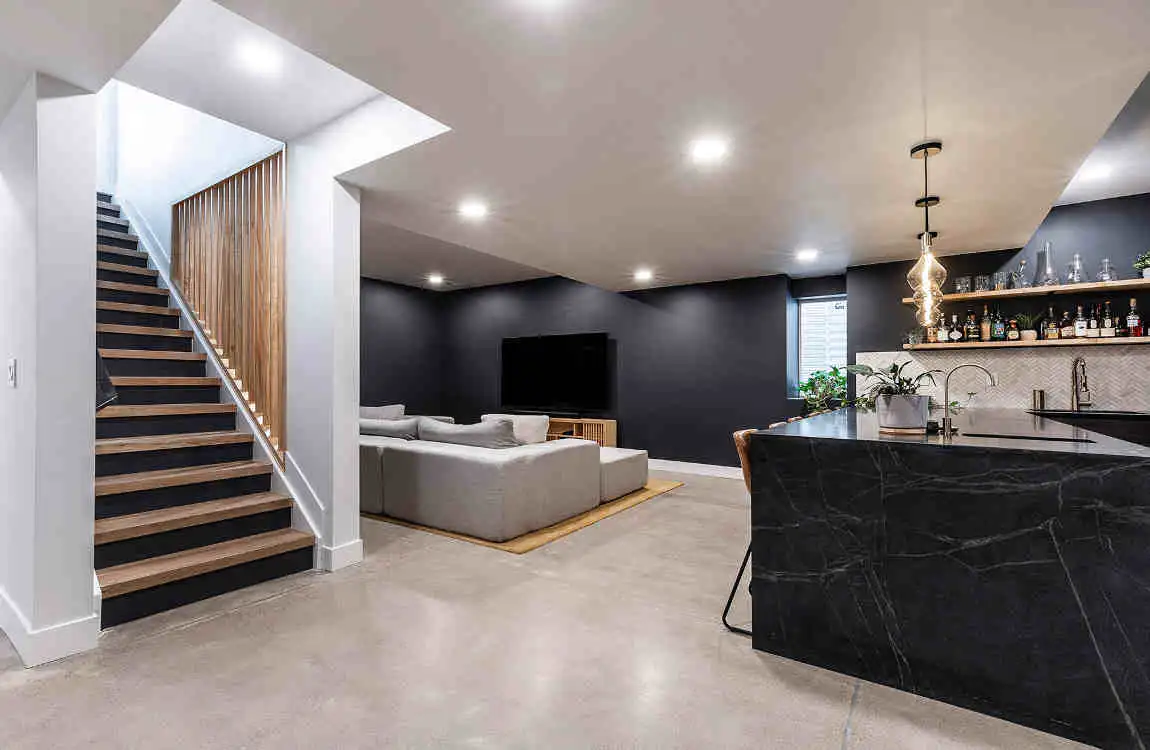
Basements are different from other rooms in your home. They face unique challenges that demand flooring designed to handle moisture and cold.
High Humidity and Flooding Risks
Basements often have high humidity levels because they sit below ground level. This makes them prone to condensation, mold growth, and even flooding during heavy rains or monsoon seasons, especially in regions like Punjab, Pakistan, where groundwater rises during monsoons.
Regular wood or carpet flooring can soak up moisture, leading to warping, mildew, and costly replacements.
Cold, Concrete Slabs
Most basements have bare concrete slabs as their base floor. Concrete is cold and hard, which can make your basement feel uninviting if the flooring doesn’t add insulation or warmth.
Poor Ventilation
Basements usually have limited airflow, which worsens moisture problems. Floors that trap moisture or don’t dry quickly can become breeding grounds for mold and mildew.
What Makes Basement Flooring the “Best”?
Here are the key factors to consider when choosing basement flooring:
- Waterproofing: The flooring should be 100% water-resistant or waterproof to prevent damage from spills and floods.
- Durability: It must withstand scratches, dents, and impacts, especially in high-use areas.
- Insulation: A good R-value (insulation rating) keeps your basement warm and comfortable.
- Slip Resistance: Safety matters, especially in wet conditions.
- DIY-Friendliness: Some floors are easier to install yourself, saving money.
- Budget: Prices vary from $2 to $10 per square foot, including materials and installation.
Basement Flooring: What Doesn’t Work?
Flooring Type: Issues in Basements
Solid Hardwood Warps, swell with moisture
Laminate : Not waterproof; swells when wet
Carpet Traps moisture, stains easily, and is hard to clean
Bamboo is sensitive to humidity, warps
These options often fail because they aren’t designed for moisture-heavy environments like basements.
Local Context: Challenges in Humid Climates
In Lahore and surrounding areas, heavy monsoon rains and rising groundwater levels can lead to significant basement dampness. Choosing a waterproof, mold-resistant flooring is crucial to protecting your investment and maintaining a healthy living space.
Top 7 basement flooring picks that solve these problems beautifully!
Top 7 Waterproof & Durable Basement Flooring Options
Luxury Vinyl Plank (LVP): The Most Popular Choice
Luxury Vinyl Plank flooring has become the go-to option for basements, and for good reason.
Why LVP Tops the List
LVP features a 100% waterproof core, making it ideal for damp environments. It mimics the look of natural wood or stone but without the moisture issues. This means you get a stylish floor that looks upscale but performs like a champ against water.
Pros
- Affordable: Costs about $2-$5 per square foot.
- Easy Installation: Most LVPs use click-lock technology so that you can install them directly over concrete without glue.
- Quiet & Comfortable: Softer underfoot than Tile or concrete.
- Low Maintenance: Sweep and mop.
Cons
- Can dent if heavy furniture is dragged or dropped.
- Some cheaper options may look less natural.
Installation Tips
Before installing, prep the subfloor by making sure it’s clean, dry, and level. Allow the planks to acclimate to your basement’s temperature for a few days. Use an underlayment for extra cushioning and moisture protection.
Real-World Example
For a 500 sq ft basement, expect to spend roughly $1,500 to $2,500, including materials and labor. Many homeowners report being thrilled with LVP’s durability and appearance, especially in humid or flood-prone homes.
Keyword: Best luxury vinyl plank for basements
Engineered Tile (Porcelain or Ceramic): Timeless and Tough
If you want a classic, durable, and waterproof option, engineered Tile is a solid pick.
What Makes It Great?
Porcelain or ceramic tiles are fully waterproof thanks to their glazed surface. They resist scratches, stains, and heat, making them perfect for busy or high-traffic basements.
Pros
- Highly Durable: Lasts for decades if installed properly.
- Waterproof: Glazed tiles prevent water absorption.
- Variety: Comes in countless colors, patterns, and sizes.
- Good for Heating: Works well with radiant floor heating.
Cons
- Feels cold and hard underfoot, which can be uncomfortable.
- Grout lines require sealing to prevent mold and mildew buildup.
- Installation is labor-intensive and usually requires a professional.
Installation and Maintenance
Tiles are set in thin-set mortar on a leveled concrete slab. After installation, seal the grout lines annually to maintain waterproofing. Regular sweeping and mopping keep tiles looking fresh.
Keyword: Waterproof tile flooring for basements
Epoxy Resin Coatings: Seamless Industrial Look
For a budget-friendly and highly durable floor, epoxy resin coatings are an excellent choice.
Why Choose Epoxy?
Epoxy is a thick paint-like coating that seals your concrete floor, creating a seamless, waterproof surface. It’s chemical-resistant and easy to clean, making it perfect for workshops or utility basements.
Pros
- Very Affordable: $1 to $4 per sq ft.
- Customizable Colors: You can choose solid colors or decorative flakes.
- DIY-Friendly: Many homeowners apply epoxy themselves with some prep work.
Cons
- Hard and unforgiving; no cushioning.
- UV exposure can cause fading.
- Surface must be perfectly prepped.
Application Steps
- Etch the concrete with an acid wash.
- Apply a primer.
- Pour and spread the epoxy resin evenly.
- Let it cure for several days.
Ideal For: Workshop basements or garages prone to spills.
Keyword: Durable epoxy basement flooring
Rubber Flooring Rolls: Cushioned and Grippy
Rubber flooring is a shock-absorbing, slip-resistant option that’s gaining popularity for basement gyms and playrooms.
What Are Rubber Floors?
Made from recycled rubber, these rolls offer a cushioned, waterproof, and soundproof surface.
Pros
- Slip-Proof: Excellent traction reduces the risk of falls.
- Sound Dampening: Cuts noise from footsteps or dropped weights.
- Gym-Friendly: Absorbs impact, protecting joints and floors.
- Cost: Around $3 to $6 per square foot.
Cons
- An industrial look may not suit all décor.
- Requires glue-down installation for stability.
- It can emit a rubber smell initially.
Best Uses
Perfect for playrooms, home gyms, or workshops where comfort and safety matter.
Keyword: Best rubber flooring for damp basements
Cork Flooring: Eco-Friendly Warmth
If you want a natural, warm, and soft floor, cork is a fantastic choice — especially for those leaning toward eco-friendly options.
Why Cork?
Cork is harvested from tree bark, making it renewable and sustainable. When sealed properly, cork tiles resist moisture and provide excellent insulation.
Pros
- Soft and Comfortable: Great for standing or walking for long periods.
- Hypoallergenic: Resists dust and mold.
- Good Insulator: High R-value keeps basements warmer.
- Cost: Around $4 to $8 per square foot.
Cons
- Needs regular sealing to maintain waterproofing.
- Not ideal for areas with standing water.
- It can fade in direct sunlight.
Installation
It can be installed as a floating floor or glued down. Acclimate the tiles to basement humidity before installation.
Keyword: Waterproof cork for basement floors
Polished Concrete: Low-Maintenance Modern
If you want a sleek, industrial look without adding new materials, polished concrete is the way to go.
What It Is
This method grinds down the existing concrete slab, then applies a densifier and sealer for a shiny finish.
Pros
- Extremely Durable: Almost indestructible.
- Low Maintenance: Easy to clean and doesn’t trap allergens.
- Cost: $2 to $5 per square foot after grinding.
- Reflective Surface: Brightens up dark basements.
Cons
- It can be echoey and cold.
- Professional installation is recommended.
- Hard surfaces can be uncomfortable.
Trendy Appeal
Popular in urban homes and trendy bars, polished concrete is gaining fans in Lahore and other cities looking for modern aesthetics.
Keyword: Durable polished concrete basement flooring
Interlocking Foam Tiles: Budget DIY Winner
For a quick, temporary, or kid-friendly basement floor, interlocking foam tiles are a smart choice.
What Are They?
Made from EVA foam, these mats snap together like puzzle pieces and provide a waterproof, cushioned surface.
Pros
- Affordable: $1 to $3 per sq ft.
- Safe for Kids and Pets: Soft and non-toxic.
- No Tools Needed: Easy peel-and-stick or snap-together installation.
- Portable: Can be easily removed or expanded.
Cons
- Not very durable long-term.
- Compresses under heavy use.
- Less premium look and feel.
Best For
Temporary setups, play areas, or rental spaces where flooring needs might change.
Keyword: Affordable interlocking basement flooring
Quick Comparison Table: Top 7 at a Glance
Flooring Type Waterproof Rating Cost/sq ft Installation Ease Lifespan
Luxury Vinyl Plank 100% $2-5 Easy (DIY) 20+ years
Engineered Tile 100% $3-7 Moderate (Pro) 30+ years
Epoxy Resin Coatings 100% $1-4 Moderate (DIY/Pro) 10-15 years
Rubber Flooring Rolls 100% $3-6 Moderate (Pro) 10-20 years
Cork Flooring Water-resistant* $4-8 Easy-Moderate 10-15 years
Polished Concrete 100% (sealed) $2-5 Hard (Pro) 30+ years
Interlocking Foam Tiles Water-resistant $1-3 Very Easy (DIY) 3-5 years
Buying Guide: How to Choose the Best Basement Flooring
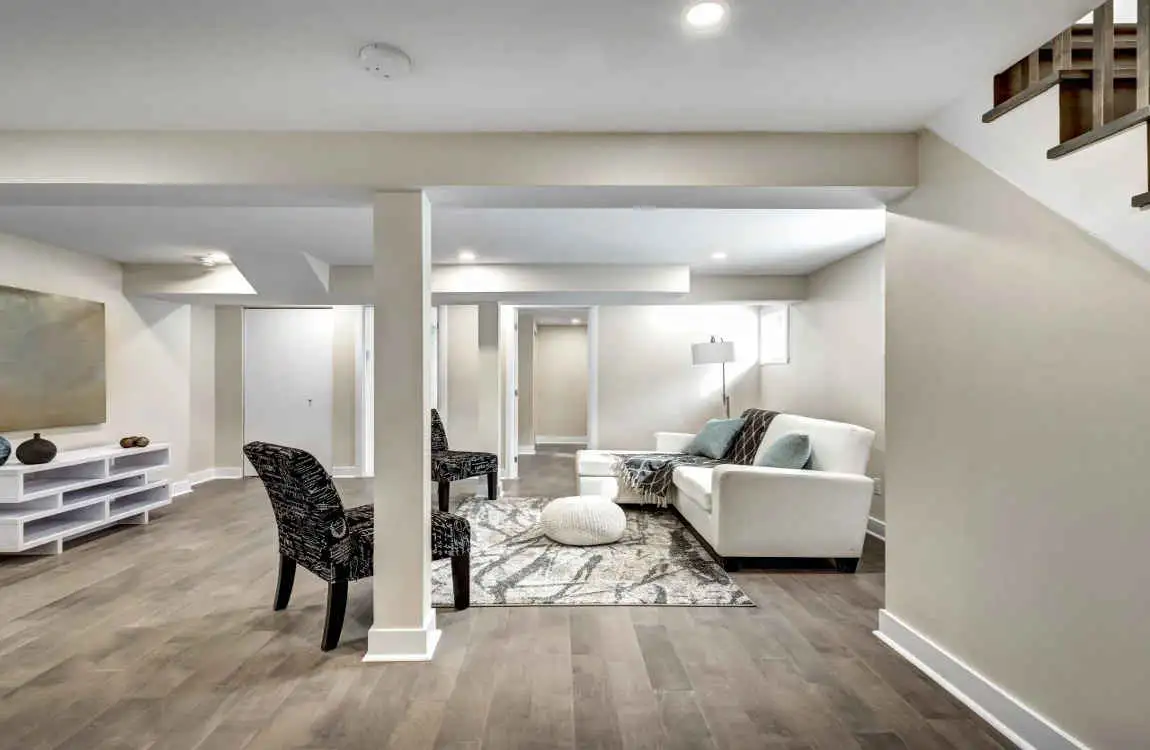
Choosing the right basement flooring boils down to a few important questions:
Assess Your Basement’s Moisture Level
Test the concrete slab’s moisture content with a moisture meter. Anything above 3% signals you need a fully waterproof floor and possibly a vapor barrier.
Step 2: Define Your Basement’s Use
- Storage or workshop? Durability and chemical resistance (epoxy) matter more.
- Living space or playroom? Comfort and warmth (cork, LVP) take priority.
- Home gym? Rubber flooring or foam tiles are ideal.
Set Your Budget
Consider materials, installation, and extras like underlayment or floor heating. Labor costs can sometimes double the material price.
Pro Tips:
- Never skip a vapor barrier in damp basements.
- Hire professionals if you’re unsure about subfloor prep.
- Check for local suppliers to save on shipping and get regional expertise.
Common Mistakes to Avoid
- Installing hardwood or laminate without waterproofing.
- Ignoring subfloor moisture tests.
- Skipping grout sealing on tile floors.
FAQs
Q: What kind of flooring is best for basements with moisture?
A: Fully waterproof options like luxury vinyl plank, Tile, epoxy, or rubber are best.
Q: Is laminate okay for basements?
A: No. Laminate isn’t waterproof and will swell or warp when exposed to moisture.
Q: Can I install basement flooring myself?
A: Some options like LVP and epoxy can be DIY, but tiles or polished concrete usually require pros.
Q: How do I prevent mold under basement floors?
A: Use vapor barriers, proper sealing, and ensure good ventilation.
Q: What’s the cheapest waterproof basement flooring?
A: Epoxy resin coatings and interlocking foam tiles are budget-friendly.
Q: Can I use carpet in my basement?
A: It’s not recommended due to moisture issues and mold risk.
Q: How often should I reseal tile grout?
A: Typically, once a year to maintain waterproofing.