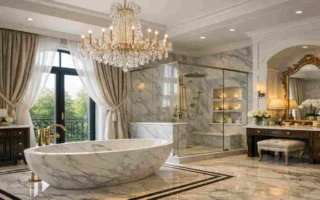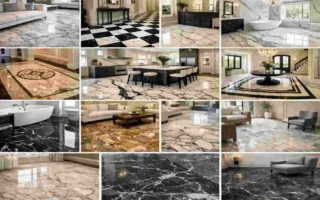
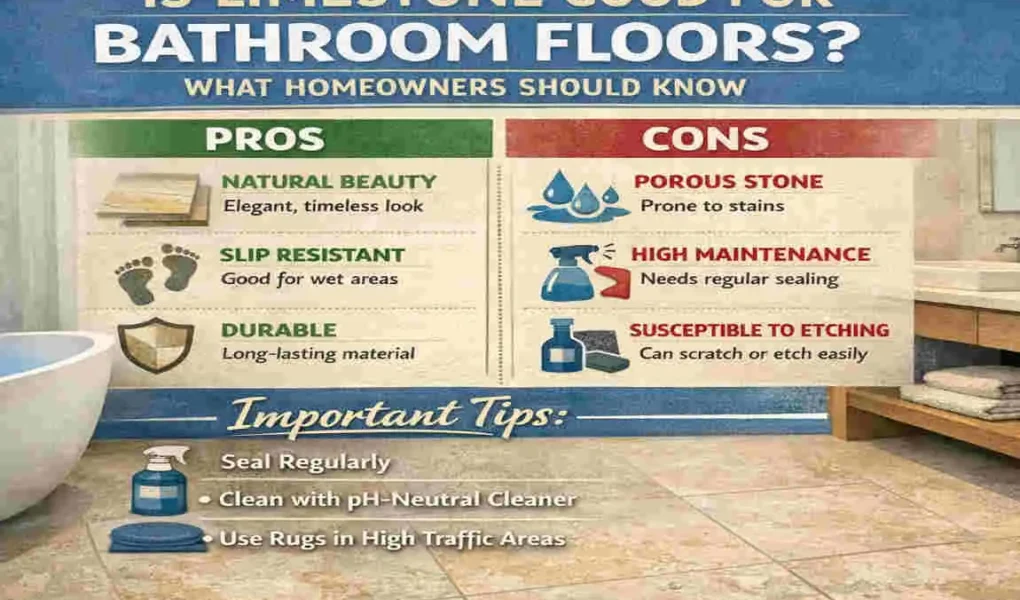
Limestone brings softness, beauty, and a timeless natural look that many homeowners love. At the same time, it also needs the right sealing, proper installation, and regular care if you want it to perform well in a wet room.
In other words, limestone is not a “set it and forget it” floor. It is more of a carefully chosen, well-maintained luxury surface. That is exactly why it works so well for some bathrooms and feels like too much work for others.
| Aspect | Pros | Cons |
|---|---|---|
| Durability | Highly resistant to wear, bacteria, and mold when sealed | Can chip, scratch, or etch from acids; limited in high-traffic spots |
| Moisture Handling | Repels water and suits wet areas like showers | Porous without sealing; needs regular resealing every 1-3 years |
| Safety | Naturally slip-resistant surface | Heavy during install, risking cracks |
| Maintenance | Easy to clean with stone-safe products | Moderate effort; avoid harsh chemicals |
| Cost & Style | Boosts resale value with timeless, spa-like look | Costlier than porcelain; shows dirt on light colors |
What Is Limestone Flooring?
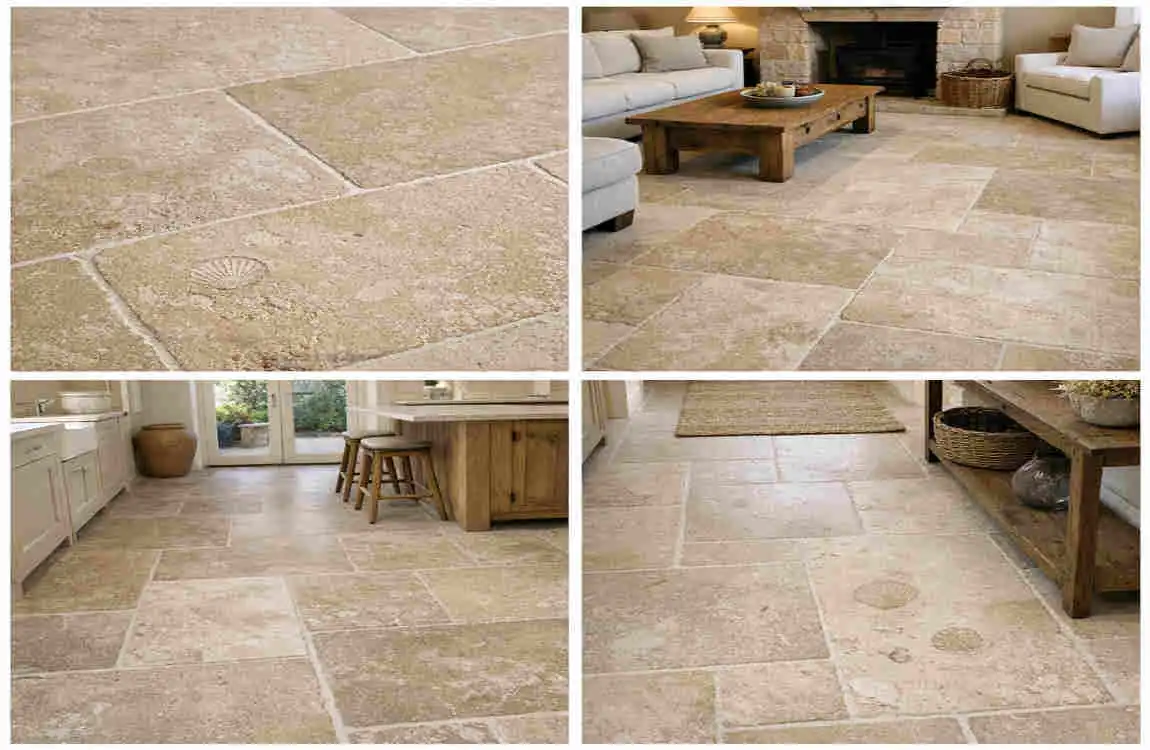
Limestone is a natural stone made over a very long time from compressed marine material, shell fragments, and other minerals. That means every tile has a slightly different look. Some pieces are light and creamy. Others have soft beige, grey, or sandy tones. That natural variation is one reason people love it.
When used in a bathroom, limestone creates a softer and more organic feel than many artificial tiles. It does not look sharp or overly glossy. Instead, it brings a calm, grounded feel that many homeowners describe as warm, spa-like, and elegant.
If you are trying to answer is limestone good for bathroom floors, the first thing to understand is that limestone is not just a decorative material. It is a real stone with real strengths and real limits. That is why finish, thickness, sealing, and maintenance all matter.
How limestone is formed
Limestone starts as sedimentary rock. Over time, layers of mineral-rich deposits build up and harden. Because of that natural origin, limestone usually has a softer texture and a more muted color palette than some other stones.
That softer look is one of the biggest reasons it works so well in bathrooms. It feels peaceful. It feels natural. And it does not fight with the rest of the room.
Common finishes for bathroom use
Not every limestone floor looks the same. The finish changes both the appearance and the practical use.
- Polished limestone has a smoother, shinier surface. It can look beautiful, but it may be less forgiving when wet.
- Honed limestone has a matte finish. It usually gives better traction and feels more natural underfoot.
- Tumbled limestone has a worn, aged look with softer edges. It can add character but may collect dirt in the texture.
For most bathrooms, honed limestone is often the safer and more practical choice because it tends to offer better slip resistance.
Why homeowners love the look
A lot of people choose limestone because they are tired of bathrooms that feel cold or sterile. Ceramic and porcelain can be clean and smart, but limestone adds a different mood. It brings warmth, depth, and a quiet kind of luxury.
If your goal is a bathroom that feels like a retreat, limestone can help you get there.
Image placeholder:
Is Limestone Good for Bathroom Floors? The Short Answer
Yes, is limestone good for bathroom floors is a fair question with a positive answer—if the stone is sealed, installed properly, and maintained consistently.
That is the key. Limestone can work very well in bathrooms, but it is not the best choice for every household. It suits people who value natural beauty, are comfortable with routine care, and want a floor that feels premium rather than purely utilitarian.
If you are the kind of homeowner who wants the lowest-maintenance option possible, limestone may feel like too much work. If you want a floor that looks rich, warm, and unique, it may be exactly right.
The best way to think about it is this:
- Limestone is good for bathroom floors when style and comfort matter a lot.
- It is less ideal when you want maximum convenience and minimal upkeep.
That balance is what makes limestone such an interesting choice.
Pros of Limestone Bathroom Floors
There are several strong reasons why homeowners keep coming back to limestone. If you are still asking is limestone good for bathroom floors, the advantages below will help you judge whether it fits your home and lifestyle.
It creates a warm, natural look
One of limestone’s biggest strengths is its appearance. It is soft, calm, and organic. That makes it a great fit for bathrooms because bathrooms often need a relaxing mood.
A limestone floor can make a room feel more like a spa than a utility space. That matters more than people think. You see the floor every day. If it feels cold or harsh, the whole room can feel less inviting.
Limestone also pairs beautifully with:
- white sanitaryware
- brushed brass fittings
- wood vanities
- neutral paint colors
- soft lighting
This makes it easy to build a calm and elegant bathroom without trying too hard.
It can offer good slip resistance
For a bathroom floor, slip resistance matters a lot. Wet feet and glossy surfaces are not a great mix.
A honed limestone finish usually gives a better grip than shiny polished stone or slippery ceramic. The surface has a slightly softer feel, which can make it a safer option in a bathroom, especially in family homes or shower areas.
That said, no natural stone is magically slip-proof. You still need the right finish, the right sealer, and sensible cleaning habits. But compared with some high-gloss surfaces, limestone can be a more comfortable and safer-feeling choice.
It works well with underfloor heating
Many homeowners love limestone because it feels great with underfloor heating. Stone can hold and release warmth well, which means the bathroom floor can feel cozy instead of cold.
This is a big practical benefit, especially in cooler climates. Few things make a bathroom feel more luxurious than stepping onto a warm stone floor on a winter morning.
If comfort is high on your list, this is one more reason limestone deserves your attention.
It can add value through timeless style
Trends come and go. Some bathroom finishes look dated after only a few years. Limestone usually does not have that problem.
It has a timeless quality that makes it feel elegant rather than trendy. Buyers often appreciate that. If you are thinking about resale value, a well-finished natural stone bathroom can leave a strong impression.
That does not mean limestone automatically guarantees a higher sale price. But it can help a bathroom look more polished, more expensive, and more carefully designed.
It is a natural material
Some people prefer natural materials over manufactured ones. Limestone can be a more appealing choice if you want a bathroom that feels grounded and less synthetic.
It is a real stone, not a printed surface trying to imitate one. That matters to many homeowners who value authenticity, texture, and a less processed look.
For people who care about the environmental side of home design, limestone is a more natural and durable material choice compared with some artificial alternatives.
It can work in many design styles
Limestone is flexible. It can look beautiful in:
- modern bathrooms
- rustic bathrooms
- classic bathrooms
- Mediterranean-inspired spaces
- spa-style wet rooms
That versatility is a major benefit. You can keep it simple or dress it up with strong finishes and decorative pieces. Either way, limestone usually feels at home.
It creates a quieter visual effect
Some floors are busy. Some have bold patterns or strong color variation. Limestone is usually more subtle.
That subtle look can be a big advantage in bathrooms. It allows other features to stand out, like statement taps, mirrors, lighting, or a beautiful vanity unit. The floor supports the design instead of overpowering it.
Limestone vs. alternatives at a glance
Feature Limestone Porcelain Marble Ceramic
Slip resistance High when honed Medium to high Medium Medium
Moisture resistance Good when sealed Excellent Good but sensitive Good
Maintenance Moderate Low High Low to moderate
Natural look Very high Medium Very high Low to medium
Warmth underfoot Good Good Good Moderate
Typical style feel Spa-like, organic Clean, modern Luxury, classic Practical, simple
Image placeholder:
Cons and Challenges of Limestone Bathroom Floors
Now let’s be honest. Limestone is beautiful, but it is not perfect. If you are still asking is limestone good for bathroom floors, you also need to understand the downsides.
Limestone is porous
This is probably the biggest issue. Limestone can absorb water, soap residue, oils, and colored spills if it is not sealed properly.
In a bathroom, that matters a lot because moisture is always present. Steam from showers, splashes around the sink, and damp towels can all create conditions where stains and marks may appear.
Without sealing, limestone can become harder to maintain and more likely to develop dull spots or discoloration.
It is softer than porcelain
Limestone is a natural stone, but it is not one of the hardest floor materials. It can scratch more easily than porcelain and may show wear sooner in a busy household.
That does not mean it is fragile. It simply means you should not treat it like an indestructible floor. Heavy furniture, grit under shoes, and harsh cleaning tools can all leave marks over time.
If you have children, pets, or a very active household, this is worth thinking about carefully.
Acidic cleaners can damage it
This is another common problem. Many people clean bathrooms with products that are too strong for limestone.
Acid-based cleaners can etch the surface, which means they may leave dull patches or visible marks. Even some household products that seem harmless can be too aggressive.
That is why limestone needs gentle cleaning products and a bit more attention than standard tile.
It needs regular sealing
This is not a one-time job. A limestone bathroom floor usually needs resealing on a schedule, especially in a room with heavy use or high humidity.
If you are not prepared to do that, limestone may become frustrating. Sealing helps protect the stone from moisture and staining, but it is only effective if you keep up with it.
It may cost more than simpler options
Limestone can be more expensive than basic ceramic or many standard porcelain tiles. The stone itself can cost more, and professional installation can also raise the total project price.
If you are working with a tight budget, limestone may be harder to justify unless the design impact is very important to you.
It can chip or show wear
Like most natural stone floors, limestone can chip if something heavy is dropped on it. It can also show traffic patterns over time, especially in darker or more uniform finishes where dirt and marks stand out more clearly.
That means it may not stay looking “perfect” forever, even if you care for it properly. Some homeowners like this natural aging. Others prefer a floor that hides wear better.
It is not ideal for everyone
This is the simple truth. Some families want a beautiful floor and are happy to maintain it. Others want zero stress.
If you are the second type, limestone may not be the best match. The answer to is limestone good for bathroom floors depends not only on the stone, but on your daily habits and expectations.
The main challenges to remember
- Porosity can lead to stains if you skip sealing.
- Softness can lead to scratches and wear.
- Maintenance is more involved than with porcelain.
- Cleaning must stay gentle.
- Cost can be higher upfront.
Image placeholder:
Limestone Tile Durability in Bathrooms
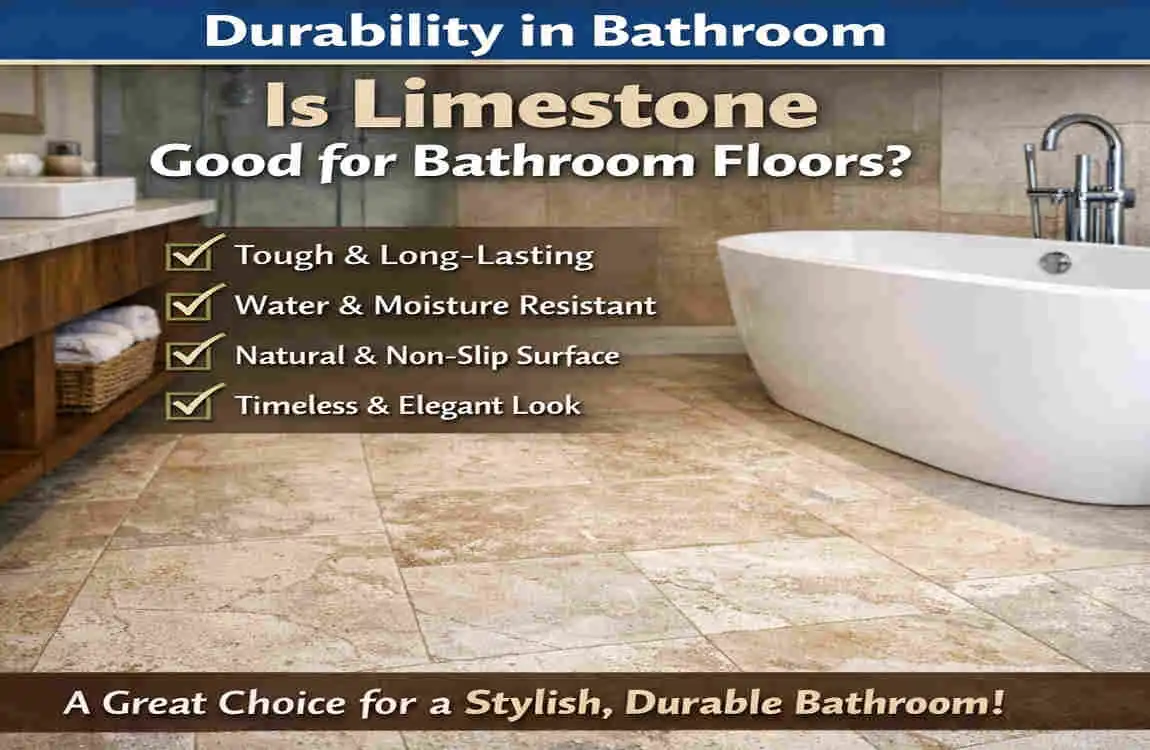
Durability is one of the biggest concerns homeowners have. That makes sense. A bathroom floor has to deal with water, humidity, foot traffic, dropped items, and constant cleaning.
So, how durable is limestone in real bathroom use?
The answer is: it can be durable enough for bathroom floors if it is chosen and cared for properly.
How limestone performs in moisture
Limestone can perform well in humid environments, but only when it is sealed and installed correctly. Sealing helps slow down moisture absorption, which is essential in bathrooms where the floor is never truly dry all the time.
This is why the installation method matters so much. A beautiful stone can still fail if water gets under the tiles or if the wrong adhesive is used.
What affects limestone’s lifespan?
Several things determine how long limestone will last in a bathroom:
Subfloor preparation
The floor underneath the stone must be level, stable, and dry. If it is not, the limestone may crack, shift, or develop loose spots over time.
Quality of installation
Good installation makes a huge difference. A professional who understands stone flooring will know how to use the right adhesive, grout, and spacing.
Sealing routine
A well-sealed limestone floor is far more resistant to bathroom conditions than an unsealed one. If sealing lapses, durability can drop quickly.
Cleaning habits
Harsh cleaners shorten the life of the surface. Gentle products help the floor stay sound for longer.
Household traffic
A guest bathroom that gets light use will usually hold up better than a busy family bathroom used by several people every day.
Can limestone last for many years?
Yes. In many homes, limestone bathroom floors can look good for years, even over a decade, when properly cared for. That is one reason so many homeowners still choose it.
But durability does not mean freedom from maintenance. Limestone lasts when the homeowner gives it the right attention.
That is the real trade-off.
Is limestone strong enough for everyday use?
For many homes, yes. It can be perfectly suitable for ordinary bathroom use. It is especially appealing in homes where style and comfort are just as important as low maintenance.
If you want a floor that can handle moisture but still feels more natural and elegant than standard tile, limestone can be a strong contender.
Installation Guide for Limestone Bathroom Floors
If you want limestone to work well in a bathroom, installation matters as much as the stone itself. In fact, poor installation can ruin a good product.
This is one of the most important parts of answering is limestone good for bathroom floors, because the answer depends heavily on how the floor is built.
Prepare the subfloor
The subfloor must be clean, level, and structurally sound. Any unevenness can cause stone tiles to crack or sit improperly.
A bathroom floor also needs good waterproofing. That means the area should be designed to resist moisture from below and above.
Use the right adhesive
Stone flooring should be fixed with an adhesive that is suitable for natural stone. This helps reduce movement and supports long-term performance.
A weak or wrong adhesive can lead to loose tiles or uneven surfaces later on.
Choose the right grout
In bathrooms, grout choice matters more than many people think. A water-resistant grout, such as epoxy grout, can help reduce moisture issues and make cleaning easier.
It can also help reduce staining, which is especially useful in a bathroom where the floor will see frequent use.
Seal the stone properly
Sealing should happen after installation and then continue as part of regular maintenance. The sealer creates a protective layer that helps slow down water and dirt absorption.
This is one of the most important steps. Skipping it is a fast way to turn a beautiful bathroom floor into a problem.
Hire a professional if possible
Could a skilled DIYer install limestone? Possibly.
Should most homeowners do it themselves? Probably not.
Bathrooms are not the best place to gamble with natural stone. Small mistakes can lead to expensive repairs. If you want the floor to last, hiring a pro is often the safer choice.
Why professional installation is worth it
A professional installer can help with:
- subfloor leveling
- waterproofing
- tile layout
- stone cutting
- proper spacing
- grout selection
- sealing advice
That kind of experience can save you from costly errors later.
Installation checklist
Before the floor goes in, make sure you have:
- A level subfloor
- The right waterproofing layers
- Stone-safe adhesive
- Suitable grout
- A sealing plan
- A qualified installer if you are not sure about DIY
Image placeholder:
Maintenance Tips for Limestone Bathroom Floors
If you choose limestone, maintenance becomes part of the deal. The good news is that it is manageable if you stay consistent.
Daily and weekly care
For everyday cleaning, use a mild, pH-neutral cleaner and warm water. Avoid anything too acidic or too harsh.
That means no aggressive bathroom cleaners, no vinegar, and no bleach-heavy habits unless a product is specifically approved for natural stone.
A soft mop or microfiber cloth is often enough for routine cleaning.
Keep water under control
Bathrooms are wet by nature, but standing water should not sit on the floor for long periods. Wipe up puddles when you can, especially near the sink, tub, and shower.
Good ventilation also helps. If your bathroom traps humidity, the stone may face more stress over time.
Seal on schedule
Most limestone bathroom floors need resealing every 1 to 2 years, though the exact timing depends on the product, usage, and moisture exposure.
A simple water-drop test can help you judge whether the surface still repels moisture well. If water soaks in quickly, it is time to reseal.
Prevent stains before they happen
This is easier than trying to remove them later.
Try to:
- clean spills quickly
- avoid leaving wet bath mats on the stone too long
- use trays under toiletries that might drip
- keep harsh cleaners away from the floor
- place soft pads under furniture or accessories
Deal with stains carefully
If you do get a stain, do not scrub with an abrasive pad right away. That can make the problem worse.
Use a stone-safe cleaner and follow the sealer or installer’s advice. If the stain is stubborn, you may need professional help rather than a random strong cleaner.
Prevent mold and mildew
Good ventilation is your best friend here. Run the extractor fan, open windows when possible, and keep the room dry between uses.
Limestone itself is not mold-proof, but good airflow and cleaning habits go a long way.
Image placeholder:
Limestone vs. Other Bathroom Floor Options
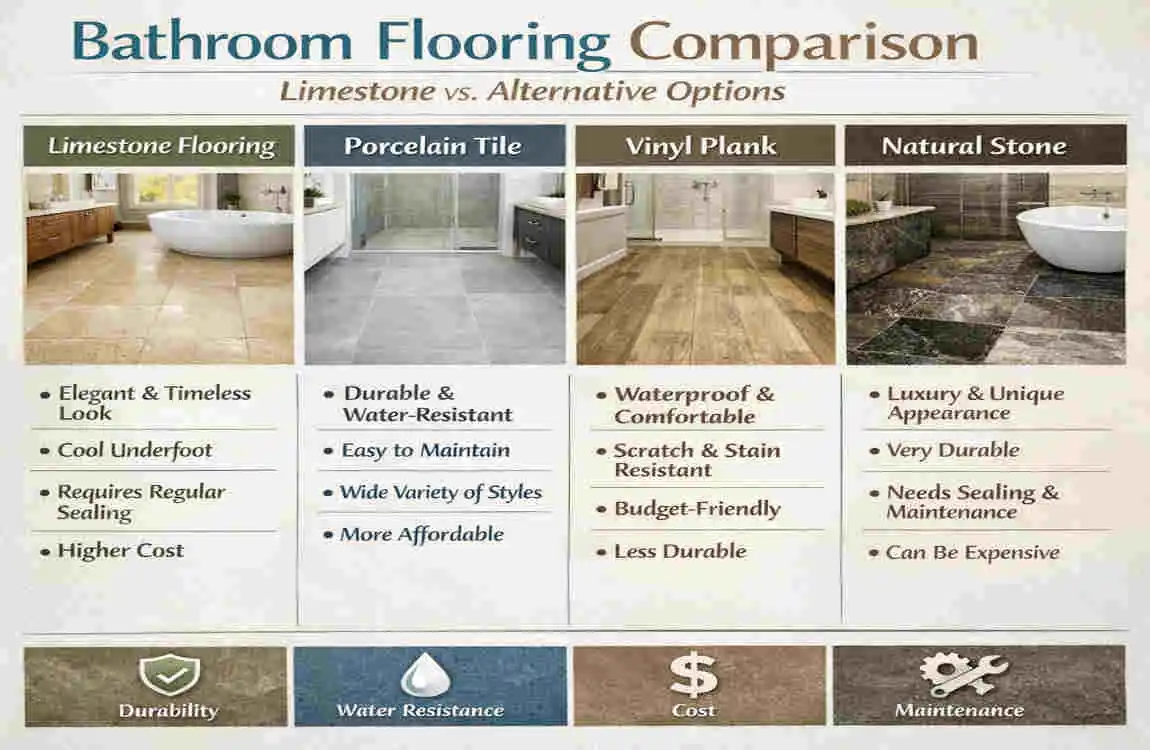
When people ask is limestone good for bathroom floors, they usually want to know whether it is better than the other options on the market. That is a fair question.
Limestone vs. porcelain
This is the most common comparison.
Porcelain is usually easier to maintain. It does not need sealing in the same way limestone does, and it tends to resist moisture very well.
Limestone, on the other hand, offers a warmer, more natural look. It usually feels more luxurious and less factory-made.
If you want the easiest option, porcelain wins. If you want the more natural and elegant one, limestone may be better.
Limestone vs. marble
These two are often compared because they both look premium.
Marble has a more dramatic and classic appearance, but it is often more sensitive to stains and etching. Limestone usually offers a softer look and can feel a little more forgiving in some bathroom settings.
Neither one is “low-maintenance,” but limestone often feels more relaxed and less formal than marble.
Limestone vs. ceramic
Ceramic is practical, affordable, and widely available. It can work well in bathrooms and is easier to live with than natural stone.
But ceramic does not usually have the same depth, texture, or warmth as limestone. If budget and simplicity matter most, ceramic is a strong choice. If atmosphere matters more, limestone has the edge.
Which one is best?
That depends on your priorities.
- Choose porcelain if you want low upkeep.
- Choose limestone if you want natural beauty and a softer, richer look.
- Choose marble if you want classic luxury and are willing to care for it.
- Choose ceramic if you want practicality at a lower price point.
There is no single winner for every home. The best tile is the one that fits your life, not just your eyes.
Cost Analysis: What Does Limestone Really Cost?
Cost matters, especially when bathroom remodels already come with plumbing, labor, fixtures, and waterproofing.
Limestone usually sits in the mid-to-premium range. The stone itself may not always be the most expensive material on the market, but the combination of material cost, professional installation, sealing, and upkeep can add up.
What affects the price?
Several factors influence the final cost:
- tile grade and finish
- tile size and thickness
- installation complexity
- subfloor repairs
- waterproofing needs
- sealing products
- labor costs in your area
Is it worth the money?
For the right homeowner, yes. A limestone floor can elevate the whole room and create a high-end look that lasts for years.
If you compare it only on upfront price, it may seem more expensive than standard tile. But if you compare it on style impact and long-term enjoyment, many people see it as money well spent.
Long-term value
A well-designed bathroom can improve a home’s overall appeal. Limestone helps create that polished, premium feeling.
That said, the value only holds if the stone is properly cared for. A neglected limestone floor can lose its charm fast.
So the real question is not just is limestone good for bathroom floors, but also are you prepared to maintain the value it brings?
Expert Advice for Homeowners Considering Limestone
If you are still deciding, here is the most practical advice: choose limestone only if you are happy to protect it.
That means choosing the right finish, sealing it properly, cleaning it gently, and accepting that it needs more care than porcelain.
A good rule of thumb is this:
- If you want beauty first, limestone is a strong choice.
- If you want convenience first, porcelain may be the better fit.
A flooring expert would say that sealed limestone can perform very well in bathrooms when the installation is done properly and the homeowner keeps up with maintenance.
That is the heart of the matter. Limestone does not fail because it is a bad material. It usually fails because the wrong finish was chosen, the sealing was skipped, or the cleaning routine was too harsh.
If you respect the material, it can reward you with a floor that feels warm, natural, and timeless.
FAQs
Is limestone good for bathroom floors in humid areas?
Yes, is limestone good for bathroom floors in humid areas can be answered with a cautious yes. It can work well if it is properly sealed and ventilated. In very humid bathrooms, maintenance becomes even more important.
How often should limestone bathroom floors be resealed?
Most limestone bathroom floors should be resealed about every 1 to 2 years, but the exact timing depends on use, moisture, and the sealer type. If water starts soaking in quickly, that is a sign it may need attention sooner.
Does limestone scratch easily?
Limestone is softer than porcelain so that it can scratch more easily than harder flooring materials. You should avoid abrasive tools, gritty shoes, and harsh cleaners if you want to keep the surface looking good.
What is the best finish for a limestone bathroom floor?
A honed finish is usually the best choice for bathrooms because it looks natural and often provides better slip resistance than polished stone.
What is a good alternative if I want the limestone look but less maintenance?
A porcelain limestone-effect tile is often the best alternative. It gives you a similar visual style with far less upkeep.
Can limestone be used in a shower room or wet room?
Yes, but only with proper sealing, waterproofing, and installation. Wet rooms demand extra care, so the details matter even more there.