DIYer is perched on a ladder, struggling to cut shingles with a dull knife while balancing a heavy toolbox. Meanwhile, a pro roofer finishes the same job quickly, confidently switching between specialized tools designed for efficiency and safety. The difference? The pro uses the best roofing tool for every task.
Why does the right tool matter so much? For starters, poor installation causes nearly 40% of home leaks, leading to costly repairs and headaches. Using the correct tools directly impacts the quality of your roofing job, helping avoid these common pitfalls.
When selecting roofing tools in 2026, look for durability, versatility, and user-friendly designs. Consider highly rated products (4.8+ stars on Amazon) and innovations like cordless technology that simplify your work.
Why Choose the Right Roofing Tools?
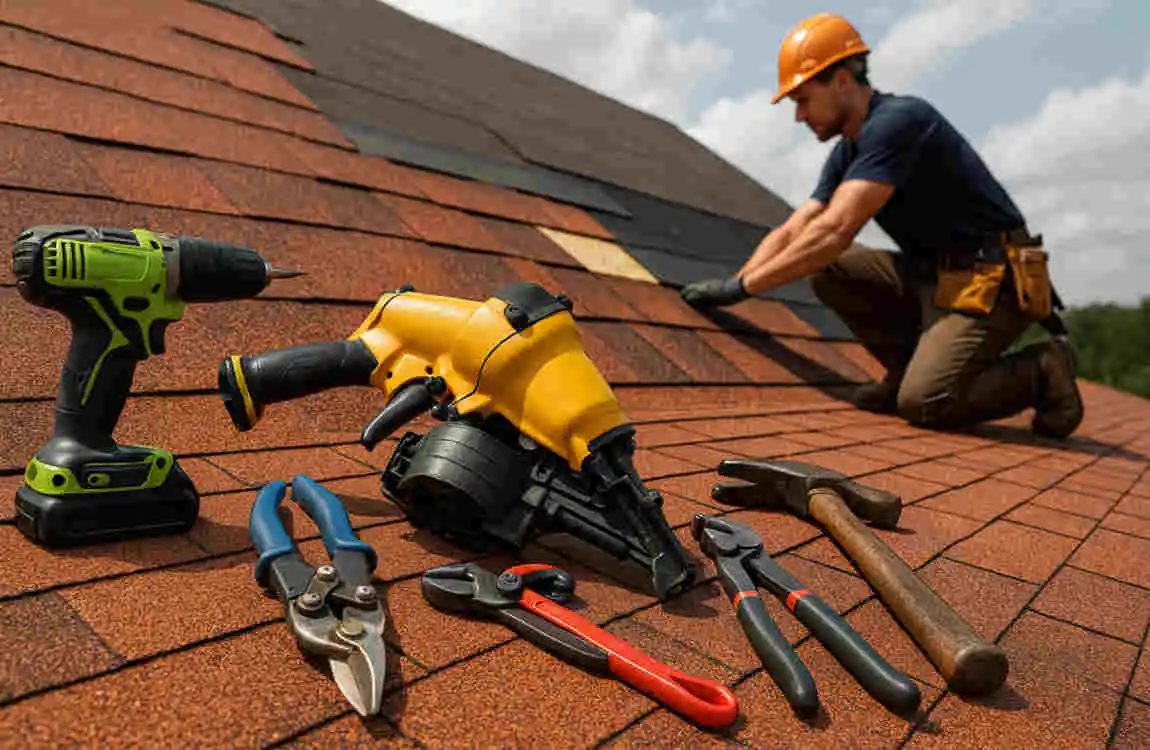
Using subpar or inappropriate roofing tools can lead to serious risks and setbacks. Here’s why investing in the top roofing tools for safety and efficiency is essential:
- Injury Risks: Slipping on a roof or handling unsafe tools are common causes of accidents. Falls due to unstable or poorly chosen equipment are common.
- Rework Costs: Mistakes from using the wrong tools add up. Re-doing parts of a roof can consume up to 20% of your project budget.
- Installation Failures: In areas like Punjab, where monsoons are intense, improper use of tools can lead to shingle blow-offs and leaks.
Key Essentials to Look For
- Ergonomics: Roofing often means long hours. Tools designed for comfort reduce fatigue.
- Weather Resistance: Lahore’s heat and humidity demand tools that won’t rust or degrade quickly.
- Multi-Use Capability: For small businesses or homeowners, tools that serve multiple functions save money and space.
Here’s a quick table to show the benefits for pros and DIYers:
Factor Pro Benefit DIY Benefit
Durability lasts 5+ years on jobsites. Fewer replacements needed
Weight: Lightweight for all-day use. Easier ladder handling
Price Range $20–$200 ROI via increased speed Under $100 starter kits
Choosing the best roofing tool for beginners means balancing cost with quality to ensure a safe and productive experience.
Top 12 Best Roofing Tools
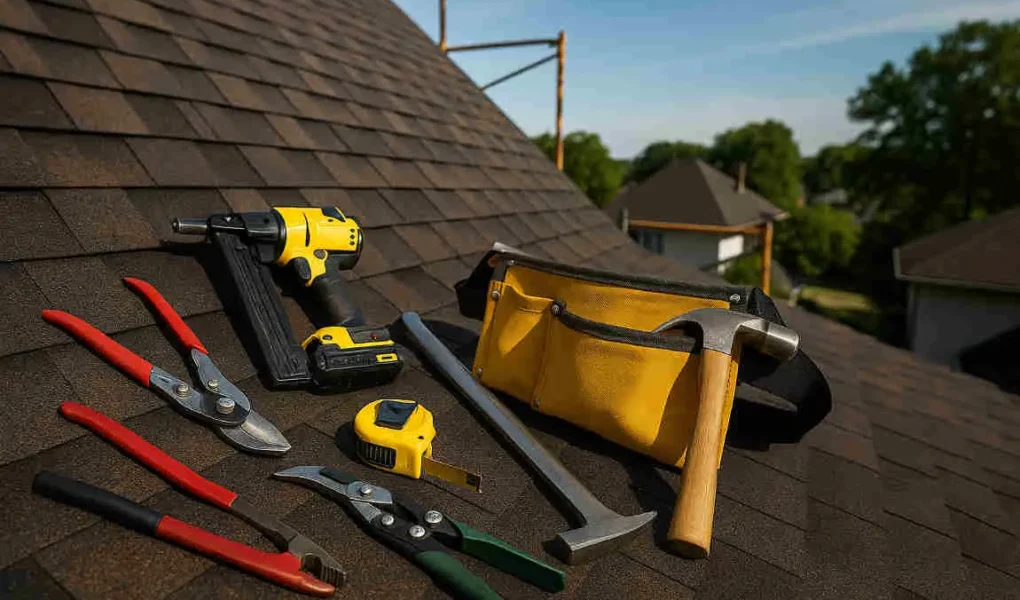
Choosing the right tool can feel overwhelming, so let’s break down the top roofing tools one by one. Each is essential for a specific task, whether you’re installing shingles, cutting metal, or safely moving around your roof.
Roofing Hammer/Hatchet
Features
The roofing hammer, often called a roofing hatchet, is the ultimate best roofing tool for shingle work. Its magnetized head holds nails in place, allowing for one-handed nailing. The sharp blade edge cuts asphalt shingles cleanly.
Pros/DIY Fit
Professionals appreciate adjustable gauges on some precision models. DIYers get the accuracy they need without a nail gun. It’s versatile and simple to use.
Price/Brands
Top pick: Estwing E3-22S, priced between $40 and $60 and known for durability and balance.
Tips
Keep the hammer head clean for better magnetism. Practice nail placement on scrap shingles before starting.
Pneumatic Nail Gun
Features
Cordless pneumatic nail guns like the Bostitch N62FNK can drive up to 300 nails per hour, making them the best roofing tool for speed and efficiency.
Pros/DIY Fit
Depth control prevents nails from going too deep or popping out. Pros love the speed, while DIYers can rent models for about $50/day to try before buying.
Price/Brands
Bostitch is a leading brand, with cordless models priced around $180.
Tips
Always wear eye protection and check air pressure settings to avoid overdriving nails.
Utility Knife with Hook Blades
Features
A sharp utility knife with hook blades is essential for cleanly cutting shingles and underlayment. The hook blade design prevents slips and increases safety.
Pros/DIY Fit
Replaceable blades save time and money. Milwaukee Fastback is a popular model at a $15 price point.
Price/Brands
Milwaukee Fastback is affordable and highly rated.
Tips
Change blades frequently to maintain clean cuts and avoid tearing shingles.
Metal Snips/Aviation Snips
Features
These snips handle flashing and metal roofing materials with precision. They come in left-, right-, and straight-cutting variants.
Pros/DIY Fit
Malco Turbo Combo snips are great for curves and straight cuts, making them the best roofing tool for metal work.
Price/Brands
Priced around $30, these snips offer professional quality for pros and DIYers alike.
Tips
Use gloves to protect your hands from sharp metal edges while cutting.
Roofing Pry Bar/Shingle Ripper
Features
This tool is designed to tear off old roofing layers quickly and remove nails. Its flat bar design reduces strain on your back.
Pros/DIY Fit
Won derbar is lightweight and sturdy, perfect for both pros and DIYers.
Price/Brands
Around $20, great value for demolition work.
Tips
Use proper lifting techniques to avoid back injuries.
Chalk Line Reel
Features
A chalk line reel marks straight lines for shingle alignment, ensuring neat and uniform rows.
Pros/DIY Fit
The Irwin Speedline holds 100 feet of chalk line and costs about $10.
Price/Brands
Affordable and essential for accuracy.
Tips
Keep the line taut when snapping to get crisp marks.
Roofing Knife
Features
A roofing knife is specialized for precise shingle trimming and detailed cuts.
Pros/DIY Fit
Lenox Gold models offer sharp blades at around $25, ideal for clean edges.
Price/Brands
Good balance of cost and performance.
Tips
Store safely to maintain blade sharpness.
Roof Bracket Scaffolding
Features
These brackets support planks across rafters, creating safe walking platforms.
Pros/DIY Fit
DIYers find sets for roughly $40 indispensable for safety.
Price/Brands
Affordable, enhances jobsite safety.
Tips
Secure brackets tightly to rafters before climbing.
Cordless Circular Saw
Features
Used to cut metal or wood roofing components, cordless saws offer mobility and power.
Pros/DIY Fit
De Walt 20V models are favorites among pros, priced near $150.
Price/Brands
High-quality and durable.
Tips
Use appropriate blades for the material to avoid damage.
Seam Roller
Features
A seam roller presses shingles flat and prevents wind lifts.
Pros/DIY Fit
Basic rubber models are inexpensive (~$15) and easy to use.
Price/Brands
Simple but effective.
Tips
Roll evenly along seams for best adhesion.
Safety Harness/Lanyard
Features
Fall protection gear is a must-have for every roofer, ensuring safety on slopes and heights.
Pros/DIY Fit
Kits cost about $50 and are essential for preventing serious injury.
Price/Brands
Investing in safety pays off.
Tips
Inspect harnesses before each use.
Magnetic Sweeper
Features
This tool collects stray nails and other metal debris after work, preventing punctures and injuries.
Pros/DIY Fit
Garbagator models cost around $30 and greatly simplify cleanup.
Price/Brands
Highly recommended for jobsite safety.
Tips
Sweep the entire work area before descending.
Comparison Table: Pro Picks vs. Budget Alternatives
Here’s a quick overview comparing the top three tools favored by pros with budget-friendly options for DIYers:
Tool Best Pro Pick Price DIY Alternative Rating
Roofing Hammer Estwing $50 Stanley 4.8
Nail Gun Bostitch $180 Manual Hammer 4.9
Metal Snips Malco $35 Generic Snips 4.7
This table helps you balance your budget while maintaining quality.
Tool Maintenance & Safety Tips
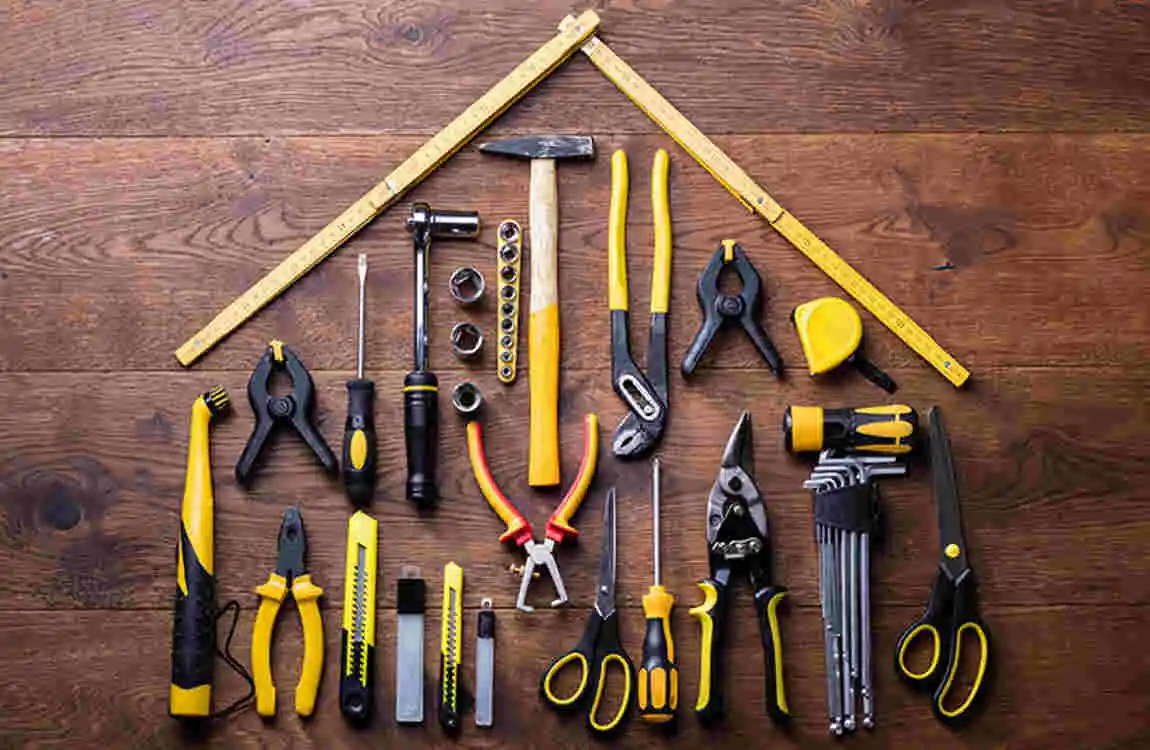
Proper care keeps your best roofing tools in top shape and ensures safety.
Cleaning
Wipe blades with oil weekly to prevent rust and dullness. Clean nail guns regularly to avoid jams.
Storage
Keep tools in dry, ventilated cases to extend lifespan.
Safety Gear
Always wear gloves and goggles when working to protect your hands and eyes.
Pros vs. DIY: Tool Kit Differences
Here’s a simple look at how the toolkits differ:
Aspect Pros DIY Kit
Tool Type: Powered tools & specialized gear, Basic manual tools
Budget $500+ Under $300
Efficiency High-speed, large projects Small-scale, occasional use
FAQs
Q: What’s the best roofing tool for beginners?
A: The roofing hammer is perfect for beginners due to its versatility and ease of use.
Q: Can I rent a nail gun instead of buying?
A: Yes! Renting is cost-effective for occasional projects and lets you try before you buy.
Q: How often should I replace utility knife blades?
A: Replace blades frequently to ensure clean cuts and avoid damaging shingles.
Q: Is a safety harness necessary for DIY projects?
A: Absolutely. Fall protection is crucial regardless of your experience level.
Q: What tool helps clean up nails after roofing?
A: A magnetic sweeper quickly and safely picks up metal debris from your jobsite.